What Is Drug Addiction?
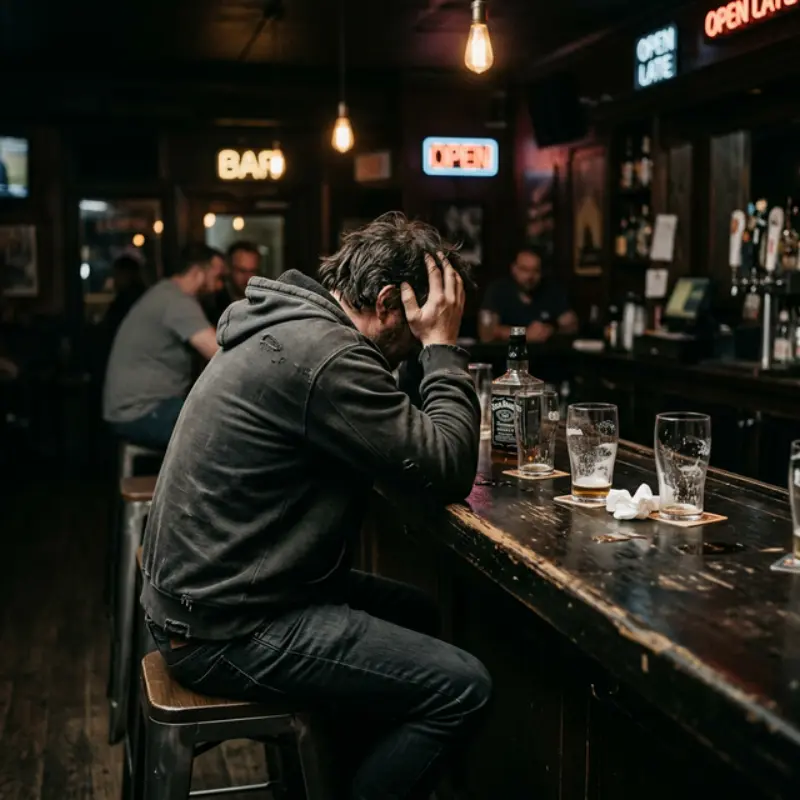
Drug addiction — clinically known as substance use disorder (SUD) — is a chronic, relapsing brain disease characterized by compulsive drug seeking and use despite harmful consequences. The American Society of Addiction Medicine (ASAM) defines addiction as a treatable, chronic medical disease involving complex interactions among brain circuits, genetics, the environment, and an individual's life experiences.
Addiction fundamentally changes how the brain processes reward, motivation, memory, and self-control. According to the 2021 National Survey on Drug Use and Health, approximately 46.3 million Americans aged 12 or older met the criteria for a substance use disorder — yet only 6.3% received treatment.
How Addiction Develops
Addiction typically progresses through stages:
- Experimentation — voluntary first use, often driven by curiosity, peer pressure, or stress relief
- Regular use — establishing a pattern of use in specific situations (social, stress, boredom)
- Risky use — negative consequences begin (health, relationships, legal) but use continues
- Dependence — the body adapts, requiring the drug to feel normal; withdrawal symptoms emerge
- Addiction — compulsive use despite devastating consequences; loss of control over use
Not everyone who experiments with drugs progresses to addiction. Genetic vulnerability, mental health, age of first use, and the specific substance all influence the trajectory.
The Brain Science of Addiction
Drugs of abuse hijack the brain's reward circuit (mesolimbic dopamine system), producing dopamine surges far beyond what natural rewards generate:
- Natural rewards (food, exercise, social bonding) release ~100 units of dopamine
- Cocaine releases ~350 units
- Methamphetamine releases ~1,250 units
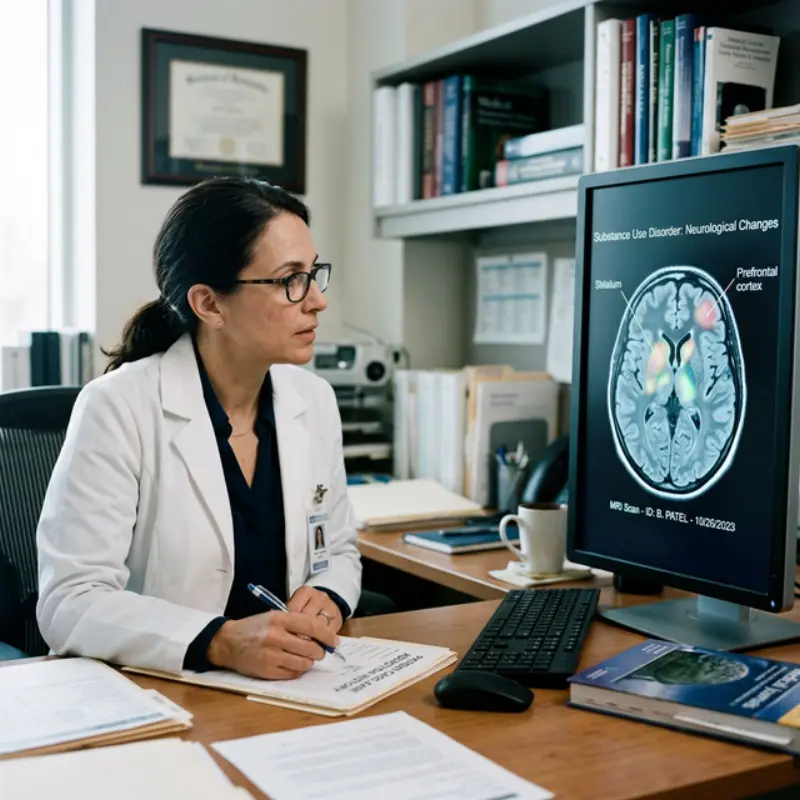
Over time, the brain adapts by downregulating dopamine receptors and reducing natural dopamine production. This leads to tolerance (needing more drug) and anhedonia (inability to feel pleasure without the drug). Structural changes also occur in the prefrontal cortex — impairing judgment, decision-making, and impulse control.
These neurobiological changes are why addiction is classified as a brain disease, not a moral failing.
Risk Factors for Drug Addiction
| Category | Risk Factors |
|---|---|
| Genetic | Family history of addiction (40–60% of vulnerability is genetic), specific gene variants affecting dopamine metabolism |
| Environmental | Childhood trauma or abuse, peer pressure, poverty, easy access to drugs, community norms |
| Developmental | Early age of first use (before 15 significantly increases risk), adolescent brain development |
| Mental health | Depression, anxiety, PTSD, ADHD, bipolar disorder (dual diagnosis) |
| Drug-related | Route of administration (smoking/injecting = faster onset = higher risk), drug potency, availability |
Signs and Symptoms
The DSM-5 identifies 11 criteria for substance use disorder. Meeting 2–3 indicates mild SUD; 4–5 moderate; 6+ severe:
- Taking larger amounts or for longer than intended
- Wanting to cut down but unable to
- Spending excessive time getting, using, or recovering from the substance
- Cravings or strong urges to use
- Failing to meet obligations at work, school, or home
- Continuing despite social or relationship problems
- Giving up important activities because of use
- Using in physically dangerous situations
- Continuing despite physical or psychological problems caused by the substance
- Tolerance — needing more for the same effect
- Withdrawal symptoms when stopping
Types of Drug Addiction
- Opioid addiction — heroin, fentanyl, prescription painkillers (most lethal category)
- Stimulant addiction — cocaine, methamphetamine, prescription stimulants
- Depressant addiction — alcohol, benzodiazepines, barbiturates
- Cannabis use disorder — affecting approximately 10% of users
- Hallucinogen misuse — MDMA, LSD, psilocybin (lower physical addiction risk)
- Prescription drug addiction — gabapentin, Adderall, sleep aids
Drug Addiction vs Dependence
| Feature | Physical Dependence | Addiction (SUD) |
|---|---|---|
| Definition | Body adapts to a drug; withdrawal occurs without it | Compulsive use despite harmful consequences |
| Can occur with prescribed use? | Yes (e.g., antidepressants, blood pressure meds) | Possible but less likely at therapeutic doses |
| Involves loss of control? | No | Yes — defining feature |
| Involves cravings? | Not necessarily | Yes — powerful, compulsive urges |
| Requires treatment? | Medical taper may suffice | Comprehensive treatment recommended |
Health Consequences
- Cardiovascular: Heart disease, heart attack, stroke, endocarditis
- Respiratory: Lung disease, respiratory failure, chronic bronchitis
- Hepatic: Liver damage, hepatitis, cirrhosis
- Neurological: Seizures, cognitive decline, brain damage
- Infectious disease: HIV, Hepatitis B/C (from needle sharing)
- Mental health: Depression, anxiety, psychosis, suicidal ideation
- Social: Job loss, homelessness, incarceration, family destruction
Treatment Options
Evidence-based treatment approaches include:
- Medical detoxification — safe, supervised withdrawal management
- Medication-Assisted Treatment (MAT) — buprenorphine, methadone, naltrexone for opioid addiction; no FDA-approved medications for stimulant addiction
- Inpatient rehabilitation — 30–90 day residential treatment programs
- Outpatient programs — intensive outpatient (IOP) and standard outpatient
- Behavioral therapies — CBT, DBT, contingency management, motivational interviewing
- Support groups — NA, AA, SMART Recovery, peer support
- 12-step programs — structured recovery framework
NIDA emphasizes that no single treatment is right for everyone. Effective treatment addresses the individual's drug use and related medical, psychological, social, vocational, and legal problems.
Recovery and Long-Term Outlook
Recovery is possible for people at every stage of addiction. Key facts:
- Relapse rates (40–60%) are comparable to other chronic diseases like diabetes and hypertension
- Longer treatment duration is associated with better outcomes
- Most people with severe SUD require multiple treatment episodes before achieving sustained recovery
- After 5 years of sustained recovery, the risk of relapse drops below 15%
- Ongoing support (therapy, groups, MAT when appropriate) significantly improves outcomes
Drug Addiction Statistics
- 46.3 million Americans had a substance use disorder in 2021 (NSDUH)
- Over 106,000 drug overdose deaths occurred in the U.S. in 2021 (CDC)
- Only 6.3% of people with SUD received any treatment
- Addiction costs the U.S. economy over $600 billion annually (healthcare, crime, lost productivity)
- Genetics account for 40–60% of addiction vulnerability (NIDA)
- People with mental health disorders are twice as likely to develop addiction
Frequently Asked Questions
Is drug addiction a disease or a choice?
Drug addiction is recognized as a chronic brain disease by the American Medical Association, the American Society of Addiction Medicine, and the National Institute on Drug Abuse. While the initial decision to use drugs is voluntary, repeated use changes brain structure and function — particularly in areas governing reward, motivation, memory, and self-control. These neurobiological changes make compulsive drug seeking and use a hallmark of disease, not simply a failure of willpower.
Can you be addicted to drugs and not know it?
Yes. Many people with substance use disorders do not recognize their addiction, a phenomenon called anosognosia or lack of insight. Warning signs include needing more of a substance for the same effect (tolerance), feeling unable to function without it, continuing use despite negative consequences, and spending increasing time obtaining, using, or recovering from the substance. Addiction develops gradually, making it easy to rationalize escalating use.
What is the most addictive drug?
According to research by David Nutt and colleagues published in The Lancet, heroin ranks as the most addictive substance, followed by cocaine (especially crack), nicotine, barbiturates, and alcohol. However, addiction potential depends on multiple factors including the individual's genetics, mental health, environment, and the route of administration. Fentanyl's extreme potency also makes it highly addictive.
Is drug addiction genetic?
Genetics account for approximately 40–60% of a person's vulnerability to addiction, according to NIDA. Having a parent or close relative with substance use disorder significantly increases risk. However, genetics alone do not determine addiction — environmental factors, mental health conditions, early drug use, and social influences all play critical roles. Epigenetics research shows that gene expression can be modified by drug exposure.
Can drug addiction be cured?
Addiction is considered a treatable, chronic condition — similar to diabetes or hypertension — but not "cured" in the traditional sense. Evidence-based treatment can help people achieve long-term recovery and lead productive lives. Relapse rates for addiction (40–60%) are comparable to those of other chronic diseases. Long-term or lifelong management through therapy, support groups, and sometimes medication is typically necessary.
How long does it take to become addicted to drugs?
This varies dramatically by substance, individual, and route of administration. Some drugs — particularly opioids, methamphetamine, and nicotine — can trigger addictive neurological changes within days to weeks of regular use. Others may take months of regular use. Factors that accelerate addiction include smoking or injecting (faster onset), higher doses, younger age of first use, genetic predisposition, and co-occurring mental health conditions.
What is the difference between drug abuse and drug addiction?
Drug abuse (misuse) refers to using a substance in harmful ways — taking more than prescribed, using someone else's medication, or using illegal drugs. Addiction (substance use disorder) is a clinical diagnosis characterized by compulsive use despite harmful consequences, loss of control, cravings, and neurobiological changes. Abuse can lead to addiction, but not everyone who misuses drugs becomes addicted.
How does drug addiction affect families?
Addiction profoundly impacts the entire family system. Effects include emotional stress (anxiety, depression, anger, guilt), financial strain, domestic violence, child neglect or abuse, enabling behaviors, codependency, loss of trust, and family breakdown. Children of parents with addiction are 4–8 times more likely to develop addiction themselves. Family therapy and programs like Al-Anon are critical components of comprehensive recovery.
Sources & References
- NIDA. Understanding Drug Use and Addiction DrugFacts. nida.nih.gov
- ASAM. Definition of Addiction. asam.org
- SAMHSA. 2021 NSDUH Annual Report. samhsa.gov
- Volkow ND, et al. Neurobiologic Advances from the Brain Disease Model of Addiction. N Engl J Med. 2016;374:363-371.
- APA. Diagnostic and Statistical Manual of Mental Disorders, 5th Ed (DSM-5). 2013.
- McLellan AT, et al. Drug Dependence, a Chronic Medical Illness. JAMA. 2000;284(13):1689-1695.