Recognizing an Overdose
An overdose occurs when a toxic amount of a substance overwhelms the body's ability to function. It is a medical emergency that requires immediate action. Recognizing the signs quickly can be the difference between life and death — especially with fentanyl, where respiratory arrest can occur within minutes.
Opioid Overdose Signs
Opioids (heroin, fentanyl, oxycodone, morphine) are responsible for ~70% of overdose deaths:
- Slow, shallow, or stopped breathing (fewer than 8 breaths/minute)
- Blue/purple lips, fingertips, or face (cyanosis)
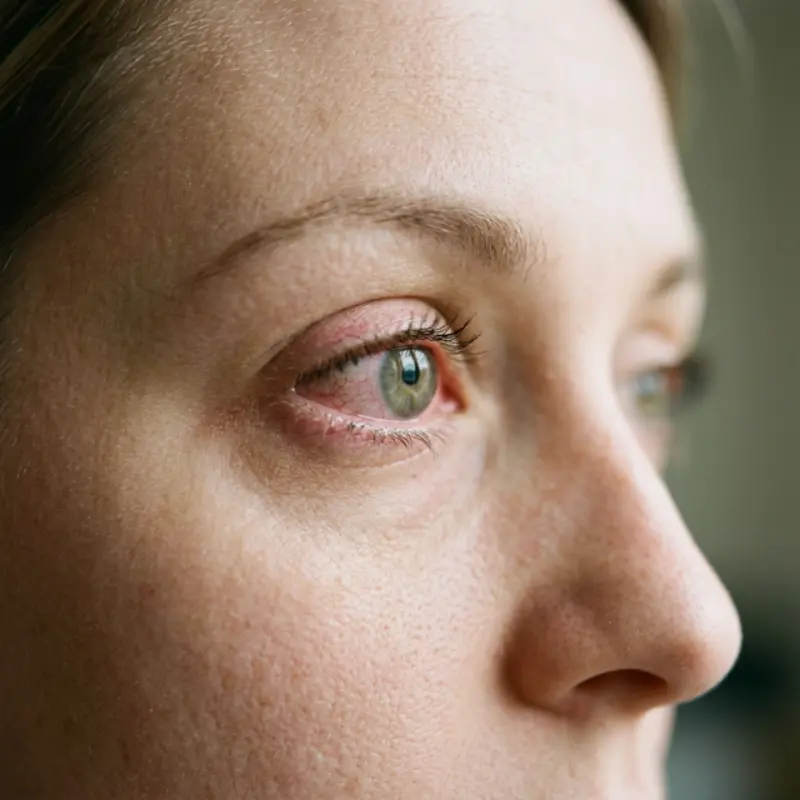
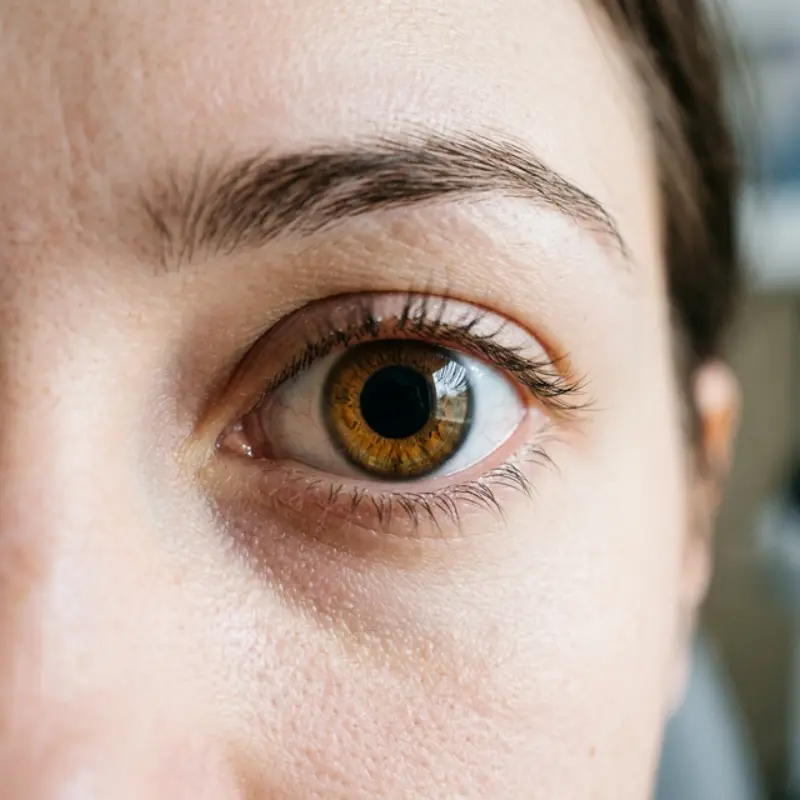
- Pinpoint pupils (extremely small)
- Unresponsive — won't wake up to noise or pain
- Limp body
- "Death rattle" — gurgling or choking sounds
- Pale, cold, clammy skin
- Slow or absent pulse
Alcohol Overdose Signs
Alcohol poisoning kills approximately 2,200 Americans annually:
- Vomiting while unconscious (aspiration risk)
- Slow or irregular breathing (fewer than 8 breaths/minute)
- Seizures
- Hypothermia (low body temperature, blue skin)
- Unconscious and cannot be woken
- Extreme confusion or stupor
Stimulant Overdose Signs
Cocaine, methamphetamine, and other stimulants can cause cardiac and cerebrovascular emergencies:
- Chest pain (heart attack)
- Seizures
- Dangerously high body temperature (hyperthermia, 104°F+)
- Extreme agitation, paranoia, or psychosis
- Irregular heartbeat (arrhythmia)
- Difficulty breathing
- Loss of consciousness
- Stroke symptoms (one-sided weakness, slurred speech, confusion)
Benzodiazepine Overdose
- Extreme drowsiness or unconsciousness
- Confusion and impaired coordination
- Slurred speech
- Slow breathing
- Significantly more dangerous when combined with opioids or alcohol — most benzo-related deaths involve co-ingestion
How to Respond
- Call 911 immediately — do not wait to see if they improve
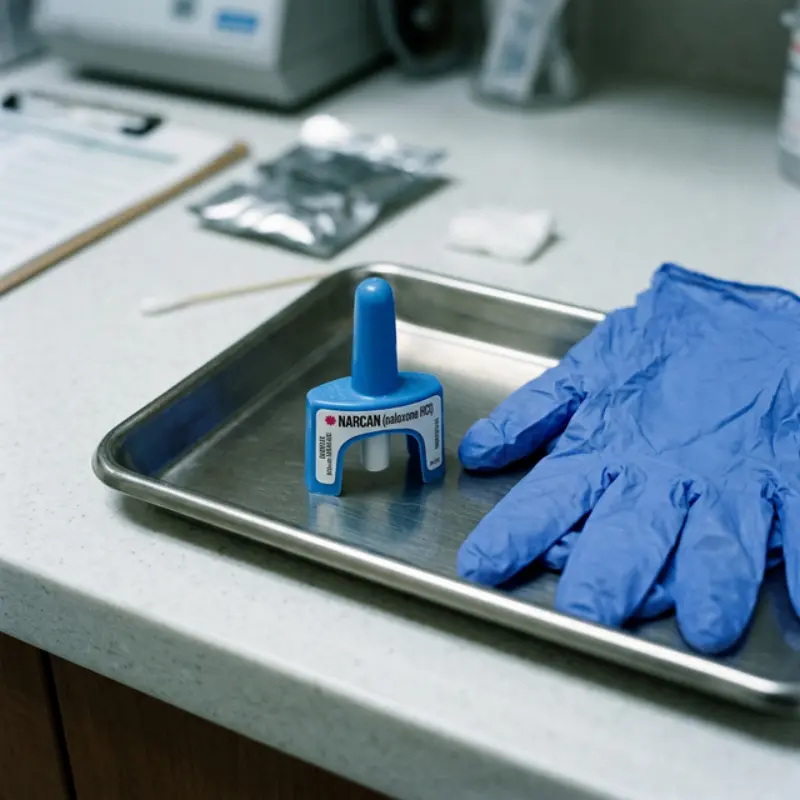
- If opioid overdose suspected: administer naloxone (Narcan)
- Perform rescue breathing if they are not breathing (tilt head back, lift chin, give 1 breath every 5 seconds)
- Place in recovery position (on side) if breathing but unresponsive — prevents choking on vomit
- Stay with them until help arrives
- Be ready to tell EMS what substance(s) were used, when, and how much (if known)
- If no response to naloxone after 2–3 minutes: give a second dose
Naloxone (Narcan)
- Available without prescription in all 50 states
- Nasal spray (Narcan): one spray in one nostril; repeat in 2–3 minutes if no response
- Works in 2–3 minutes; effects last 30–90 minutes
- Has no effect if opioids aren't present — no harm in giving it
- Cannot be abused; has no psychoactive effects
- Multiple doses may be needed for fentanyl (higher potency)
- Where to get it: pharmacies, harm reduction organizations, health departments, NEXT Distro
Good Samaritan Laws
Most US states have overdose Good Samaritan laws that provide legal protection when calling 911 during an overdose:
- 40+ states have some form of Good Samaritan protection
- Typically protects both the caller and the person overdosing
- Usually covers drug possession charges (not trafficking)
- Laws vary by state — check your state's specific protections
- Bottom line: always call 911. A drug charge can be fought — death cannot.
Frequently Asked Questions
What are the most common signs of an overdose?
The signs vary by substance. Opioid overdose: slow/stopped breathing, blue lips/fingertips, pinpoint pupils, unresponsive. Alcohol poisoning: vomiting while unconscious, slow/irregular breathing, seizures, cold/clammy skin. Stimulant overdose: chest pain, seizures, extreme agitation, dangerously high body temperature. When in doubt — call 911 immediately. You don't need to identify the substance to get help.
How many overdose deaths occur each year?
In 2023, the US recorded over 107,000 drug overdose deaths — roughly 294 deaths per day. Synthetic opioids (primarily fentanyl) account for approximately 70% of these deaths. Overdose is the leading cause of accidental death for Americans aged 25–64. These numbers represent a 500%+ increase since 2000.
Can you overdose on marijuana?
A fatal cannabis overdose from THC alone has never been documented in medical literature. However, cannabis edibles can cause extremely uncomfortable symptoms — severe anxiety/panic, paranoid delusions, rapid heart rate, and vomiting (cannabinoid hyperemesis). More importantly, cannabis products contaminated with synthetic cannabinoids or fentanyl have caused fatal overdoses.
What is naloxone (Narcan) and how does it work?
Naloxone is an opioid antagonist that reverses opioid overdoses by binding to opioid receptors and blocking the effects of opioids. It works within 2–3 minutes when given as a nasal spray (Narcan) or injection. It has no potential for abuse, no effect if opioids aren't present, and minimal side effects. It is available without prescription in all 50 states. Everyone who knows someone who uses opioids should carry naloxone.
Can I get in trouble for calling 911 during an overdose?
Most US states have Good Samaritan laws that provide legal protection to people who call 911 during an overdose. These typically protect both the caller and the person overdosing from prosecution for drug possession. The specifics vary by state. The bottom line: always call 911. A drug charge can be fought in court — death cannot be reversed.
How long does it take to overdose?
It depends on the substance and route. IV fentanyl can cause respiratory arrest within minutes. Alcohol poisoning typically develops over hours of heavy drinking. Stimulant overdose (heart attack/stroke) can occur suddenly during use. Pill overdoses may take 30 minutes to several hours to become critical. This is why the fentanyl crisis is so deadly — the window for intervention is extremely short with injected/smoked fentanyl.
Can someone overdose even with a high tolerance?
Yes. Tolerance fluctuates. After a period of reduced use, abstinence, or incarceration, tolerance drops significantly. Using the same dose after a tolerance decrease is a leading cause of fatal overdose. Additionally, fentanyl contamination means even experienced users cannot predict the potency of illicit drugs. Drug mixing (polydrug use) also dramatically increases overdose risk even at otherwise tolerated doses.
What should I NOT do during an overdose?
Do NOT: put them in a cold bath or shower (hypothermia risk), inject them with salt water or milk (myth — does nothing), slap them or pour water on their face (ineffective), try to make them vomit (aspiration risk), assume they'll "sleep it off" (they may stop breathing), leave them alone, or hesitate to call 911 because of legal fears. DO: call 911, administer naloxone if available (opioid overdose), place them in the recovery position, and stay with them.
Sources & References
- CDC. Drug Overdose Deaths. cdc.gov
- SAMHSA. Opioid Overdose Prevention Toolkit. samhsa.gov
- FDA. Naloxone. fda.gov
- PDAPS. Good Samaritan Overdose Prevention Laws. pdaps.org