What Is Fentanyl?
Fentanyl is a synthetic opioid originally developed in 1960 by Belgian chemist Paul Janssen. It is 50 to 100 times more potent than morphine and approximately 50 times stronger than heroin. Pharmaceutical fentanyl is prescribed to treat severe pain, typically in advanced cancer patients or after major surgery, and is administered via transdermal patches, lozenges, nasal sprays, or injectable solutions.
However, the ongoing opioid crisis is primarily driven by illicitly manufactured fentanyl (IMF) — produced in clandestine laboratories and sold on the street, often mixed into other drugs without the buyer's knowledge. According to the Centers for Disease Control and Prevention (CDC), synthetic opioids like fentanyl are now the most common drugs involved in overdose deaths in the United States.
Fentanyl is classified as a Schedule II controlled substance by the Drug Enforcement Administration (DEA), meaning it has an accepted medical use but carries a high potential for abuse and severe psychological or physical dependence.
How Fentanyl Works in the Brain
Like all opioids, fentanyl works by binding to the body's mu-opioid receptors — proteins found in the brain, spinal cord, and gastrointestinal tract. These receptors are part of the pain and reward pathways. When fentanyl activates these receptors, it:
- Blocks pain signals from reaching the brain
- Triggers a massive release of dopamine in the brain's reward centers
- Produces intense feelings of euphoria and relaxation
- Depresses the central nervous system, slowing breathing and heart rate
Because fentanyl binds to opioid receptors with much greater affinity than morphine or heroin, its effects are faster and more intense. This extreme potency is what makes the margin between a dose that gets someone high and a dose that kills them dangerously thin.
With repeated use, the brain's reward system adapts — reducing natural dopamine production and requiring more fentanyl to achieve the same effect. This is the neurological basis of opioid tolerance and dependence.
Forms of Fentanyl
Pharmaceutical Fentanyl
Prescription fentanyl is manufactured under strict quality controls and comes in precisely dosed forms:
- Transdermal patches (Duragesic) — slow-release through the skin over 48–72 hours
- Lozenges/lollipops (Actiq) — dissolved in the mouth for breakthrough cancer pain
- Nasal sprays (Lazanda) — for rapid-onset pain relief
- Sublingual tablets (Abstral) — dissolve under the tongue
- Injectable solutions — used in hospital settings during surgery
Illicitly Manufactured Fentanyl
Illicit fentanyl is produced without quality control and comes in unpredictable forms:
- Powder — white or off-white, often sold in small paper folds (fent folds)
- Counterfeit pills — pressed to look like oxycodone (M30 "blues"), Xanax, Adderall, or other medications
- Mixed into other drugs — heroin, cocaine, methamphetamine, and lean are frequently laced with fentanyl
- Rainbow fentanyl — brightly colored pills or powder marketed on social media
Fentanyl Side Effects
Short-Term Effects
The immediate effects of fentanyl include:
- Intense euphoria — a rush of pleasure more powerful than most other opioids
- Drowsiness and sedation — extreme sleepiness, nodding off
- Respiratory depression — dangerously slowed or stopped breathing
- Nausea and vomiting
- Confusion and disorientation
- Constricted (pinpoint) pupils
- Constipation
- Muscle rigidity — especially in the chest wall ("wooden chest syndrome")
- Unconsciousness
Long-Term Effects
Chronic fentanyl use leads to serious health consequences:
- Physical dependence — the body cannot function normally without the drug
- Tolerance — increasing amounts needed for the same effect
- Immune system suppression — increased vulnerability to infections
- Hormonal disruption — reduced testosterone, irregular menstruation
- Gastrointestinal damage — chronic constipation, bowel obstruction
- Cognitive impairment — memory problems, impaired decision-making
- Respiratory problems — chronic breathing issues
- Depression and anxiety
- Social isolation — withdrawal from relationships and responsibilities
Fentanyl Overdose
A fentanyl overdose occurs when the drug overwhelms the brain's ability to maintain basic life functions — primarily breathing. Because fentanyl is so potent, as little as 2 milligrams (roughly the size of 5 grains of salt) can be lethal for a person without opioid tolerance. The risk is compounded by the fact that illicit fentanyl is unevenly mixed, creating "hot spots" of concentrated drug within a batch.
Signs of Fentanyl Overdose
Recognize these critical warning signs:
- Slow, shallow, or stopped breathing
- Blue or grayish lips, fingernails, and skin (cyanosis)
- Pinpoint pupils — extremely small, constricted pupils
- Gurgling or choking sounds ("death rattle")
- Limpness and unresponsiveness
- Cold, clammy skin
- Loss of consciousness — unable to be woken
- Slow or absent pulse
What to Do During a Fentanyl Overdose
- Call 911 immediately — every minute counts
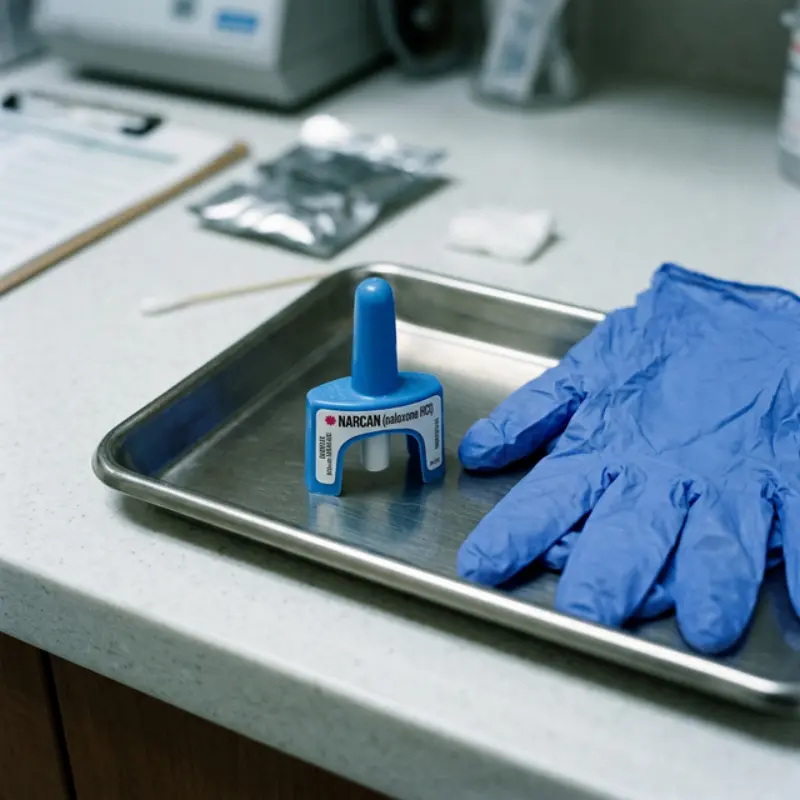
- Administer naloxone (Narcan) — nasal spray or intramuscular injection. Fentanyl overdoses may require multiple doses due to its high potency
- Perform rescue breathing — tilt the head back, lift the chin, give one breath every 5 seconds
- Place in recovery position — on their side to prevent choking if they vomit
- Stay with the person until emergency responders arrive
- Give additional naloxone every 2–3 minutes if there is no improvement
Good Samaritan Laws: Most U.S. states protect people who call 911 during an overdose from drug-related charges. Don't be afraid to call — your call could save a life.
Fentanyl vs Other Opioids
Understanding fentanyl's potency relative to other opioids helps explain why it is so deadly:
| Opioid | Potency (vs Morphine) | Lethal Dose (Approx.) | DEA Schedule |
|---|---|---|---|
| Morphine | 1x (baseline) | 200 mg | Schedule II |
| Oxycodone | 1.5x | 80 mg | Schedule II |
| Heroin | 2–5x | 75–375 mg | Schedule I |
| Fentanyl | 50–100x | 2 mg | Schedule II |
| Carfentanil | 10,000x | 0.02 mg | Schedule II |
Fentanyl Street Names and Slang
Recognizing fentanyl slang terms can help parents, educators, and loved ones identify potential drug use:
- Common names: Fent, Fetty, Apache, China Girl, China White, Dance Fever, Goodfella, Murder 8, TNT, Jackpot, Friend
- Blue pills: Blues, M30s, Mexi blues, Dirty 30s, Pressed 30s — counterfeit oxycodone pills containing fentanyl
- Product forms: Fent folds (paper packets), Fent lean (lean spiked with fentanyl), Rainbow fentanyl (colored pills)
How Long Does Fentanyl Stay in Your System?
Fentanyl detection times vary by test type:
- Urine: 24–72 hours (up to 96 hours for heavy use)
- Blood: 5–48 hours
- Saliva: 1–4 days
- Hair: Up to 90 days
Standard drug tests may not detect fentanyl, as it doesn't show up on basic opioid panels. A specific fentanyl immunoassay or expanded panel is required. Factors affecting detection include dose, frequency of use, metabolism, body fat percentage, kidney function, and hydration levels.
Signs of Fentanyl Addiction
Fentanyl addiction can develop rapidly — sometimes within days of first use. Watch for these warning signs:
- Using more fentanyl or using it longer than intended
- Failed attempts to stop or reduce use
- Spending significant time obtaining, using, or recovering from the drug
- Intense cravings for fentanyl
- Neglecting work, school, or family responsibilities
- Continuing use despite relationship problems caused by the drug
- Giving up important activities to use fentanyl
- Using in physically dangerous situations (e.g., driving while impaired)
- Developing tolerance — needing more to achieve the same effect
- Experiencing withdrawal symptoms when not using
Fentanyl Withdrawal Symptoms
Fentanyl withdrawal is intensely uncomfortable and often compared to a severe flu, but with extreme psychological distress. While rarely fatal on its own, the misery of withdrawal is a primary driver of relapse — which can be fatal due to lost tolerance. Medical detox is strongly recommended.
Common withdrawal symptoms include:
- Severe muscle and bone pain
- Insomnia and restlessness
- Diarrhea, nausea, and vomiting
- Cold flashes with goosebumps
- Uncontrollable leg movements
- Excessive sweating and runny nose
- Dilated pupils and tearing
- Intense cravings
- Anxiety, agitation, and depression
Fentanyl Withdrawal Timeline
- 8–24 hours after last dose: Early symptoms begin — anxiety, muscle aches, runny nose, sweating, insomnia
- 36–72 hours: Peak withdrawal — most intense symptoms including severe pain, nausea, vomiting, diarrhea, and intense cravings
- Days 5–7: Acute symptoms begin to subside but fatigue, irritability, and sleep disturbances persist
- Weeks 2–4+: Post-acute withdrawal syndrome (PAWS) — lingering depression, anxiety, cravings, and sleep problems that can last weeks to months
Fentanyl Addiction Treatment
Fentanyl addiction is treatable with the right combination of medical care, counseling, and long-term support. The National Institute on Drug Abuse (NIDA) recommends a comprehensive treatment approach.
Medication-Assisted Treatment (MAT)
MAT is the gold standard for opioid addiction treatment. FDA-approved medications include:
- Buprenorphine (Suboxone, Sublocade): A partial opioid agonist that reduces cravings and withdrawal without producing a significant high. Can be prescribed in outpatient settings.
- Methadone: A full opioid agonist dispensed through licensed clinics. Effective for severe addiction and reduces overdose risk by 50% or more.
- Naltrexone (Vivitrol): An opioid antagonist that blocks the effects of opioids entirely. Available as a monthly injection. Requires full detox before starting.
MAT is most effective when combined with:
- Cognitive-behavioral therapy (CBT) — identifying triggers and developing coping strategies
- Contingency management — incentive-based motivation for staying drug-free
- Support groups — Narcotics Anonymous (NA) and other peer-based programs
- Inpatient rehabilitation for severe addiction
- Intensive outpatient programs (IOP) for ongoing support
Fentanyl Statistics and Facts
- Synthetic opioids (primarily fentanyl) were involved in 73,654 overdose deaths in the U.S. in 2022 (CDC)
- Fentanyl is the #1 cause of death for Americans aged 18–45
- In 2022, the DEA seized over 379 million doses of fentanyl (enough to kill every American)
- 6 out of 10 counterfeit pills tested by the DEA contained a potentially lethal dose of fentanyl
- Between 2019 and 2022, fentanyl-related teen overdose deaths increased by 94%
- The majority of illicit fentanyl enters the U.S. from Mexico, with precursor chemicals sourced from China
- Naloxone (Narcan) is effective in reversing fentanyl overdoses but may require multiple doses
Frequently Asked Questions About Fentanyl
What is fentanyl and why is it so dangerous?
Fentanyl is a synthetic opioid that is 50 to 100 times more potent than morphine and approximately 50 times more potent than heroin. It is dangerous because the difference between a therapeutic dose and a lethal dose is extremely small — as little as 2 milligrams (the size of a few grains of salt) can be fatal for someone without an opioid tolerance. Illicitly manufactured fentanyl is now the leading cause of overdose deaths in the United States.
How long does fentanyl stay in your system?
Fentanyl can be detected in urine for 24 to 72 hours after last use, in blood for 5 to 48 hours, in saliva for 1 to 4 days, and in hair follicles for up to 90 days. Detection windows depend on factors including the dose, frequency of use, metabolism, body fat percentage, and the specific drug test used. Chronic users may test positive for longer periods.
What does fentanyl look like?
Pharmaceutical fentanyl comes in transdermal patches, lozenges, nasal sprays, and injectable solutions. Illicitly manufactured fentanyl is most commonly found as a white or off-white powder, pressed into counterfeit prescription pills (often made to look like oxycodone M30 pills — called "blues"), or mixed into other drugs like heroin, cocaine, or methamphetamine. It is impossible to identify fentanyl by sight, smell, or taste.
Can you overdose on fentanyl by touching it?
According to the American College of Medical Toxicology (ACMT), it is extremely unlikely to overdose from brief skin contact with fentanyl powder. Fentanyl is not well absorbed through intact skin in its powder form. Transdermal fentanyl patches are specifically designed with penetration enhancers to allow slow absorption. However, fentanyl should never be handled carelessly — mucous membrane contact (eyes, nose, mouth) does pose a risk.
What is the difference between pharmaceutical and illicit fentanyl?
Pharmaceutical fentanyl is legally manufactured, precisely dosed, and prescribed by doctors for severe pain (typically in cancer patients or after surgery). Illicit fentanyl is manufactured in illegal laboratories, has no quality control, and its potency varies wildly — making every dose potentially lethal. The vast majority of fentanyl-related overdose deaths involve illicitly manufactured fentanyl, not pharmaceutical products.
How is fentanyl addiction treated?
The gold standard for fentanyl addiction treatment is medication-assisted treatment (MAT), which combines FDA-approved medications — buprenorphine (Suboxone), methadone, or naltrexone (Vivitrol) — with behavioral therapy and counseling. MAT reduces cravings, prevents withdrawal symptoms, and significantly lowers the risk of fatal overdose. Treatment should be long-term and may include inpatient rehab, intensive outpatient programs, and ongoing support groups.
What are fentanyl test strips and where can I get them?
Fentanyl test strips (FTS) are inexpensive, disposable strips that can detect the presence of fentanyl in drugs before use. They work by dissolving a small amount of a substance in water and dipping the strip in the solution. They are available at many pharmacies, harm reduction organizations, and online. Many states have legalized fentanyl test strips as a harm reduction tool. NEXT Distro (nextdistro.org) provides free mail-order FTS.
How many people die from fentanyl each year?
According to the CDC, synthetic opioids (primarily illicitly manufactured fentanyl) were involved in over 73,000 overdose deaths in the United States in 2022, accounting for approximately 68% of all drug overdose deaths. This represents a dramatic increase from fewer than 10,000 synthetic opioid deaths in 2015. Fentanyl is now the leading cause of death for Americans aged 18 to 45.
Sources & References
- Centers for Disease Control and Prevention (CDC). Drug Overdose Deaths in the United States, 2002–2022. NCHS Data Brief, No. 491. cdc.gov
- National Institute on Drug Abuse (NIDA). Fentanyl DrugFacts. nida.nih.gov
- Drug Enforcement Administration (DEA). Facts About Fentanyl. dea.gov
- DEA. One Pill Can Kill Campaign — Counterfeit Pill Facts. dea.gov/onepill
- Substance Abuse and Mental Health Services Administration (SAMHSA). Key Substance Use and Mental Health Indicators in the United States: Results from the 2021 National Survey on Drug Use and Health. samhsa.gov
- American College of Medical Toxicology (ACMT). ACMT and AACT Position Statement: Preventing Occupational Fentanyl and Fentanyl Analog Exposure to Emergency Responders. acmt.net
- National Institute on Drug Abuse (NIDA). Effective Treatments for Opioid Addiction. nida.nih.gov
- Volpe DA, Tobin GA, Mellon RD, et al. Uniform Assessment and Ranking of Opioid Mu Receptor Binding Constants for Selected Opioid Drugs. Regulatory Toxicology and Pharmacology, 2011;59(3):385-390.
- SAMHSA. National Helpline. 1-800-662-4357. samhsa.gov