Is Cannabis Withdrawal Real?
Yes. Cannabis withdrawal syndrome is a recognized clinical diagnosis in the DSM-5 (added in 2013). The persistent myth that cannabis is "not physically addictive" is outdated — based on research conducted when THC concentrations were 1–4%. Today's cannabis products regularly contain 15–30% THC (flower) and 60–90% THC (concentrates/dabs), producing significantly greater physical dependence.
According to NIDA, approximately 3 in 10 cannabis users develop cannabis use disorder, and physical withdrawal symptoms are a recognized component of that disorder.
Cannabis Withdrawal Symptoms
The DSM-5 criteria for cannabis withdrawal require 3+ of the following within 1 week of stopping heavy, prolonged use:
- Irritability, anger, or aggression
- Nervousness or anxiety
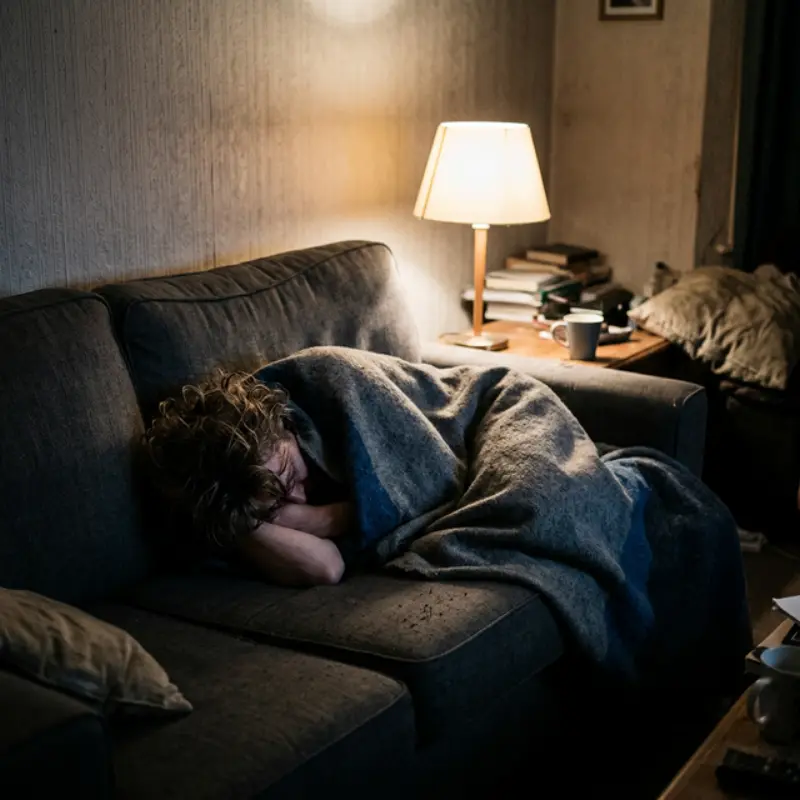
- Sleep difficulty (insomnia, vivid/disturbing dreams)
- Decreased appetite or weight loss
- Restlessness
- Depressed mood
- Physical symptoms (abdominal pain, shakiness/tremors, sweating, fever, chills, headache)
Cannabis Withdrawal Timeline
| Time | What to Expect |
|---|---|
| Day 1 | Irritability, anxiety begin; cravings start; possible difficulty sleeping |
| Days 2–3 | Peak irritability and anxiety; insomnia worsens; decreased appetite; physical discomfort |
| Days 4–6 | Symptoms remain elevated; vivid dreams begin as REM rebounds; mood swings |
| Days 7–10 | Physical symptoms improving; sleep still disrupted; cravings persist |
| Weeks 2–3 | Most symptoms resolving; sleep normalizing; occasional cravings |
| Week 4+ | Most symptoms resolved; intermittent cravings may persist; sleep quality improving |
For a more detailed breakdown, see our Cannabis Withdrawal Timeline guide.
Why Does Cannabis Withdrawal Happen?
THC binds to CB1 cannabinoid receptors throughout the brain, part of the endocannabinoid system (ECS) that regulates mood, appetite, sleep, pain, and stress. With chronic use:
- CB1 receptors downregulate — becoming less responsive
- The brain's own endocannabinoids (anandamide, 2-AG) decrease in production
- When THC is removed, the ECS is temporarily impaired — causing rebound symptoms in all the functions it regulates
- Receptor recovery begins within 48 hours and is substantially complete within 4 weeks (Hirvonen et al., 2012)
Who Gets Cannabis Withdrawal?
- Daily or near-daily users are most likely to experience withdrawal
- High-potency product users (concentrates, high-THC strains) — greater receptor downregulation
- Long-duration users — years of daily use produces more entrenched dependence
- Users who started young — adolescent onset increases vulnerability
- Approximately 47% of regular users report at least one withdrawal symptom upon cessation
Is Cannabis Withdrawal Dangerous?
Cannabis withdrawal is not medically dangerous — there is no risk of seizures, organ failure, or death. However:
- Symptoms can be uncomfortable enough to drive relapse
- Sleep disruption and irritability can significantly impair daily functioning
- Pre-existing anxiety or mood disorders may temporarily worsen
- In rare cases, severe nausea may lead to dehydration
How to Manage Symptoms
- Sleep hygiene — consistent schedule, cool dark room, no screens before bed, melatonin if needed
- Exercise — releases endocannabinoids naturally, improves mood and sleep
- Hydration and nutrition — small, frequent meals if appetite is reduced
- Relaxation techniques — deep breathing, progressive muscle relaxation, meditation
- Social support — r/leaves community, Marijuana Anonymous
- Avoid triggers — people, places, paraphernalia associated with use
- Patience — remind yourself symptoms are temporary and will resolve
Treatment
- CBT and motivational enhancement therapy — strongest evidence for cannabis use disorder
- Outpatient programs — appropriate for most cannabis use disorders
- Support groups — Marijuana Anonymous (MA), SMART Recovery, NA
- No FDA-approved medications — but gabapentin, N-acetylcysteine, and zolpidem have shown benefit in studies
- Treating co-occurring conditions — anxiety, depression, insomnia
Frequently Asked Questions
Is cannabis withdrawal real?
Yes. Cannabis withdrawal syndrome is a recognized clinical diagnosis in the DSM-5 (code 292.0). It was added in 2013 based on robust clinical evidence. The misconception that cannabis isn't physically addictive stems from earlier eras when THC concentrations were much lower (1–4% in the 1990s vs. 15–30%+ today). Higher potency products produce greater physical dependence and more pronounced withdrawal.
How long does marijuana withdrawal last?
Cannabis withdrawal typically lasts 1–3 weeks. Symptoms begin within 24–72 hours of last use, peak around days 2–6, and most physical symptoms resolve by days 10–14. However, sleep disturbance, irritability, and cravings can persist for 2–4 weeks or longer. Heavy or long-term users may experience extended withdrawal. For a detailed day-by-day breakdown, see our cannabis withdrawal timeline.
Can you get sick from quitting weed?
Yes. Physical symptoms of cannabis withdrawal include insomnia, decreased appetite, nausea, abdominal pain, headaches, sweating, chills, and tremors. Psychological symptoms — anxiety, irritability, depression, and restlessness — are typically more prominent. While these symptoms are not medically dangerous, they can be quite uncomfortable and often drive relapse.
Does weed withdrawal cause anxiety?
Anxiety is one of the most common and persistent cannabis withdrawal symptoms. This occurs because THC acts on CB1 cannabinoid receptors that regulate anxiety and stress response. When the brain's endocannabinoid system has been chronically supplemented by external THC and it's suddenly removed, the anxiety-regulating system temporarily malfunctions, producing rebound anxiety that can be intense.
Is cannabis withdrawal worse with concentrates/dabs?
Yes. Cannabis concentrates (dabs, wax, shatter) contain 60–90% THC vs. 15–30% in flower. Higher THC exposure leads to greater CB1 receptor downregulation and more severe dependence. Users who primarily consume concentrates typically report more intense withdrawal symptoms, longer duration, and harder recovery compared to flower-only users.
Can cannabis withdrawal cause insomnia?
Insomnia and sleep disturbance are among the most common and persistent withdrawal symptoms. THC aids sleep onset but disrupts REM sleep architecture. During withdrawal, REM sleep "rebounds" — producing vivid, intense, sometimes disturbing dreams (a hallmark symptom). Sleep disruption can persist for 2–6 weeks and is a major driver of relapse.
How addictive is cannabis?
According to NIDA, approximately 9% of all cannabis users develop cannabis use disorder. The rate rises to 17% for those who start using as teenagers and to 25–50% for daily users. With today's high-potency products and concentrates, dependence develops faster. Cannabis use disorder is a DSM-5 diagnosis with 11 criteria identical in structure to other substance use disorders.
Should I taper off cannabis or quit cold turkey?
Both approaches are used. Cold turkey produces more intense but shorter withdrawal. Gradual tapering (reducing amount and frequency over 1–2 weeks) produces milder symptoms but extends the timeline. There is no clinical consensus. Tapering may be preferable for heavy daily users, those with anxiety disorders, or those who have experienced severe withdrawal before. Medical advice should be sought for individual guidance.
Sources & References
- APA. DSM-5: Cannabis Withdrawal (292.0). 2013.
- Hirvonen J, et al. Reversible and regionally selective downregulation of brain cannabinoid CB1 receptors in chronic daily cannabis smokers. Mol Psychiatry. 2012;17(6):642-649.
- NIDA. Cannabis (Marijuana) DrugFacts. nida.nih.gov
- Budney AJ, et al. Review of the Validity and Significance of Cannabis Withdrawal Syndrome. Am J Psychiatry. 2004;161:1967-1977.