What Are Dilated Pupils?
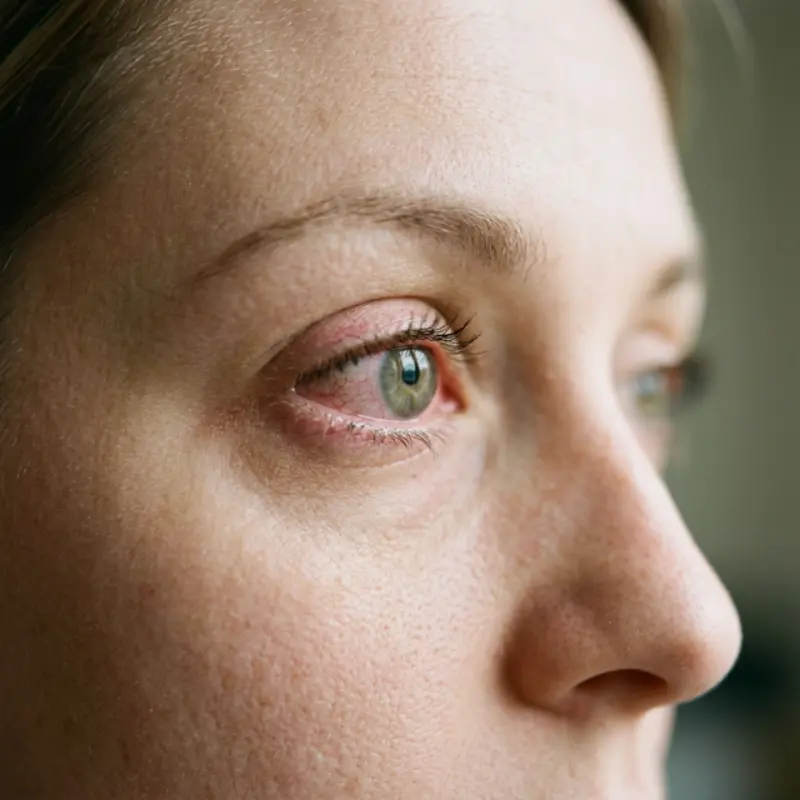
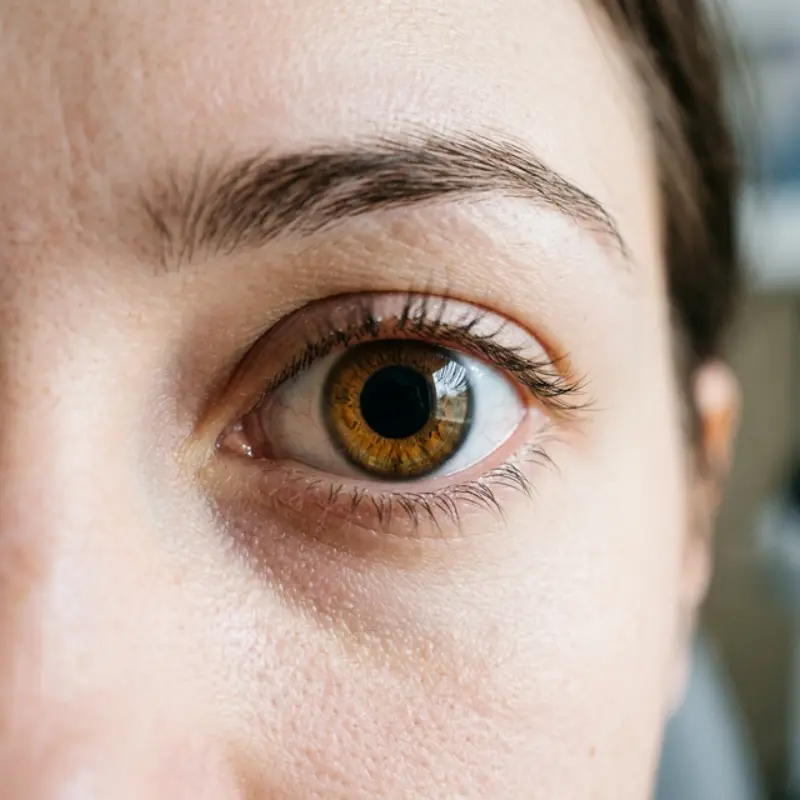
Mydriasis (dilated pupils) occurs when the muscles in the iris open the pupil wider than normal. Normal pupil size ranges from 2–4mm in bright light to 4–8mm in dim light. Pupils larger than 6mm in bright light or 8mm in any condition are considered dilated. Drug-induced mydriasis occurs because substances affect the autonomic nervous system that controls the iris muscles.
Drugs That Cause Dilated Pupils
| Drug Category | Examples | Duration |
|---|---|---|
| Stimulants | Cocaine, meth, Adderall, Ritalin | 30 min – 12 hours |
| Hallucinogens | LSD, psilocybin, DMT, mescaline | 4–12 hours |
| Empathogens | MDMA/Molly | 3–6 hours |
| Anticholinergics | Benadryl (OD), scopolamine | 6–24 hours |
| Cannabinoids | Marijuana (mild) | 2–4 hours |
Drugs That Cause Constricted Pupils
| Drug | Pupil Effect | Mechanism |
|---|---|---|
| Heroin | Pinpoint (1–2mm) | Mu-opioid receptor activation |
| Fentanyl | Pinpoint (1–2mm) | Mu-opioid receptor activation |
| Oxycodone | Constricted | Mu-opioid receptor activation |
| Morphine | Constricted | Mu-opioid receptor activation |
| Methadone | Constricted | Mu-opioid receptor activation |
Pupil Size Reference
| Condition | Size | Possible Indication |
|---|---|---|
| Pinpoint | 1–2mm | Opioid use or overdose |
| Constricted | 2–3mm | Normal (bright light) or mild opioid effect |
| Normal | 3–5mm | No drug influence (room light) |
| Dilated | 5–7mm | Stimulant or hallucinogen use (or low light) |
| Maximally dilated | 7–9mm | Heavy stimulant, MDMA, or hallucinogen use |
Non-Drug Causes
- Dim lighting — normal physiological dilation
- Fight-or-flight response — adrenaline from fear, excitement
- Eye exam drops — mydriatic agents (tropicamide, phenylephrine)
- Head injury or concussion — unequal pupils (anisocoria) is a medical emergency
- Migraines
- Benign episodic mydriasis
- Holmes-Adie syndrome — tonic pupil
What Pupils Tell Emergency Responders
- Pinpoint + unresponsive + slow breathing → opioid overdose → administer naloxone
- Dilated + agitated + hyperthermic → stimulant overdose → cooling, sedation
- Dilated + altered perception → hallucinogen use → safe environment, reassurance
- One pupil larger than the other → head trauma → urgent medical attention
- Pupil reactivity to light helps assess brain function — fixed, non-reactive pupils indicate serious CNS depression
Frequently Asked Questions
What drugs cause dilated pupils?
Stimulants: cocaine, methamphetamine, Adderall, Ritalin. Hallucinogens: LSD, psilocybin mushrooms, DMT, mescaline. MDMA/ecstasy. Anticholinergic drugs: Benadryl (overdose), scopolamine, jimsonweed. Cannabis can cause mild dilation. Alcohol can cause slight dilation. These drugs all increase sympathetic nervous system activity or block parasympathetic input, which dilates the pupil.
What drugs cause pinpoint (constricted) pupils?
Opioids are the primary cause: heroin, fentanyl, oxycodone, hydrocodone, morphine, methadone. Miosis (constricted pupils) occurs because opioids stimulate the parasympathetic nerve that controls the pupillary sphincter muscle. Pinpoint pupils that don't react to changes in light are a hallmark of opioid intoxication and a key sign emergency responders check during suspected overdose.
How long do drug-related pupil changes last?
Cocaine: 30 minutes to 2 hours. Methamphetamine: 6-12 hours. MDMA: 4-6 hours. LSD: 6-12 hours. Psilocybin: 4-6 hours. Opioids (constriction): 4-8 hours for short-acting, longer for extended-release. Adderall: 4-12 hours depending on formulation. Duration depends on dose, tolerance, and individual metabolism.
Can you tell what drug someone used by their pupils?
Pupils provide strong clues but are not diagnostic alone. General patterns: Dilated = stimulants, hallucinogens, or MDMA. Pinpoint = opioids. Normal but with nystagmus (bouncing) = alcohol, PCP, ketamine. Drug Recognition Experts (DREs) in law enforcement use pupil assessment as one of 12 steps in evaluating impairment. Medical professionals use pupil findings alongside other clinical indicators.
Do dilated pupils always mean drug use?
No. Non-drug causes include: low light (normal physiological response), fear/excitement/arousal (adrenaline release), recent eye exam (mydriatic drops), certain medications (atropine, tropicamide), head injury/concussion, migraines, Holmes-Adie syndrome, and autonomic dysfunction. Context, additional symptoms, and behavioral changes help distinguish drug-related from non-drug causes.
Can pupil size be used in drug testing?
Pupil assessment is used by Drug Recognition Experts (DREs) in law enforcement as part of a 12-step evaluation protocol, but it is not a replacement for chemical drug testing (urine, blood, saliva, hair). Pupil size helps identify the general category of drug use but cannot determine the specific substance. Formal drug testing is required for legal and clinical confirmation.
Why do opioids make pupils small?
Opioids bind to mu-opioid receptors in the Edinger-Westphal nucleus of the brainstem, which controls the parasympathetic nerve to the eye. This activates the pupillary sphincter muscle, causing the pupil to constrict (miosis). This effect occurs even at therapeutic doses and persists as long as opioid activity continues. Tolerance develops to most opioid effects, but miosis remains relatively persistent — users still have small pupils.
What size pupils are considered dilated?
Normal pupil diameter: 2–4mm in bright light, 4–8mm in dim light. Dilated (mydriasis): greater than 6mm in bright light or greater than 8mm in any light. Drug-induced dilation often causes pupils to reach 7–9mm. The key indicator is pupil size relative to lighting conditions — large pupils in a bright room are abnormal. Also important: pupil reactivity — drug-affected pupils often react sluggishly to light changes.
Sources & References
- Spector RH. The Pupils. Clinical Methods: The History, Physical, and Laboratory Examinations. 3rd edition. Butterworths, 1990.
- NHTSA. Drug Recognition Expert Classroom Training Manual.
- DEA. Drug Fact Sheets. dea.gov