What Is Heroin?
Heroin is an illegal opioid drug synthesized from morphine, which is extracted from the seed pods of opium poppy plants. It is classified as a Schedule I controlled substance by the DEA — meaning it has no accepted medical use and a high potential for abuse.
Heroin can be injected, snorted, or smoked. All routes of administration deliver the drug rapidly to the brain, where it binds to mu-opioid receptors, producing an intense rush of euphoria followed by hours of sedation. According to the CDC, heroin use contributed to over 9,000 overdose deaths in the U.S. in 2021, though many heroin-related deaths now also involve fentanyl.
The opioid epidemic in the United States has deep roots in prescription painkiller misuse. NIDA estimates that approximately 80% of people who use heroin first misused prescription opioids, making the transition from prescription pills to heroin a well-documented pathway.
How Heroin Affects the Brain
Once in the brain, heroin is converted back into morphine and binds to mu-opioid receptors. This triggers:
- Dopamine flood — massive release in the nucleus accumbens, producing euphoria
- Pain suppression — blocks pain signals throughout the central nervous system
- Respiratory depression — slows brainstem activity controlling breathing (primary cause of overdose death)
- Sedation — the "nod" — drifting in and out of consciousness
With repeated use, the brain down-regulates its own opioid receptors and dopamine production. This creates physical dependence (withdrawal symptoms when the drug wears off) and tolerance (needing more heroin for same effect), trapping users in a cycle of escalating use.
Forms of Heroin
| Form | Appearance | Common Origin | How Used |
|---|---|---|---|
| White powder | Fine white/off-white powder | South America, Southeast Asia | Snorted, injected |
| Brown powder | Tan to brown granular powder | Mexico | Snorted, smoked |
| Black tar | Dark, sticky substance | Mexico | Injected, smoked |
Important: All forms of street heroin are now frequently contaminated with fentanyl, making every dose potentially lethal regardless of a user's tolerance level.
Heroin Side Effects
Short-Term Effects
- Intense euphoria ("rush") lasting seconds to minutes
- Warm flushing of the skin
- Heavy feeling in extremities
- Dry mouth
- Nausea and vomiting (especially first-time users)
- Severe itching
- "Nodding" — cycling between wakefulness and drowsiness
- Clouded mental function
- Constricted pupils
- Slowed breathing and heart rate
Long-Term Effects
- Collapsed veins (from injection)
- Bacterial infections of heart valves (endocarditis)
- Abscesses and skin infections
- Liver and kidney disease
- HIV/Hepatitis C (from shared needles)
- Lung complications (pneumonia, tuberculosis)
- Chronic constipation and bowel damage
- Sexual dysfunction
- Menstrual irregularity
- Depression and antisocial personality disorder
Heroin Overdose
A heroin overdose occurs when the drug depresses breathing to the point where the brain is deprived of oxygen (hypoxia). This can result in coma, permanent brain damage, or death within minutes.
Signs of heroin overdose:
- Extremely slow, shallow, or stopped breathing
- Blue or grayish lips and fingertips
- Pinpoint pupils
- Weak pulse
- Unresponsiveness — cannot be woken
- Gurgling or choking sounds
- Limp body
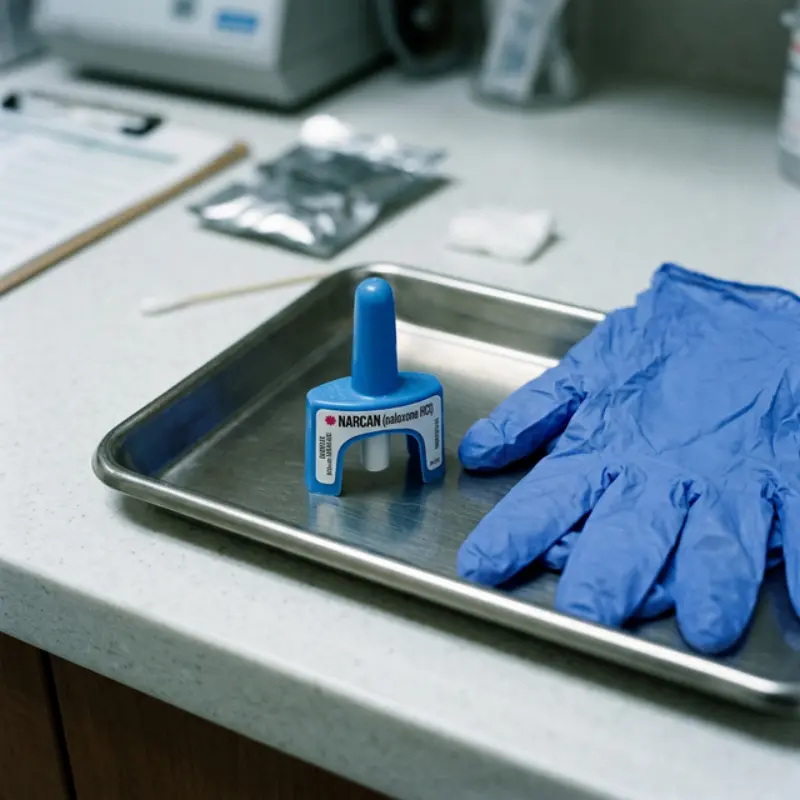
Response: Call 911, administer naloxone (Narcan) if available, perform rescue breathing, place person in recovery position. Stay until help arrives.
Heroin Street Names
- Common: Smack, H, horse, junk, skag, dope, brown sugar, mud, dragon
- White heroin: China white, white girl, snow (can be confused with cocaine slang)
- Black tar: Black, tar, chiva, negra
- Combinations: Speedball (heroin + cocaine), goofball (heroin + meth), scramble (heroin + fentanyl)
How Long Does Heroin Stay in Your System?
- Urine: 2–7 days
- Blood: Up to 6 hours
- Saliva: 1–24 hours
- Hair: Up to 90 days
Heroin is rapidly metabolized into 6-acetylmorphine (6-MAM) and then morphine. Drug tests can detect these metabolites. The short detection window in blood and saliva reflects heroin's rapid metabolism — its half-life is only about 30 minutes.
Signs of Heroin Addiction
- Track marks or bruising on arms, legs, or feet
- Wearing long sleeves in warm weather to hide injection sites
- Dramatic weight loss and neglecting personal hygiene
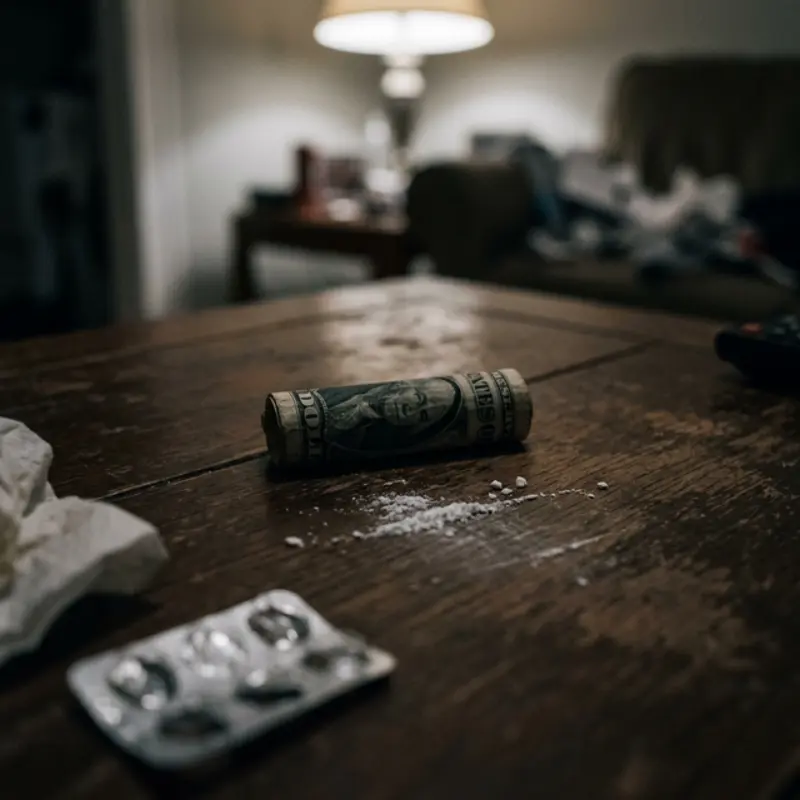
- Finding drug paraphernalia — spoons, lighters, syringes, rubber tubing, aluminum foil
- Nodding off at inappropriate times
- Pinpoint pupils and drowsy appearance
- Social withdrawal and secrecy
- Financial problems — borrowing money, selling possessions
- Flu-like symptoms when not using (withdrawal)
- Changes in friend groups
Heroin Withdrawal
Heroin withdrawal is intensely uncomfortable but rarely life-threatening. Medical detox is strongly recommended to prevent relapse and manage symptoms safely.
- 6–12 hours: Anxiety, muscle aches, runny nose, excessive sweating, yawning, agitation
- 1–3 days: Peak symptoms — severe pain, nausea, vomiting, diarrhea, abdominal cramps, goosebumps, insomnia
- Days 4–7: Symptoms gradually improve; fatigue, weakness, and cravings persist
- Weeks 2–4+: Post-acute withdrawal — depression, anxiety, cravings, sleep disturbance (can last months)
Heroin Addiction Treatment
Medication-Assisted Treatment (MAT) is the gold standard for heroin addiction:
- Buprenorphine (Suboxone): Partial opioid agonist — reduces cravings and withdrawal. Can be prescribed in outpatient settings.
- Methadone: Full opioid agonist — dispensed at licensed clinics. Highly effective for long-term stabilization.
- Naltrexone (Vivitrol): Opioid antagonist — blocks heroin's effects. Requires full detox first. Monthly injection.
MAT is combined with:
- Cognitive-behavioral therapy (CBT)
- Contingency management
- Narcotics Anonymous (NA)
- Inpatient or residential treatment
Heroin Statistics
- Approximately 1.1 million Americans reported using heroin in 2021 (NSDUH)
- Heroin was involved in 9,173 overdose deaths in 2021 (CDC)
- 80% of heroin users first misused prescription opioids (NIDA)
- Only 18% of people with heroin use disorder received treatment in 2021
- MAT reduces opioid overdose deaths by 50% or more
- The average age of first heroin use is 28 years old
Frequently Asked Questions
How addictive is heroin?
Heroin is one of the most addictive substances known. Approximately 23% of people who try heroin develop an opioid use disorder. The drug produces an intense rush of euphoria that powerfully reinforces drug-seeking behavior. Physical dependence can develop within just a few days of repeated use, and withdrawal symptoms begin within hours of the last dose.
What does heroin look like?
Heroin comes in several forms: white powder (most pure, commonly from South America), brown powder (less refined, from Mexico), and black tar heroin (dark, sticky substance from Mexico). Street heroin is almost always cut with other substances and may contain fentanyl, which dramatically increases overdose risk.
Can you survive a heroin overdose?
Yes, with immediate intervention. Naloxone (Narcan) can reverse a heroin overdose if administered in time. It is available as a nasal spray or injection and can be carried by anyone. Call 911 immediately if you suspect an overdose — every minute without oxygen can cause brain damage. Most states have Good Samaritan laws protecting those who call for help.
Is heroin laced with fentanyl?
Yes, the majority of heroin sold in the United States now contains fentanyl or fentanyl analogs. The DEA reports that fentanyl-laced heroin has become the norm rather than the exception in most U.S. markets. Because fentanyl is 50–100x more potent than morphine, even experienced heroin users can fatally overdose on fentanyl-contaminated heroin.
How long does heroin withdrawal last?
Acute heroin withdrawal typically lasts 5–10 days, with symptoms peaking around 48–72 hours after last use. However, post-acute withdrawal syndrome (PAWS) — including depression, anxiety, cravings, and sleep problems — can persist for weeks to months. Medical detox with medication-assisted treatment (MAT) significantly reduces the severity of withdrawal.
What is the connection between prescription opioids and heroin?
According to NIDA, approximately 80% of people who use heroin first misused prescription opioids. As prescription opioids became harder to obtain and more expensive, many users transitioned to heroin, which is cheaper and more accessible. This pipeline from prescription painkillers to heroin is a key driver of the opioid epidemic.
How is heroin addiction treated?
The gold standard for heroin addiction treatment is medication-assisted treatment (MAT) using buprenorphine (Suboxone), methadone, or naltrexone (Vivitrol) combined with behavioral therapy. MAT reduces cravings, prevents withdrawal, and lowers the risk of fatal overdose by over 50%. Long-term treatment is recommended, as opioid use disorder is a chronic condition.
What are track marks from heroin?
Track marks are visible scars, bruises, or discoloration along veins from repeated injection of heroin. They most commonly appear on the inner arms but can occur anywhere on the body. Track marks may appear as small puncture wounds, dark lines along veins, or areas of collapsed veins. They are a telltale sign of intravenous drug use.
Sources & References
- NIDA. Heroin DrugFacts. nida.nih.gov
- CDC. Heroin Overdose Data. cdc.gov
- SAMHSA. 2021 NSDUH Annual Report. samhsa.gov
- Cicero TJ, et al. The changing face of heroin use in the United States. JAMA Psychiatry. 2014;71(7):821-826.
- DEA. Drug Fact Sheet: Heroin. dea.gov
- NIDA. Effective Treatments for Opioid Addiction. nida.nih.gov