What Is Cocaine?
Cocaine is a powerful stimulant drug derived from the leaves of the coca plant (Erythroxylum coca), native to South America. It is classified as a Schedule II controlled substance by the DEA — meaning it has limited medical use (as a local anesthetic in certain surgeries) but carries a high potential for abuse and addiction.
Cocaine works primarily by blocking the reuptake of dopamine, the neurotransmitter responsible for pleasure and reward. This causes an intense but short-lived euphoria that users chase by taking repeated doses — a pattern that rapidly leads to addiction.
According to the National Survey on Drug Use and Health (NSDUH), approximately 4.8 million Americans aged 12 or older reported using cocaine in 2021. Cocaine remains the second most trafficked illicit drug worldwide, after cannabis.
How Cocaine Affects the Brain
Cocaine disrupts normal dopamine signaling by blocking the dopamine transporter (DAT), preventing dopamine from being recycled back into nerve cells. This floods the synapse with dopamine, producing the characteristic rush of euphoria and energy.
- Dopamine surge — creates intense pleasure, reinforcing drug-taking behavior
- Norepinephrine increase — stimulates the "fight or flight" response, raising heart rate and blood pressure
- Serotonin disruption — affects mood regulation and sleep
- Neuroadaptation — the brain reduces its own dopamine production with repeated use, leading to tolerance and anhedonia (inability to feel pleasure naturally)
Over time, cocaine fundamentally alters the brain's stress and reward circuits, making quitting extremely difficult without professional help.
Forms of Cocaine
Powder Cocaine (Cocaine Hydrochloride)
A fine, white crystalline powder typically snorted through the nose or dissolved and injected. It can also be rubbed on the gums. Powder cocaine is the most common form and is often diluted ("cut") with substances like talcum powder, baking soda, cornstarch, or other drugs.
Crack Cocaine
A freebase form of cocaine processed with baking soda or ammonia into small, hard "rocks" that are smoked. Crack produces a faster, more intense but shorter-lasting high. The name comes from the crackling sound it makes when heated.
Cocaine + Other Drugs
- Speedball — cocaine mixed with heroin (extremely dangerous)
- Cocaethylene — formed in the liver when cocaine is used with alcohol (increases cardiac risk by 18-25x)
- Fentanyl-laced cocaine — an increasingly common and deadly combination
Cocaine Side Effects
Short-Term Effects
- Intense euphoria and energy
- Increased alertness and talkativeness
- Dilated pupils
- Decreased appetite
- Increased heart rate and blood pressure
- Elevated body temperature
- Constricted blood vessels
- Restlessness, irritability, anxiety
- Paranoia — especially at higher doses
Long-Term Effects
- Cardiovascular damage — heart attacks, arrhythmias, cardiomyopathy
- Nasal damage — deviated septum, loss of smell, chronic nosebleeds (from snorting)
- Respiratory problems — "crack lung," chronic cough, breathing difficulties (from smoking)
- Neurological effects — seizures, headaches, strokes
- Gastrointestinal damage — bowel gangrene from reduced blood flow
- Cognitive decline — impaired attention, memory, impulse control
- Mental health disorders — anxiety, depression, paranoia, psychosis
- Sexual dysfunction
- Malnourishment and weight loss
Cocaine Overdose
Cocaine overdose can be life-threatening and typically involves cardiovascular or neurological emergencies. Unlike opioid overdoses, there is no specific reversal agent (like naloxone for opioids). Risk increases when cocaine is mixed with alcohol, opioids, or other stimulants.
Signs of cocaine overdose:
- Chest pain or irregular heartbeat
- Extremely high blood pressure and body temperature
- Seizures or tremors
- Difficulty breathing
- Extreme agitation, confusion, or psychosis
- Loss of consciousness
- Blue skin color (cyanosis)
If you suspect a cocaine overdose, call 911 immediately. While there is no antidote, emergency medical treatment can be life-saving. Most states have Good Samaritan laws protecting callers.
Cocaine vs Crack Cocaine
| Factor | Powder Cocaine | Crack Cocaine |
|---|---|---|
| Method of use | Snorted, injected, rubbed on gums | Smoked |
| Onset | 1–5 minutes (snorted) | Seconds (smoked) |
| Duration | 15–30 minutes | 5–10 minutes |
| Addiction risk | High | Very high |
| Street cost | $60–$120 per gram | $10–$25 per rock |
| DEA schedule | Schedule II | Schedule II |
Cocaine Street Names
- Powder cocaine: Coke, blow, snow, powder, dust, flake, nose candy, white, yayo, cola
- Crack cocaine: Crack, rock, base, freebase, hard, gravel, sleet
- Combinations: Speedball (cocaine + heroin), 8-ball (1/8 ounce), snowball, primo
How Long Does Cocaine Stay in Your System?
- Urine: 2–4 days (up to 14 days for heavy users)
- Blood: 12–24 hours
- Saliva: 1–2 days
- Hair: Up to 90 days
Drug tests primarily detect benzoylecgonine, cocaine's main metabolite. Using cocaine with alcohol produces cocaethylene, which extends the detection window.
Signs of Cocaine Addiction
- Needing more cocaine to feel the same effects (tolerance)
- Using larger amounts or more frequently than intended
- Intense cravings between uses
- Spending excessive money on cocaine
- Neglecting work, school, or family responsibilities
- Continuing use despite health, relationship, or legal problems
- Binge patterns — using large amounts over hours or days followed by a "crash"
- Anxiety, paranoia, or depression when not using
- Withdrawal from social activities
- Physical signs — weight loss, frequent nosebleeds, dilated pupils
Cocaine Withdrawal
Unlike opioid or alcohol withdrawal, cocaine withdrawal is primarily psychological rather than physical. However, the symptoms can be severely distressing:
- Days 1–3 (Crash): Extreme fatigue, increased appetite, depression, agitation, intense cravings
- Days 4–7: Continued fatigue, irritability, difficulty concentrating, vivid unpleasant dreams
- Weeks 2–10: Intermittent cravings, mood instability, anhedonia (inability to feel pleasure)
- Months 1–6+: Occasional cravings triggered by environmental cues, gradually diminishing
Cocaine Addiction Treatment
While there are no FDA-approved medications specifically for cocaine addiction, behavioral therapies have shown strong effectiveness:
- Cognitive-Behavioral Therapy (CBT) — helps identify triggers and develop healthy coping strategies
- Contingency Management — provides tangible rewards for maintaining sobriety (shown to be highly effective for stimulant use disorders)
- The Matrix Model — a structured 16-week outpatient program combining therapy, education, and 12-step support
- Community Reinforcement Approach (CRA) — restructures social and recreational activities to support sobriety
- Inpatient rehabilitation — 24/7 structured care for severe addiction
- Support groups — Cocaine Anonymous (CA) and Narcotics Anonymous (NA)
Cocaine Statistics
- Approximately 4.8 million Americans used cocaine in 2021 (NSDUH)
- Cocaine was involved in 24,486 overdose deaths in the U.S. in 2021 (CDC)
- Nearly 75% of cocaine-involved deaths also involved an opioid (primarily fentanyl)
- The average purity of street cocaine in the U.S. is approximately 50–60%
- Colombia produces approximately 90% of the world's cocaine supply
- Cocaine use disorder affects approximately 1 million Americans
Frequently Asked Questions
How addictive is cocaine?
Cocaine is highly addictive. Approximately 1 in 5 people who use cocaine develop a substance use disorder. Crack cocaine is considered even more addictive due to its rapid, intense onset. The drug hijacks the brain's reward system by flooding it with dopamine, creating powerful cravings that drive compulsive use even when the person wants to stop.
How long does a cocaine high last?
The duration depends on the method of use. Snorting cocaine produces effects lasting 15–30 minutes. Smoking crack cocaine produces a more intense but shorter high of 5–10 minutes. Injecting cocaine produces effects lasting 5–15 minutes. The short duration often leads to repeated dosing (binge use), which increases the risk of overdose and addiction.
Can you overdose on cocaine?
Yes. Cocaine overdose can be fatal, primarily due to cardiovascular complications including heart attack, stroke, and cardiac arrest. There is no specific antidote for cocaine overdose — treatment is supportive and focuses on managing symptoms. Risk of overdose increases significantly when cocaine is mixed with alcohol, opioids (especially fentanyl), or other stimulants.
What does cocaine do to your heart?
Cocaine is a potent cardiovascular stimulant. It increases heart rate, blood pressure, and constricts blood vessels. Even in young, healthy people, cocaine can cause heart attacks, arrhythmias (irregular heartbeat), aortic dissection, and sudden cardiac death. Chronic use leads to cardiomyopathy (heart muscle disease) and significantly increases long-term cardiovascular risk.
Is there medication to treat cocaine addiction?
Currently, there are no FDA-approved medications specifically for cocaine addiction, unlike opioid use disorder. However, behavioral therapies have shown significant effectiveness. Cognitive-behavioral therapy (CBT) and contingency management (motivational incentives) are the most evidence-based treatments. Several medications are in clinical trials, including vaccines and dopamine-modulating drugs.
How long does cocaine stay in your system?
Cocaine can be detected in urine for 2–4 days after use (up to 14 days for heavy users), in blood for 12–24 hours, in saliva for 1–2 days, and in hair for up to 90 days. The primary metabolite tested for is benzoylecgonine, which has a longer detection window than cocaine itself.
What are the signs someone is using cocaine?
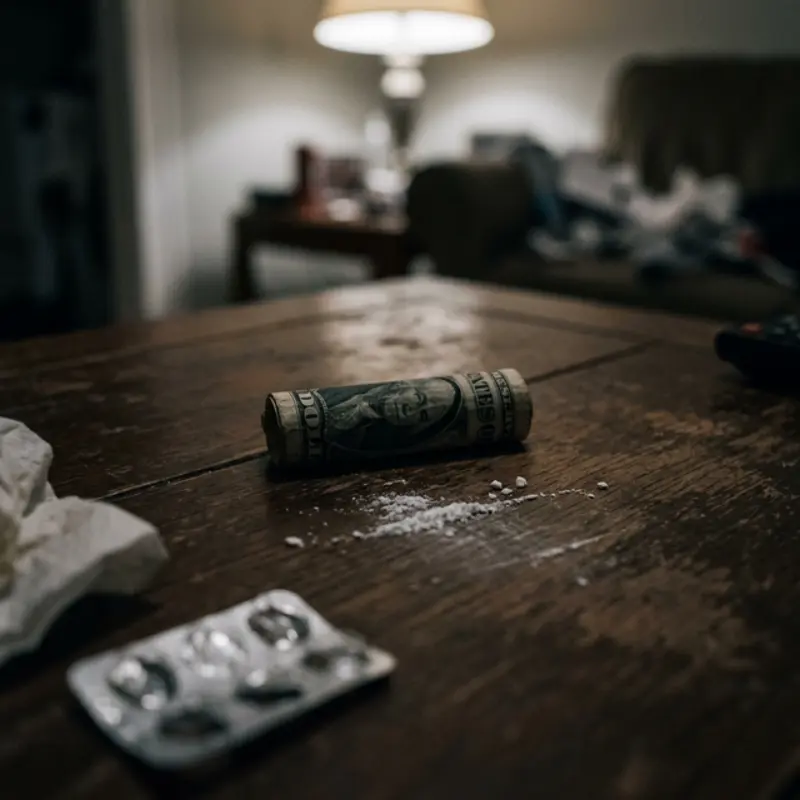
Signs include dilated pupils, excessive energy and talkativeness, decreased appetite, runny or frequently sniffing nose, white powder residue around the nostrils, mood swings (euphoria followed by irritability), financial problems, nosebleeds, and changes in sleep patterns. Paraphernalia may include small mirrors, razor blades, rolled bills, or small plastic bags.
Is cocaine laced with fentanyl?
Yes, increasingly so. Fentanyl contamination of the cocaine supply has become a serious and growing threat. Many cocaine users are unaware their supply contains fentanyl, which has led to a sharp rise in overdose deaths among stimulant users. Using fentanyl test strips before use is a critical harm reduction measure.
Sources & References
- National Institute on Drug Abuse (NIDA). Cocaine DrugFacts. nida.nih.gov
- SAMHSA. 2021 National Survey on Drug Use and Health. samhsa.gov
- CDC. Drug Overdose Deaths in the United States. cdc.gov
- DEA. Drug Fact Sheet: Cocaine. dea.gov
- Andrews P. Cocaethylene toxicity. J Addict Dis. 1997;16(3):75-84.
- NIDA. How Is Cocaine Addiction Treated? nida.nih.gov