Making the Decision
Getting clean starts with a decision — often the hardest part. Whether you've hit "rock bottom" or simply realized your substance use is no longer working for you, the decision to seek change is the foundation of recovery. You don't need to have all the answers — you just need to be willing to take the next step.
Recovery is not a linear process, and it doesn't require perfection. It requires willingness, honesty, and the courage to ask for help.
Step 1: Seek Professional Assessment
- Call SAMHSA's helpline: 1-800-662-4357 (free, confidential, 24/7)
- Contact a treatment center for an intake assessment
- Talk to your doctor about your substance use honestly
- Assessment determines the level of care you need (ASAM Criteria): detox, residential, partial hospitalization, intensive outpatient, or standard outpatient
- Insurance verification — most insurance plans cover addiction treatment under the ACA
Step 2: Medical Detox
If you're physically dependent, medical detox is the essential first step:
- Alcohol and benzodiazepine withdrawal can be life-threatening — always detox under medical supervision
- Opioid withdrawal — MAT (buprenorphine/methadone) dramatically improves safety and outcomes
- Stimulant withdrawal (cocaine, meth, Adderall) — not physically dangerous but medical monitoring helps manage severe depression
- Detox typically lasts 3–10 days depending on the substance
- Detox alone is NOT treatment — it is the foundation for treatment
Step 3: Choose a Treatment Program
| Level | Best For | Duration |
|---|---|---|
| Inpatient/Residential | Severe addiction, unsafe home environment, co-occurring disorders | 30–90+ days |
| Partial Hospitalization (PHP) | Step-down from inpatient; needs structure but can live at home or sober living | 20–30 hours/week |
| Intensive Outpatient (IOP) | Moderate addiction; needs therapy while maintaining work/school | 9–20 hours/week |
| Standard Outpatient | Mild addiction; strong support system; maintenance | 1–8 hours/week |
Step 4: Engage in Therapy
- Cognitive-Behavioral Therapy (CBT) — identifying and changing thought patterns that drive substance use
- Dialectical Behavior Therapy (DBT) — emotional regulation, distress tolerance
- Motivational Interviewing (MI) — strengthening personal motivation for change
- EMDR — processing trauma that underlies addiction
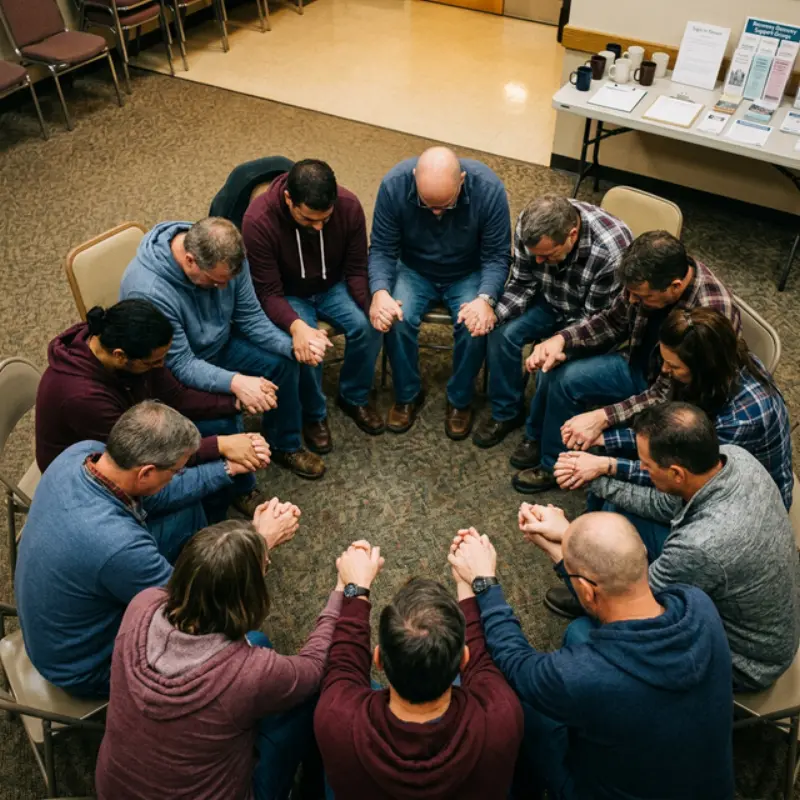
- Group therapy — peer connection, shared experience, accountability
- Family therapy — healing relationships damaged by addiction
Step 5: Build a Support Network
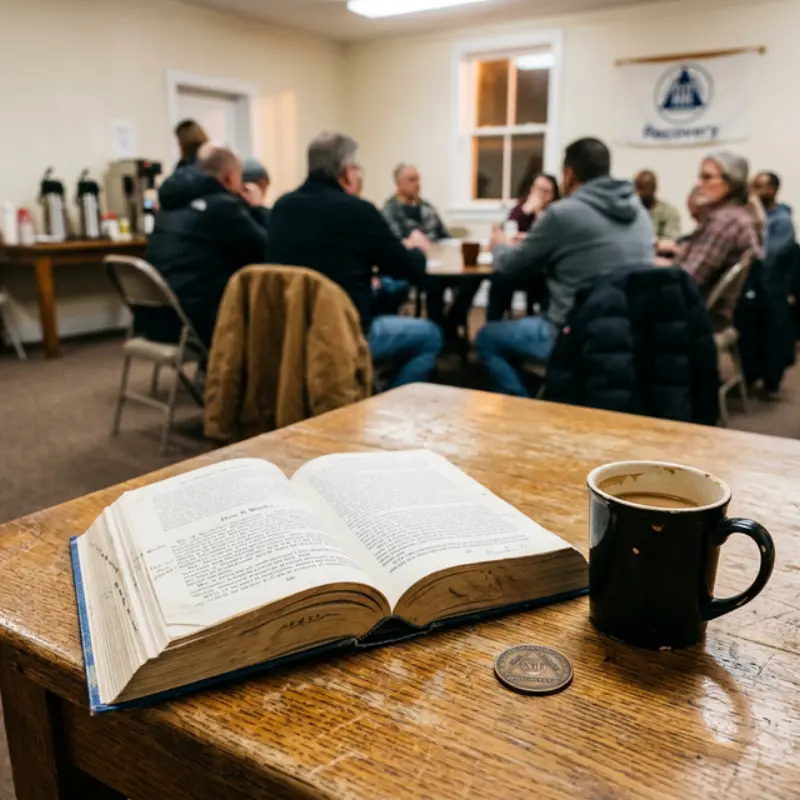
- 12-step programs — AA, NA, CA (free, widely available)
- SMART Recovery — science-based, non-12-step alternative
- Other support groups — Refuge Recovery, LifeRing, Women for Sobriety
- Sober living homes — structured living environment during early recovery
- Sponsors and mentors — experienced recovery guides
- Clean Friends — building a social network that supports sobriety
Step 6: Develop a Relapse Prevention Plan
A relapse prevention plan is a written document that includes:
- Personal triggers (people, places, emotions, situations)
- Warning signs that relapse may be approaching
- Coping strategies for each trigger
- Emergency contacts (sponsor, therapist, crisis line)
- Daily practices that support sobriety
- What to do if relapse occurs (it is not a plan for failure — it is a plan for recovery)
Step 7: Build a New Life
- Purpose — set meaningful goals beyond just "not using"
- Health — exercise, nutrition, sleep, medical care
- Employment/education — vocational assistance, GED programs, job training
- Relationships — repairing damaged relationships, building healthy new ones
- Financial recovery — budgeting, debt management, financial counseling
- Spirituality or meaning-making — whatever gives you purpose and connection
Common Obstacles
- Denial — "I can control it" / "It's not that bad"
- Fear of withdrawal — medical detox makes this manageable
- Fear of boredom — recovery involves building a rich, full life
- Toxic relationships — people who enable or encourage substance use
- Co-occurring mental health issues — untreated depression, anxiety, PTSD
- Financial barriers — free and low-cost options exist in every state
- Shame — addiction is a medical condition, not a moral failure
Frequently Asked Questions
What is the first step to getting clean?
The first step is acknowledging that you need help and making the decision to change. Practically, this means contacting a healthcare provider, calling SAMHSA's helpline (1-800-662-4357), or reaching out to a treatment center for a professional assessment. The assessment determines the appropriate level of care — detox, inpatient, outpatient, or a combination.
Can I get clean on my own without rehab?
Some people achieve sobriety without formal treatment, but the odds are significantly lower. Without professional support, relapse rates exceed 80%. At minimum, most addiction experts recommend: medical supervision for detox (especially for alcohol, opioids, and benzodiazepines), behavioral therapy, and peer support. Self-help approaches (support groups, literature, online communities) can supplement but rarely replace professional treatment.
How long does it take to get clean?
Detox takes 3–10 days depending on the substance. Treatment programs range from 30 to 90+ days. However, addiction is a chronic condition — recovery is an ongoing process, not a one-time event. Research shows that sustained recovery becomes progressively more stable after 1 year, with significant milestones at 90 days, 1 year, and 5 years of sobriety.
What if I can't afford treatment?
Options include: Medicaid (covers addiction treatment in all 50 states), state-funded treatment programs, sliding-scale fee clinics, the Affordable Care Act (requires insurance to cover substance use treatment), SAMHSA's treatment locator for free or low-cost options, nonprofit organizations, and faith-based programs. Cost should never be a barrier — free and low-cost options exist in every state.
Is it normal to be scared of getting clean?
Absolutely. Fear is one of the most common barriers to seeking treatment. Common fears include: fear of withdrawal symptoms, fear of life without the substance, fear of facing emotions or trauma, fear of failure, and fear of judgment. These fears are normal but manageable — professional treatment addresses all of them. The fear of what an addiction will ultimately cost (health, relationships, life) should outweigh the fear of treatment.
What happens in rehab?
Treatment programs typically include: detoxification (medical withdrawal management), individual therapy (CBT, DBT, EMDR), group therapy, psychoeducation about addiction, family therapy or family education, medication management (if applicable), relapse prevention planning, life skills training, aftercare planning, and often holistic approaches (exercise, meditation, nutrition). Programs vary but follow ASAM-recommended guidelines.
Do I need inpatient or outpatient treatment?
The ASAM Criteria provides guidelines. Inpatient is recommended for: severe addiction, co-occurring medical or psychiatric conditions, unstable or high-risk living environment, previous treatment failures, and substances with dangerous withdrawal (alcohol, benzodiazepines). Outpatient is appropriate for: mild to moderate substance use disorders, stable home environment, strong social support, and motivation for recovery.
What if I've tried before and failed?
Relapse does not mean failure — it means the treatment plan needs adjustment. The National Institute on Drug Abuse states that relapse rates for addiction (40–60%) are similar to other chronic diseases like diabetes, hypertension, and asthma. Each treatment attempt provides valuable information. Many people require multiple treatment episodes before achieving sustained recovery. New approaches (MAT, different therapy modalities) may be more effective.
Sources & References
- NIDA. Principles of Drug Addiction Treatment. nida.nih.gov
- SAMHSA. SAMHSA National Helpline. samhsa.gov
- McLellan AT, et al. Drug Dependence, a Chronic Medical Illness. JAMA. 2000;284(13):1689-1695.
- ASAM. The ASAM Criteria: Treatment Criteria for Addictive, Substance-Related, and Co-Occurring Conditions.