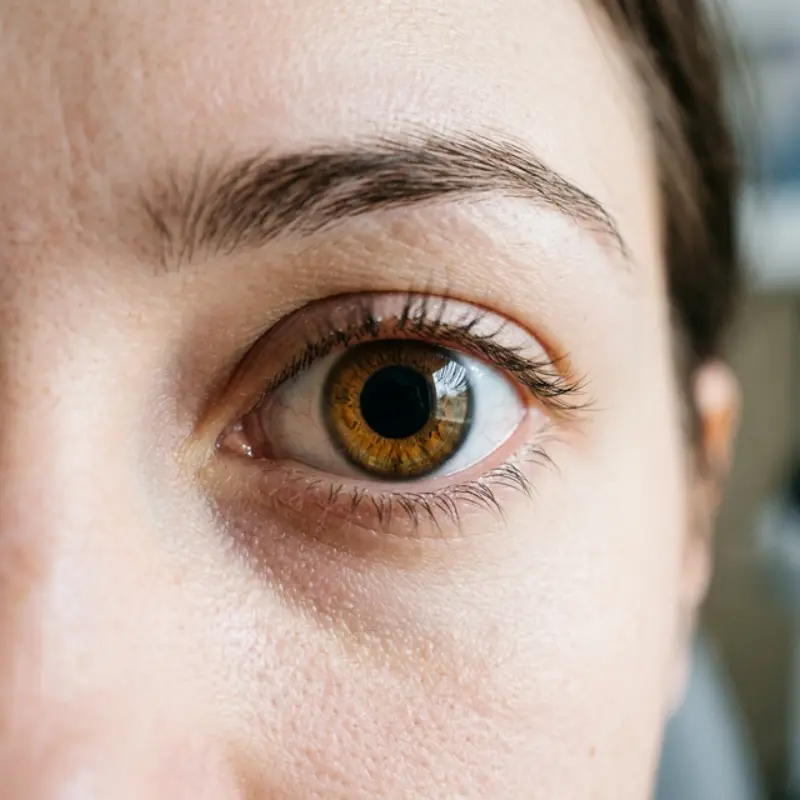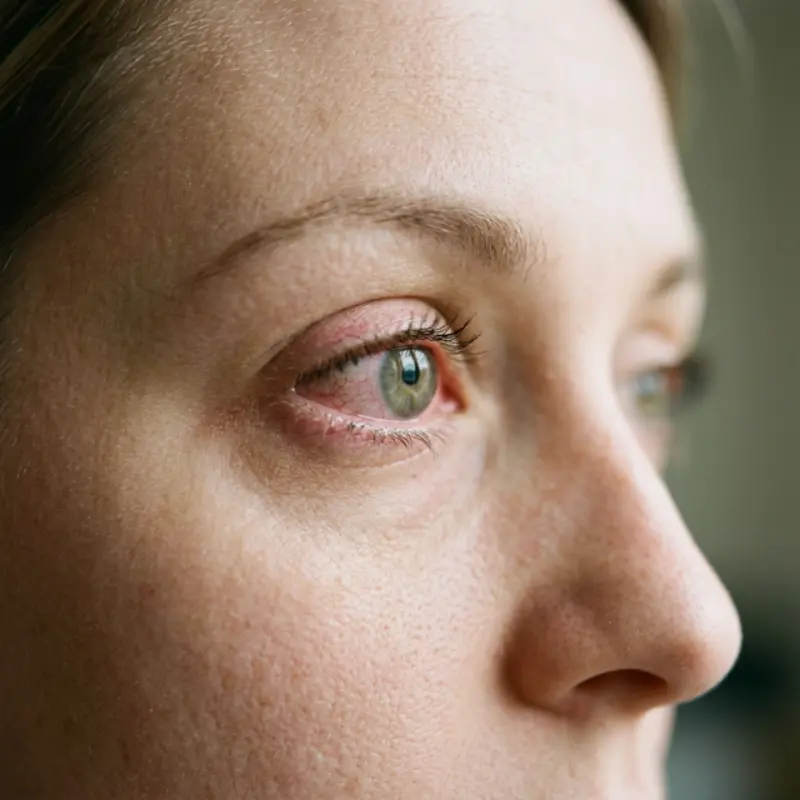
What Are Glassy Eyes?
Glassy eyes refer to a shiny, unfocused, "glazed over" appearance where the eyes look wet, reflective, and vacant. This can result from substance use, medical conditions, emotions, or fatigue. While glassy eyes alone don't confirm drug use, they are one of the most commonly noticed physical signs of intoxication.
Drug-Related Causes
- Alcohol — delays tear film evaporation, creating a wet, shiny appearance; impairs ocular muscle coordination
- Marijuana — vasodilation of blood vessels in the eyes causes redness and glossiness
- Opioids — CNS depression creates a glazed, unfocused look combined with pinpoint pupils
- MDMA/Ecstasy — dilated pupils + increased tear production creates a wide-eyed glassy look
- GHB — pronounced glassy, vacant stare
- Benzodiazepines — droopy, glossy eyes from CNS depression
- Ketamine/PCP — dissociative stare, unfocused and glassy
Non-Drug Causes
- Allergies (histamine response)
- Dry eye syndrome
- Dehydration
- Fatigue and sleep deprivation
- Crying or strong emotions
- Eye strain (screens)
- Fever and illness
- Contact lens irritation
- Certain medications (antihistamines, decongestants)
- Low blood sugar (hypoglycemia)
Glassy Eyes by Substance
| Substance | Eye Appearance | Pupil Change | Duration |
|---|---|---|---|
| Alcohol | Glassy, watery, unfocused | Slightly dilated | Hours (varies by BAC) |
| Marijuana | Glassy, red/bloodshot | Normal or slightly dilated | 2–4 hours |
| Opioids | Glazed, droopy, vacant | Pinpoint (miosis) | 4–8 hours |
| MDMA | Wide, glassy, bright | Dilated (mydriasis) | 3–6 hours |
| GHB | Vacant, glassy stare | Normal to dilated | 2–4 hours |
| Benzos | Droopy, glossy | Normal | 6–12 hours |
Other Eye Signs of Drug Use
- Dilated pupils — stimulants, MDMA, hallucinogens
- Pinpoint pupils — opioids
- Bloodshot/red eyes — marijuana, alcohol
- Rapid eye movement (nystagmus) — alcohol, PCP, ketamine
- Droopy eyelids — opioids, benzodiazepines, cannabis
- Yellow eyes (jaundice) — chronic alcohol use (liver damage)
When to Be Concerned
- Glassy eyes combined with behavioral changes (mood, sleep, appetite, social withdrawal)
- Recurring pattern — especially at specific times or after specific absences
- Combined with other physical signs — weight loss, neglected hygiene, needle marks
- Person is unresponsive or extremely drowsy — possible overdose, call 911
- If concerned about a loved one, approach with empathy, not accusation
Frequently Asked Questions
What drugs cause glassy eyes?
Alcohol is the most common cause. Marijuana causes glassy, bloodshot eyes due to vasodilation. Opioids (heroin, fentanyl, oxycodone) cause glassy eyes with distinctive pinpoint pupils. MDMA/ecstasy causes dilated pupils with a glassy appearance. GHB causes a glassy, vacant stare. Benzodiazepines and barbiturates cause droopy, glassy eyes. Ketamine causes a characteristic unfocused, glassy look.
Do glassy eyes always mean drug use?
No. Glassy eyes have many non-drug causes: allergies, dry eye syndrome, dehydration, fatigue, crying, eye strain, fever and illness, contact lens irritation, low blood sugar (hypoglycemia), and certain medications (antihistamines, eye drops). Context matters — glassy eyes combined with other behavioral changes (mood shifts, erratic behavior, changed sleep patterns) are more concerning.
How can you tell if glassy eyes are from marijuana?
Marijuana-induced glassy eyes are typically accompanied by: bloodshot/red appearance (vasodilation of conjunctival blood vessels), slightly dilated or normal-sized pupils, a relaxed or "spacey" expression, the smell of marijuana, and increased appetite. The redness and glassiness from cannabis last 2–4 hours and can be partially masked by eye drops (e.g., Visine).
Can eye drops hide glassy eyes from drug use?
Redness-reducing eye drops (like Visine) can reduce the redness associated with marijuana use but cannot fully eliminate the glassy, unfocused appearance. Eye drops do not reverse pupil changes caused by opioids (pinpoint) or stimulants (dilated). Eye drops also cannot mask other signs of impairment such as coordination problems, speech changes, or behavioral differences.
How long do glassy eyes last?
It depends on the cause. Alcohol: resolves within hours as BAC drops. Cannabis: 2–4 hours typically. Opioids: duration of the opioid effect (4–8 hours for short-acting). Allergies: can persist as long as allergen exposure continues. Fatigue: resolves with rest. If glassy eyes are persistent and chronic, this may indicate dehydration, a medical condition, or chronic substance use.
What do opioid-affected eyes look like?
Opioids cause a distinctive combination: glassy, "glazed over" appearance with pinpoint (constricted) pupils — even in dim lighting where pupils should normally dilate. The eyes may appear droopy or half-closed. This combination of glassy eyes + pinpoint pupils is one of the most reliable physical indicators of opioid use and is used by emergency responders to identify opioid overdose.
Should I confront someone about their glassy eyes?
Avoid accusatory confrontation. If you are concerned about a loved one: approach with empathy, not judgment. Express your concern without diagnosing ("I've noticed your eyes seem different lately — is everything okay?"). Focus on behavioral changes, not just physical signs. Don't rely on eyes alone — look at the full picture. If you suspect substance use, suggest they speak with a healthcare provider.
Can doctors test for drug use based on eye appearance?
Doctors assess pupils as part of a physical examination — pupil size, reactivity, and eye appearance provide clinical clues but are not diagnostic on their own. Formal drug testing requires urine, blood, saliva, or hair samples. However, law enforcement uses pupil assessment (DRE evaluations) as part of impairment testing, and emergency responders check pupils to identify overdose type (pinpoint = opioid).
Sources & References
- AAO. American Academy of Ophthalmology — Eye Health. aao.org
- DEA. Drug Fact Sheets — Physical Signs of Drug Use. dea.gov
- NIDA. Commonly Used Drugs Charts. nida.nih.gov