What Is Gabapentin?
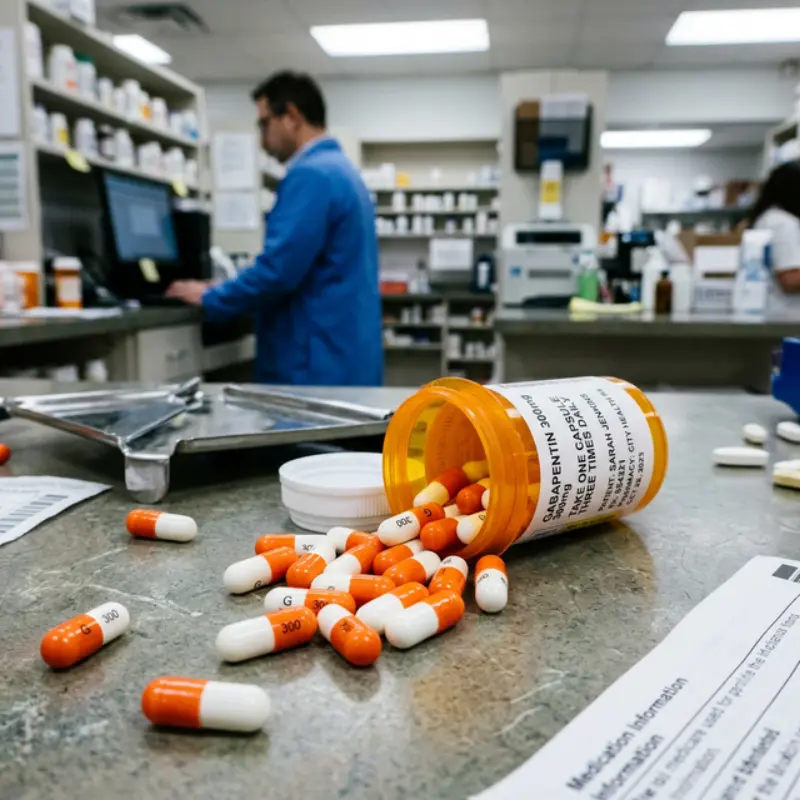
Gabapentin (brand name Neurontin) is a prescription medication originally developed as an anticonvulsant (anti-seizure drug). It was FDA-approved in 1993 and has since become one of the most prescribed medications in the United States, with over 69 million prescriptions dispensed annually — making it the 6th most prescribed drug in the country.
While gabapentin is not federally scheduled, it has attracted growing concern for misuse, particularly among people with opioid use disorders. Several states have individually classified it as a controlled substance due to rising abuse patterns.
How Gabapentin Works
Despite its name suggesting GABA activity, gabapentin does not directly act on GABA receptors. Instead, it binds to the alpha-2-delta (α2δ) subunit of voltage-gated calcium channels in the nervous system. This:
- Reduces excitatory neurotransmitter release (glutamate, norepinephrine, substance P)
- Dampens overactive nerve signals responsible for seizures and neuropathic pain
- Produces calming, anxiolytic effects at higher doses
- May indirectly increase GABA levels in certain brain regions
Medical Uses
FDA-approved uses:
- Epilepsy (adjunctive therapy for partial seizures)
- Postherpetic neuralgia (nerve pain after shingles)
Common off-label uses:
- Neuropathic pain (diabetic neuropathy, fibromyalgia)
- Anxiety disorders
- Restless leg syndrome
- Alcohol withdrawal management
- Hot flashes
- Migraine prevention
- Opioid withdrawal symptom management
Gabapentin Side Effects
Common Side Effects
- Drowsiness and fatigue
- Dizziness and coordination problems
- Blurred or double vision
- Weight gain
- Peripheral edema (swelling in hands/feet)
- Difficulty concentrating
- Tremor
Serious Side Effects
- Respiratory depression — especially when combined with opioids, benzodiazepines, or alcohol
- Suicidal thoughts — FDA black box warning for all anticonvulsants
- Severe allergic reactions (DRESS syndrome)
- Withdrawal seizures if stopped abruptly
Is Gabapentin a Controlled Substance?
Federally: No. Gabapentin is not a federally controlled substance, though the DEA has considered scheduling it.
State level: As of 2024, the following states have classified gabapentin as a Schedule V controlled substance:
- Alabama, Connecticut, Kentucky, Michigan, Minnesota, Nebraska, North Dakota, Ohio, Tennessee, Utah, Virginia, West Virginia
Learn more in the detailed guide section above for the latest state-by-state gabapentin scheduling information.
Gabapentin Misuse and Abuse
Gabapentin misuse has increased significantly. At doses above 900–1200 mg, users report:
- Mild euphoria similar to marijuana or a low dose of a benzodiazepine
- Relaxation and reduced anxiety
- Dissociative or "floaty" feelings
- Enhanced sociability
Gabapentin is particularly misused by people with opioid use disorder because it potentiates the effects of opioids, methadone, and buprenorphine. Studies show that 15–22% of people who misuse opioids also misuse gabapentin.
Gabapentin and Opioids
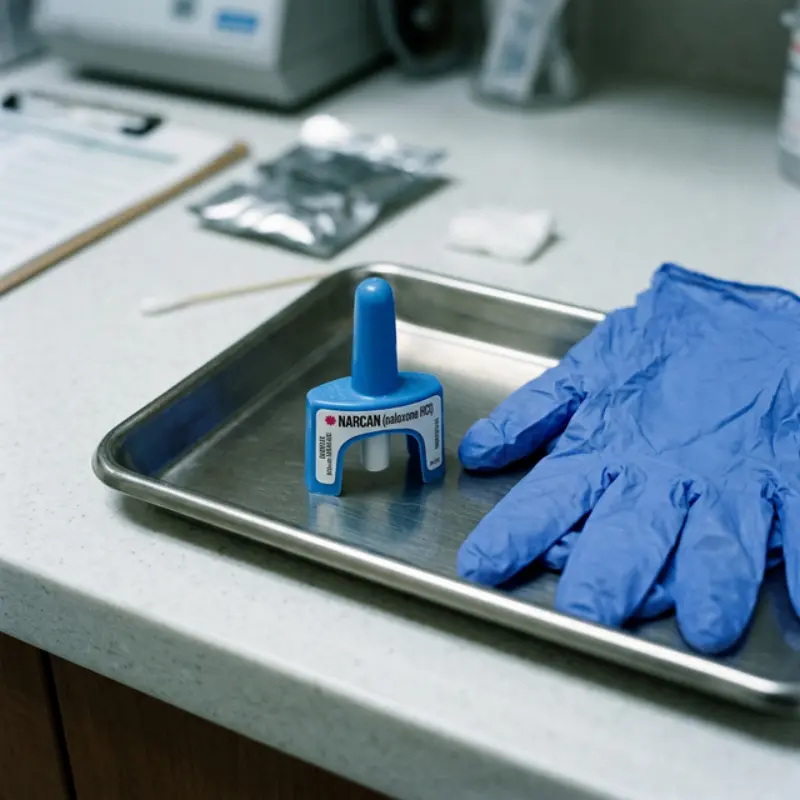
In December 2019, the FDA issued a serious warning about the risk of respiratory depression and death when gabapentinoids are used with opioids. Key findings:
- Co-use of gabapentin with opioids increases overdose death risk
- 12–18% of opioid overdose deaths involved gabapentin
- Gabapentin is frequently found in post-mortem toxicology of overdose victims
- The combination depresses breathing more than either drug alone
Gabapentin Withdrawal
Abrupt discontinuation can cause:
- Days 1–2: Anxiety, insomnia, nausea, sweating, body aches
- Days 3–5: Peak symptoms — irritability, tremor, headache, and in severe cases, seizures
- Days 6–14: Gradual improvement; lingering anxiety and sleep disturbance
Medical recommendation: Taper over at least 1 week (reducing by 300 mg every 2–3 days). Longer tapers for high-dose users.
Gabapentin Cost
| Formulation | 30-Day Supply (Generic) | Brand Name (Neurontin) |
|---|---|---|
| 100 mg (3x/day) | $4–$10 | $200+ |
| 300 mg (3x/day) | $10–$30 | $400+ |
| 600 mg (3x/day) | $15–$45 | $600+ |
| 800 mg (3x/day) | $20–$55 | $800+ |
See the detailed cost breakdown in the table above for current gabapentin pricing.
Treatment for Gabapentin Dependence
- Medical taper — gradual dose reduction under physician supervision
- Cognitive-behavioral therapy — addressing underlying anxiety or pain that drove misuse
- Integrated treatment — if co-occurring with opioid use disorder, combining gabapentin taper with MAT
- Outpatient programs — most cases can be managed outpatient
- Behavioral therapy — CBT for addressing underlying pain and coping
Gabapentin Statistics
- Over 69 million gabapentin prescriptions dispensed annually in the U.S.
- 6th most prescribed medication in the United States
- 15–22% of opioid misusers also misuse gabapentin
- 12–18% of opioid overdose deaths involved gabapentin
- Gabapentin misuse increased over 3,000% from 2008 to 2019 in Kentucky
- At least 12 states have classified it as a controlled substance
Frequently Asked Questions
Is gabapentin addictive?
While gabapentin was originally considered to have low abuse potential, evidence now shows it can be psychologically and physically addictive, especially in people with a history of substance use disorders. It produces mild euphoria at high doses and enhances the effects of opioids, leading to co-abuse. Several states have reclassified it as a controlled substance due to increasing misuse.
Is gabapentin a controlled substance?
Gabapentin is not federally classified as a controlled substance, but several states — including Kentucky, West Virginia, Tennessee, Alabama, Michigan, Virginia, and others — have designated it as a Schedule V controlled substance due to growing misuse. The DEA considered but ultimately did not schedule it federally.
Can gabapentin cause withdrawal?
Yes. Abruptly stopping gabapentin after prolonged use can cause withdrawal symptoms including anxiety, insomnia, nausea, sweating, body pain, and in severe cases, seizures. Withdrawal is more likely in people taking high doses (above 900 mg/day) for extended periods. A gradual taper over 1–2 weeks under medical supervision is recommended.
Why do people misuse gabapentin?
At higher-than-prescribed doses, gabapentin can produce mild euphoria, relaxation, and a "high" similar to marijuana or benzodiazepines. It is also commonly used to potentiate the effects of opioids, methadone, and buprenorphine. Some people use it to manage opioid withdrawal symptoms without medical supervision.
How much does gabapentin cost without insurance?
Generic gabapentin is relatively affordable. A 30-day supply of 300mg capsules (taken 3x daily) typically costs $10–$30 without insurance at most pharmacies. Brand-name Neurontin can cost significantly more. GoodRx and similar discount programs can reduce costs further. The cost of gabapentin is detailed in our gabapentin cost guide.
Is it safe to take gabapentin with opioids?
The combination of gabapentin and opioids significantly increases the risk of respiratory depression, sedation, and fatal overdose. The FDA issued a warning in 2019 about the serious breathing difficulties that can occur. Despite this, co-prescribing remains common. People taking both should be closely monitored by their physician.
What is the difference between gabapentin and pregabalin?
Both are gabapentinoids that modulate calcium channels, but pregabalin (Lyrica) is approximately 2–3 times more potent, has better oral bioavailability, and is already a Schedule V controlled substance federally. Pregabalin has higher abuse potential and produces more noticeable euphoria at recreational doses.
Can gabapentin show up on a drug test?
Gabapentin does not appear on standard drug panels (5-panel, 10-panel). However, specific gabapentin urine tests exist and are increasingly used, especially in pain management clinics and addiction treatment programs. It can be detected in urine for 2–4 days after last use.
Sources & References
- Peckham AM, et al. Gabapentin for Off-Label Use: Evidence-Based or Cause for Concern? Substance Abuse. 2018;12.
- FDA. FDA warns about serious breathing problems with gabapentinoid medicines. Dec 2019. fda.gov
- Smith RV, et al. Gabapentin misuse, abuse and diversion. Addiction. 2016;111:1160-1174.
- Evoy KE, et al. Abuse and Misuse of Pregabalin and Gabapentin. Drugs. 2017;77:403-426.
- IQVIA Institute. Medicine Use and Spending in the U.S. iqvia.com