
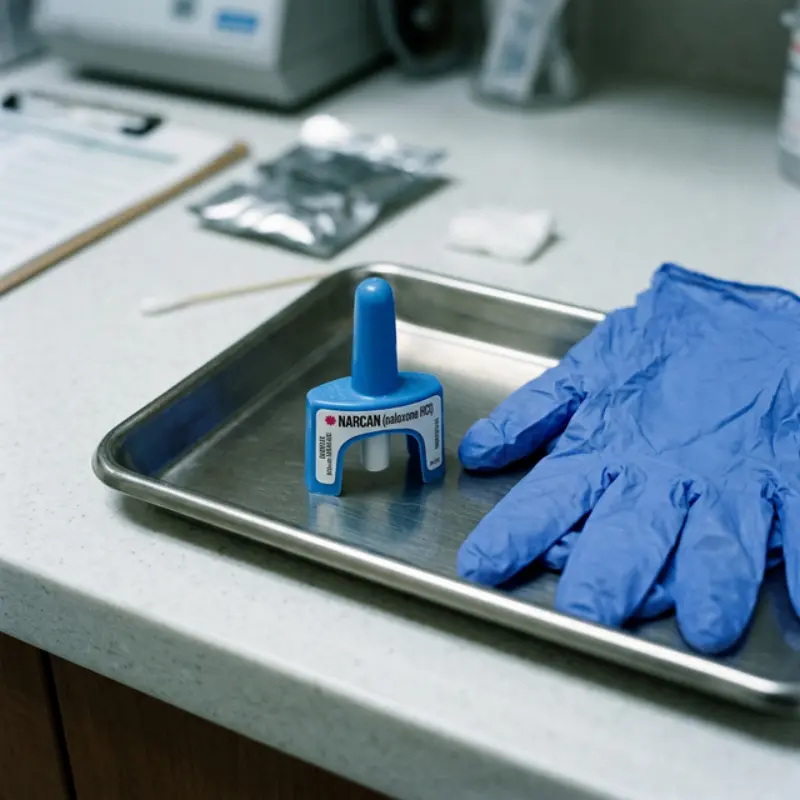
Understanding Fentanyl: Dangers, Effects, and Recovery Options
Fentanyl is one of the most potent synthetic opioids. Learn about its dangers, side effects, and the path to recovery.
Evidence-based information about commonly misused substances — their effects on the body and mind, addiction risks, and the path to recovery. Our guides are written by medical professionals and backed by data from the National Institute on Drug Abuse (NIDA) and SAMHSA.
Substance misuse affects over 46 million Americans each year. Whether it's prescription painkillers, illicit street drugs, or alcohol, addiction doesn't discriminate — it impacts people of every age, background, and socioeconomic status.
Education is the first line of defense. Understanding how substances work, what makes them dangerous, and recognizing the early signs of misuse can save lives. Our drug guides break down the science into plain language so anyone can make informed decisions about their health and the well-being of those they care about.
Each guide below covers a specific substance or drug class, including how it affects the brain and body, common street names, signs of addiction, withdrawal symptoms, and evidence-based treatment options. We also link to treatment resources and recovery guides so you can take the next step whenever you're ready.
Explore substances by classification. Each category covers effects, risks, and treatment options.
Heroin, fentanyl, prescription painkillers, and other opioid drugs
View guides →Cocaine, methamphetamine, Adderall, and other stimulant drugs
View guides →Alcohol, benzodiazepines, barbiturates, and other CNS depressants
View guides →LSD, psilocybin, MDMA, and other hallucinogenic substances
View guides →Commonly misused prescription medications
View guides →Opioids are a class of drugs that include heroin, synthetic opioids like fentanyl, and prescription pain medications such as oxycodone, hydrocodone, and morphine. They work by binding to opioid receptors in the brain, blocking pain signals and releasing large amounts of dopamine. While effective for pain management, opioids carry an extremely high risk of addiction and overdose. Fentanyl alone is responsible for the majority of overdose deaths in the United States.
Related guides: Fentanyl · Heroin · Lean (Purple Drank)
Stimulants increase activity in the central nervous system, boosting alertness, attention, and energy. This class includes illicit drugs like cocaine and methamphetamine, as well as prescription medications like Adderall and Vyvanse used to treat ADHD. While prescription stimulants are safe when taken as directed, misuse — particularly crushing, snorting, or taking higher doses — drastically increases the risk of cardiovascular events, psychosis, and addiction.
Related guides: Cocaine · Methamphetamine · Adderall
Central nervous system (CNS) depressants slow brain activity, producing sedation and relaxation. This category includes alcohol, benzodiazepines (Xanax, Valium, Ativan), barbiturates, and sleep medications like Ambien. Depressants are especially dangerous when combined with one another or with opioids, as the combined effect on respiratory function can be fatal. Withdrawal from depressants — particularly alcohol and benzodiazepines — can be life-threatening and requires medical supervision.
Related guides: Gabapentin
Hallucinogens alter perception, mood, and cognitive processes. They include classic psychedelics like LSD and psilocybin mushrooms, as well as dissociative drugs like PCP and ketamine. MDMA (Molly/Ecstasy) is often grouped here due to its hallucinogenic properties at higher doses. While hallucinogens generally have lower physical addiction potential than other drug classes, they can cause lasting psychological effects, trigger psychotic episodes, and are frequently adulterated with more dangerous substances like fentanyl.
Related guides: Molly (MDMA)
Prescription drug misuse is one of the fastest-growing substance abuse problems. Medications designed to treat legitimate conditions — including ADHD stimulants, anxiety medications, sleep aids, and pain relievers — are frequently diverted, taken in higher-than-prescribed doses, or used without a prescription. Understanding drug classes, controlled substance schedules, and costs of these medications helps patients and families make informed decisions.
Related guides: Adderall · Gabapentin
Browse our complete library of drug information and education articles.
Fentanyl is one of the most potent synthetic opioids. Learn about its dangers, side effects, and the path to recovery.

Cocaine is a powerful stimulant drug. Understand its effects on the body and mind, and learn about recovery options.
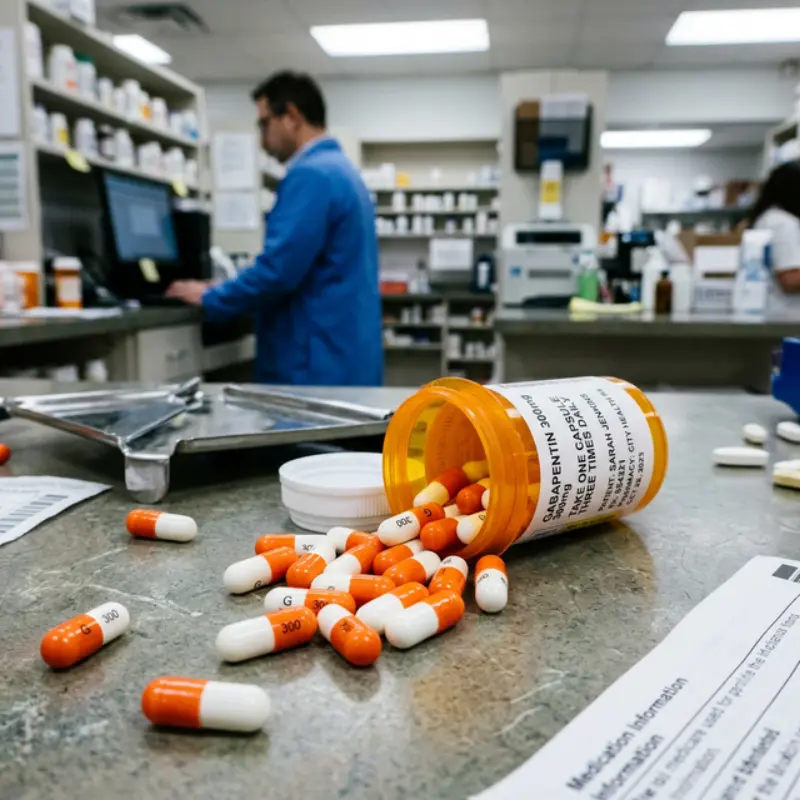
Gabapentin is increasingly misused for its sedative effects. Learn about the risks and signs of gabapentin abuse.
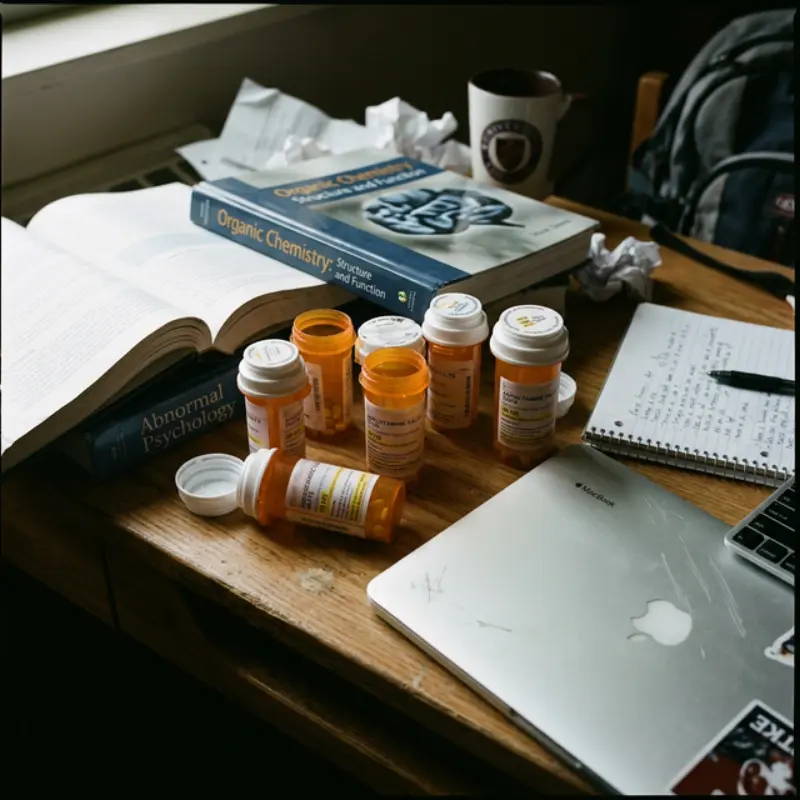
Adderall is widely prescribed but commonly misused. Learn about its effects, addiction potential, and treatment options.

Heroin is a highly addictive opioid derived from morphine. Learn about its effects, risks, and available treatments.
Answers to the most common questions about substance use, addiction, and recovery.
The most commonly misused substances in the U.S. include alcohol, marijuana, prescription opioids (such as oxycodone and hydrocodone), fentanyl, cocaine, methamphetamine, benzodiazepines (such as Xanax and Valium), and prescription stimulants like Adderall. According to SAMHSA, over 46 million Americans aged 12 or older met criteria for a substance use disorder in 2021.
Drug dependence refers to the body's physical adaptation to a substance, where withdrawal symptoms occur when use is stopped. Drug addiction (substance use disorder) is a chronic brain disorder characterized by compulsive drug seeking and use despite harmful consequences. A person can be physically dependent on a medication without being addicted — for example, someone taking prescribed blood pressure medication. Addiction involves behavioral and psychological components beyond physical dependence.
Most drugs of abuse affect the brain's reward system by flooding it with dopamine, a neurotransmitter associated with pleasure and motivation. Over time, the brain adapts by reducing its natural dopamine production and the number of dopamine receptors. This leads to tolerance (needing more of the drug to feel effects) and withdrawal symptoms when the drug is absent. Long-term drug use can also impair decision-making, memory, learning, and impulse control by altering the prefrontal cortex.
Common signs of drug use include sudden changes in behavior or mood, bloodshot or glassy eyes, dilated or constricted pupils, unexplained weight loss or gain, changes in sleep patterns, neglecting personal hygiene, financial problems, withdrawal from friends and family, decreased performance at work or school, and finding drug paraphernalia. Signs vary depending on the specific substance being used.
Yes, recovery from drug addiction is absolutely possible. Addiction is a treatable chronic condition. According to the National Institute on Drug Abuse (NIDA), treatment that combines medication-assisted therapy, behavioral counseling, and long-term follow-up care can help people stop using drugs and resume productive lives. Over 20 million Americans are currently living in recovery from substance use disorders.
If you suspect a loved one is using drugs, approach them with compassion rather than confrontation. Choose a calm, private moment to express your concerns using specific observations. Avoid blame or ultimatums. Offer to help them find professional resources. You can call SAMHSA's National Helpline at 1-800-662-4357 for free, confidential guidance available 24/7. Consider attending a support group like Al-Anon or Nar-Anon for families of people with substance use disorders.
Fentanyl is a synthetic opioid that is 50 to 100 times more potent than morphine. It is extremely dangerous because even a tiny amount (as little as 2 milligrams) can be lethal. Illicitly manufactured fentanyl is now found in counterfeit pills, heroin, cocaine, and other street drugs — often without the user's knowledge. Fentanyl is the leading driver of overdose deaths in the United States, responsible for over 70,000 deaths annually.
Detection times vary by substance and test type. In urine tests, marijuana can be detected for 3–30 days, cocaine for 2–4 days, opioids for 1–4 days, and amphetamines for 2–5 days. Hair tests can detect most substances for up to 90 days. Blood and saliva tests typically have shorter detection windows of 1–3 days. Factors like metabolism, body fat, hydration, frequency of use, and liver function all affect how long drugs remain detectable.
If you or someone you love is struggling with drug use, help is available right now. Recovery is possible — and it starts with a single step.
SAMHSA's National Helpline is free, confidential, and available 24/7, 365 days a year.