
8-Hour Time-Restricted Eating and Weight Loss
8-Hour Time-Restricted Eating and Weight Loss
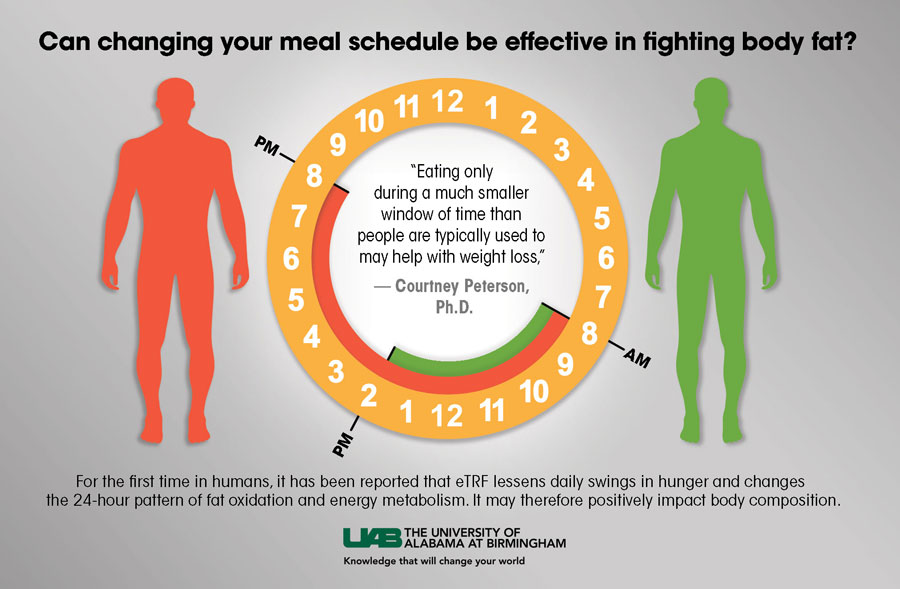
If you are trying to lose weight, meal timing can feel like one more rule piled onto an already crowded plate. The appeal of 8-hour time-restricted eating is simple. You eat during one daily window, often something like 10 a.m. to 6 p.m., then stop for the remaining 16 hours. Interest jumped after Healthline reported on research linking an 8-hour eating window with greater weight loss than a longer eating schedule. That sounds tidy, but the real question is messier. Does the clock cause the weight loss, or does the shorter window help people eat less without counting every bite? I have covered diet studies long enough to be wary of neat answers. Still, this one is worth your attention because it points to a practical behavior you can test without buying special foods, powders, or a subscription plan.
What stands out
- An 8-hour eating window may help some people reduce daily calories without formal calorie tracking.
- The benefit likely depends on food quality, protein intake, sleep, and consistency.
- Earlier eating windows may fit human metabolism better than late-night eating patterns.
- People with diabetes, pregnancy, eating disorder history, or medication needs should ask a clinician first.
What the 8-hour time-restricted eating study found
Healthline covered findings suggesting that adults who followed an 8-hour time-restricted eating plan lost more weight than those using a longer eating window. The core idea was not exotic. By narrowing the hours available for meals and snacks, participants had fewer chances to graze.
That matters because most weight loss still comes down to energy balance. The body does not ignore calories because they arrive before sunset. But timing can change behavior, and behavior is where many diets either work or fall apart.
The useful lesson is not that fasting is magic. It is that a clear eating boundary can remove dozens of small food decisions from your day.
Look, this is a lot like setting a closing time for a kitchen in a busy restaurant. Once the line shuts down, orders stop coming in. For many people, that is exactly what happens at home when the eating window closes.
Why an 8-hour time-restricted eating window may help
The strongest case for time-restricted eating is behavioral. If you usually snack after dinner, sip caloric drinks late at night, or eat breakfast before you are hungry, an 8-hour window can cut intake in a way that feels simpler than logging every gram.
There may also be metabolic reasons to avoid late eating. Research on circadian rhythm shows that the body handles glucose, digestion, and hormone signals differently across the day. Late-night meals can collide with sleep and blood sugar control, especially if the meal is large or high in refined carbohydrates.
Solid habits beat a perfect fasting app.
Still, the study should not be read as permission to ignore nutrition. You can fit plenty of ultra-processed food into 8 hours. If your window is built on pastries, chips, and takeout, the clock will not rescue the plan.
What 8-hour time-restricted eating does not prove
Diet headlines often sprint past the fine print. A study can show an association or a short-term advantage without proving that every person should follow the same schedule. Sample size, participant health, adherence, food records, and follow-up length all shape how much confidence you should place in the result.
Another issue is sustainability. Can you keep the window during travel, family dinners, shift work, and holidays? A plan that works for three months but snaps under real life pressure needs adjustment, not moral drama.
And what if skipping breakfast makes you ravenous by noon? Then your first meal may turn into a calorie pileup. Some people do better with a 10-hour window, a protein-rich breakfast, or a simple no-snacking-after-dinner rule.
How to try 8-hour time-restricted eating safely
If you want to test this approach, start with the least dramatic version. Do not jump from all-day grazing to a strict fasting schedule overnight. Your first goal is consistency, not suffering.
- Pick a realistic window. Try 10 a.m. to 6 p.m. or 11 a.m. to 7 p.m. Choose hours that match work, training, and family meals.
- Prioritize protein. Build each meal around eggs, Greek yogurt, fish, chicken, tofu, beans, or lean meat. Protein helps protect muscle during weight loss.
- Keep fiber high. Add vegetables, fruit, oats, lentils, or whole grains. Fiber makes the eating window feel less cramped.
- Drink during the fasting period. Water, plain tea, and black coffee are common choices. Watch sweetened drinks, creamers, and alcohol because they can erase the calorie gap.
- Track outcomes, not vibes. Check weight trends, waist measurement, sleep, hunger, mood, and workout quality for two to four weeks.
People with type 1 or type 2 diabetes, a history of eating disorders, pregnancy, breastfeeding, low body weight, or medications that must be taken with food should get medical guidance first. That is not a throwaway caution. Fasting can affect blood sugar, appetite cues, and medication timing.
Best foods for an 8-hour time-restricted eating plan
The eating window should feel structured, not chaotic. Most people do well with two meals and one planned snack, or three smaller meals. The exact pattern matters less than the total quality of the food.
- First meal: Greek yogurt with berries and nuts, eggs with vegetables, or tofu scramble with whole grain toast.
- Main meal: Salmon, chicken, beans, or tempeh with vegetables and potatoes, rice, or quinoa.
- Snack: Cottage cheese, fruit, hummus with vegetables, or a protein smoothie without much added sugar.
- Limit: Liquid calories, frequent desserts, fried snacks, and late-window overeating.
Here is the thing. If your meals are too small early in the window, hunger will collect interest by dinner. Build plates that include protein, fiber, and some fat so the plan does not turn into an evening raid on the pantry.
Who may benefit most from 8-hour time-restricted eating?
This approach may fit you if your main issue is nighttime snacking, irregular meals, or constant grazing. It can also work for people who dislike calorie counting but do well with bright-line rules. Simple boundaries can be useful.
It may fit poorly if you train hard in the morning, work variable shifts, need frequent meals for medical reasons, or feel anxious around food rules. In those cases, a broader eating window with higher food quality may be the better bet.
As a tech journalist, I have seen the same pattern in health gadgets and diet trends. The tool gets the attention, but the boring system does the work. For time-restricted eating, the system is sleep, protein, fiber, movement, and a window you can repeat.
The smarter next step
Try 8-hour time-restricted eating for 14 days if it fits your health status and schedule. Keep the experiment plain. Same window most days, solid meals, no late-night calories, and honest tracking.
If your hunger drops, sleep holds steady, and weight trends down, you may have found a useful structure. If it turns meals into a daily tug-of-war, widen the window and keep the parts that worked. The best diet rule is the one you can live with when nobody is watching.
Sources
This article was medically reviewed and draws from peer-reviewed research and clinical guidelines published by:
- National Institute on Drug Abuse (NIDA)
- Substance Abuse and Mental Health Services Administration (SAMHSA)
- Centers for Disease Control and Prevention (CDC)
- MedlinePlus — U.S. National Library of Medicine
Content is reviewed for medical accuracy by our editorial team. Last reviewed: October 2, 2026.
Medical Disclaimer: This article is for educational purposes only. It is not a substitute for professional medical advice, diagnosis, or treatment. Always consult a qualified healthcare provider before making changes to your treatment plan. If you are experiencing a medical emergency, call 911 immediately. For substance use support, call SAMHSA at 1-800-662-4357 (free, confidential, 24/7).