
Detox Centers: What to Expect During Medical Detox
What is Medical Detox?
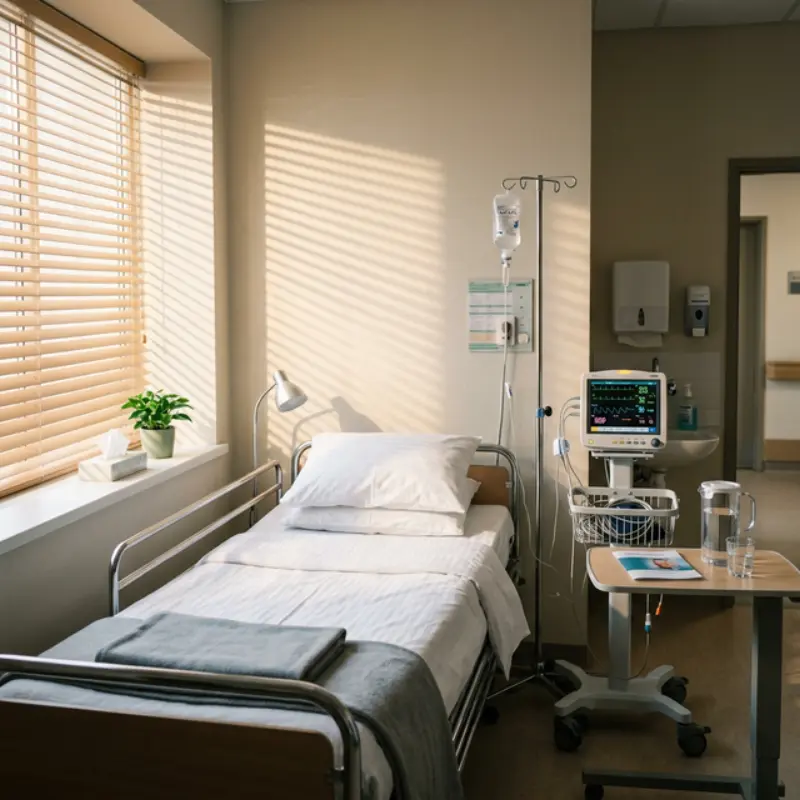
Medical detoxification is a supervised process of safely withdrawing from drugs or alcohol under professional medical care. Detox manages the physical symptoms of withdrawal while protecting your safety. It is the critical first step in addiction treatment, not a standalone cure.
Attempting detox without medical supervision is dangerous for certain substances, particularly alcohol, benzodiazepines, and opioids. Medical detox provides 24/7 monitoring, medication management, and the clinical expertise needed to navigate withdrawal safely.
Key Facts About Medical Detox
- Medical detox typically lasts 3 to 10 days, depending on the substance and severity of dependence
- Detox addresses the physical aspects of addiction. Treatment (therapy, counseling, support) addresses the psychological and behavioral aspects.
- Alcohol and benzodiazepine withdrawal can be life-threatening without medical supervision
- SAMHSA identifies medically managed withdrawal as the appropriate first step for people with moderate to severe physical dependence
"Detoxification is not in itself 'treatment,' but only the first step in the treatment process. Patients who do not receive further treatment after detoxification usually resume their substance use." - Substance Abuse and Mental Health Services Administration (SAMHSA)
Types of Detox Centers
Hospital-Based Detox
Hospital detox programs operate within medical facilities and provide the highest level of medical care. This setting is best for:
- People at risk for severe withdrawal complications (seizures, delirium tremens)
- People with serious co-occurring medical conditions
- People withdrawing from multiple substances simultaneously
- Elderly patients or those with compromised immune systems
Standalone Residential Detox
Dedicated detox facilities provide 24/7 medical monitoring in a less clinical environment than a hospital. Most people seeking detox receive care at this level. These centers offer:
- Round-the-clock nursing care and medical oversight
- Medication management for withdrawal symptoms
- Comfortable, recovery-focused environment
- Direct connection to ongoing treatment programs
Outpatient Detox
Outpatient detox allows you to receive medication and monitoring through daily or near-daily clinic visits while living at home. This option works for:
- Mild to moderate withdrawal (typically opioid withdrawal managed with buprenorphine)
- People with strong support systems at home
- People unable to leave work or family obligations
What to Expect During Medical Detox
Step 1: Intake Assessment
Your detox begins with a comprehensive evaluation:
- Complete medical history and physical examination
- Blood work and toxicology screening
- Mental health assessment
- Substance use history: drugs used, amounts, frequency, and length of use
- Previous withdrawal experiences and any complications
Step 2: Stabilization
Medical staff administer medications to manage withdrawal symptoms and prevent complications:
- Vital signs monitored every 1 to 4 hours (heart rate, blood pressure, temperature, respiratory rate)
- Standardized withdrawal assessment scales (CIWA-Ar for alcohol, COWS for opioids) guide medication dosing
- IV fluids and nutritional supplements as needed
- 24/7 nursing care with physician availability
Step 3: Transition to Treatment
As withdrawal symptoms resolve, your care team develops an ongoing treatment plan:
- Referral to inpatient rehabilitation, intensive outpatient program (IOP), or outpatient treatment
- Initiation of medication-assisted treatment (MAT) if appropriate
- Connection with therapists, counselors, and support groups
- Discharge planning and follow-up appointments
Medications Used in Detox
Alcohol Detox Medications
- Benzodiazepines (diazepam, lorazepam, chlordiazepoxide): prevent seizures and manage anxiety, the standard of care for alcohol withdrawal
- Anticonvulsants (carbamazepine, gabapentin): alternative or supplementary seizure prevention
- Thiamine (Vitamin B1): prevents Wernicke-Korsakoff syndrome
- Folate and multivitamins: correct nutritional deficiencies common in chronic alcohol use
Opioid Detox Medications
- Buprenorphine (Suboxone, Subutex): reduces cravings and withdrawal symptoms. Can be continued as maintenance medication after detox.
- Methadone: full opioid agonist used for severe opioid dependence, dispensed at licensed clinics
- Clonidine: manages anxiety, sweating, rapid heart rate, and agitation
- Loperamide: controls diarrhea
- Ondansetron (Zofran): manages nausea and vomiting
Benzodiazepine Detox Medications
- Long-acting benzodiazepines (diazepam): gradual taper over weeks to months
- Benzodiazepine detox requires the slowest, most careful taper of any substance. Abrupt cessation can cause seizures and death.
Stimulant Detox
No specific medications are FDA-approved for stimulant withdrawal. Treatment focuses on supportive care:
- Sleep aids for insomnia
- Nutritional support
- Monitoring for depression and suicidal ideation
Detox Timelines by Substance
- Alcohol: 3 to 7 days for acute withdrawal. DT risk peaks at 48 to 72 hours.
- Opioids (heroin, fentanyl): 5 to 10 days for acute withdrawal
- Benzodiazepines: 2 to 8 weeks for a safe, gradual taper
- Stimulants (cocaine, methamphetamine): 3 to 5 days for the crash phase, 1 to 2 weeks for acute withdrawal
- Cannabis: 1 to 2 weeks for acute symptoms
How to Choose a Detox Center
- Medical staffing: 24/7 nursing with physician oversight is essential
- Accreditation: look for Joint Commission (JCAHO) or CARF accreditation
- Connection to treatment: the best detox centers provide a seamless transition to ongoing treatment. Detox without follow-up treatment has very low long-term success rates.
- Substance specialization: some centers specialize in specific substances (opioids, alcohol) and have deeper expertise
- Insurance acceptance: verify your coverage before admission
- Dual diagnosis capability: important if you have co-occurring mental health conditions
Paying for Detox
- Private insurance: most plans cover medical detox under the Mental Health Parity and Addiction Equity Act
- Medicaid and Medicare: cover detox at qualifying facilities
- State-funded programs: every state operates publicly funded detox programs for uninsured residents
- Sliding scale: many nonprofit detox centers adjust fees based on income
What Comes After Detox?
Detox clears substances from your body. It does not treat addiction. Without follow-up treatment, relapse rates are extremely high. After detox, the recommended path includes:
- Inpatient rehabilitation (30 to 90 days) for severe substance use disorders
- Intensive outpatient programs (IOP) for moderate cases with stable housing
- Medication-assisted treatment (MAT) for opioid and alcohol use disorders
- Individual and group therapy to address the root causes of addiction
- Support groups (AA, NA, SMART Recovery) for ongoing peer support
Get Help Now
Medical detox is the safest way to begin your recovery. Withdrawal does not have to be dangerous or unbearable. Professional medical care makes the process manageable.
Call SAMHSA's National Helpline at 1-800-662-4357 for free, confidential help finding a detox center near you, 24/7.
Sources
This article was medically reviewed and draws from peer-reviewed research and clinical guidelines published by:
- National Institute on Drug Abuse (NIDA)
- Substance Abuse and Mental Health Services Administration (SAMHSA)
- Centers for Disease Control and Prevention (CDC)
- MedlinePlus — U.S. National Library of Medicine
Content is reviewed for medical accuracy by our editorial team. Last reviewed: December 8, 2025.
Medical Disclaimer: This article is for educational purposes only. It is not a substitute for professional medical advice, diagnosis, or treatment. Always consult a qualified healthcare provider before making changes to your treatment plan. If you are experiencing a medical emergency, call 911 immediately. For substance use support, call SAMHSA at 1-800-662-4357 (free, confidential, 24/7).
Related Articles

Therapy Options for Addiction Treatment
From CBT to motivational interviewing, explore the most effective therapy approaches for addiction recovery.

Inpatient Rehab: What to Expect and How to Choose
Inpatient rehabilitation provides 24/7 care in a structured environment. Learn what to expect and how to find the right program.

Outpatient Rehab: Flexible Treatment for Recovery
Outpatient rehab allows you to receive treatment while maintaining daily responsibilities. Learn if it's right for you.