
How to Get Clean: A Step-by-Step Recovery Guide

Acknowledging the Problem
The first step in getting clean is acknowledging that substance use has become a problem. This doesn't mean hitting "rock bottom" — it means recognizing that substances are negatively impacting your life.
Seeking Professional Help
Recovery is not something you have to do alone. Professional treatment providers can offer medical detox, therapy, and ongoing support.
Building a Support System
Surround yourself with people who support your recovery. This might include family, friends, support groups, or a sponsor.
Creating New Habits
Recovery involves replacing old habits with new, healthy ones. Exercise, meditation, journaling, and creative activities can all support your sobriety.
Maintaining Long-term Recovery
Recovery is a lifelong journey. Developing coping strategies, attending regular meetings, and staying connected to your support system are key to maintaining sobriety.
Sources
This article was medically reviewed and draws from peer-reviewed research and clinical guidelines published by:
- National Institute on Drug Abuse (NIDA)
- Substance Abuse and Mental Health Services Administration (SAMHSA)
- Centers for Disease Control and Prevention (CDC)
- MedlinePlus — U.S. National Library of Medicine
Content is reviewed for medical accuracy by our editorial team. Last reviewed: December 1, 2025.
Medical Disclaimer: This article is for educational purposes only. It is not a substitute for professional medical advice, diagnosis, or treatment. Always consult a qualified healthcare provider before making changes to your treatment plan. If you are experiencing a medical emergency, call 911 immediately. For substance use support, call SAMHSA at 1-800-662-4357 (free, confidential, 24/7).
Related Articles

Relapse Prevention: Strategies for Long-term Sobriety
Relapse is common but preventable. Learn evidence-based strategies to maintain your sobriety long-term.
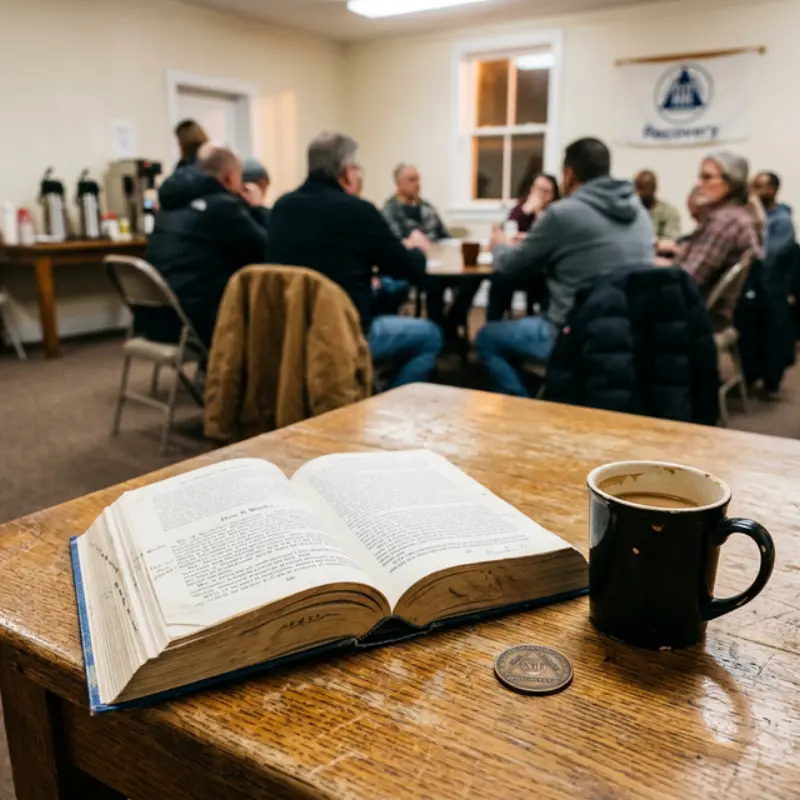
The 12-Step Program: A Beginner's Guide
The 12-Step program has helped millions achieve sobriety. Learn about its principles, steps, and how to get started.
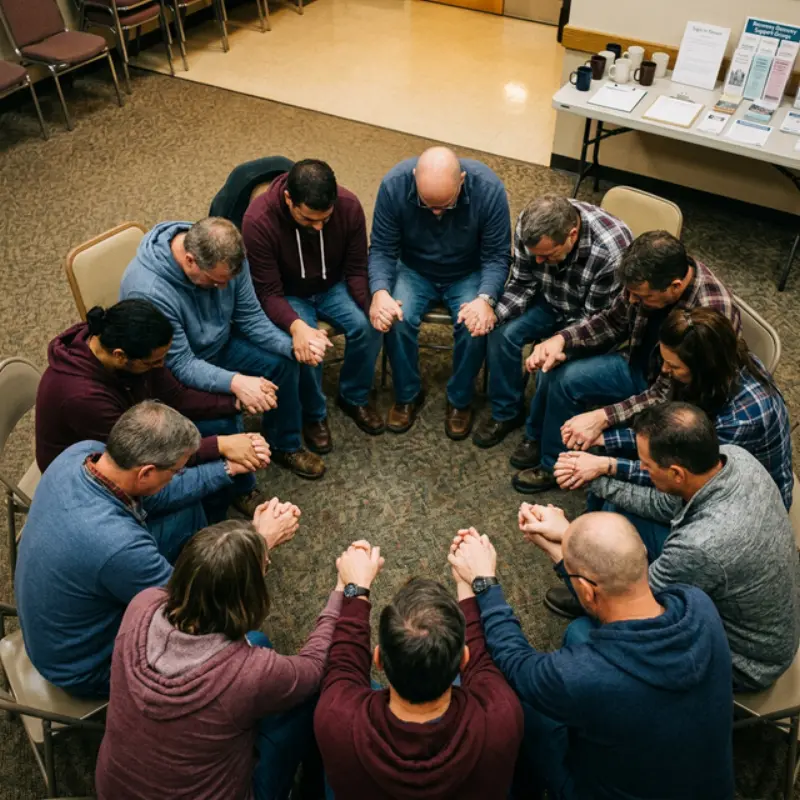
Support Groups: Finding Community in Recovery
Support groups provide connection and accountability in recovery. Explore different types and find the right fit.