
Understanding Fentanyl: Dangers, Effects, and Recovery Options
What is Fentanyl?
Fentanyl is a synthetic opioid 50 to 100 times more potent than morphine. Pharmaceutical companies originally developed fentanyl to treat severe pain in cancer patients. Today, illegally manufactured fentanyl drives the opioid overdose crisis across the United States. The CDC reported over 73,000 fentanyl-related overdose deaths in 2022 alone.
Understanding fentanyl's dangers, how the drug affects your body, and your available recovery options gives you the knowledge to protect yourself and the people around you.
Critical Facts About Fentanyl
- Fentanyl is 50 to 100 times stronger than morphine and roughly 50 times stronger than heroin
- A dose as small as 2 milligrams, about the size of a few grains of salt, is enough to kill
- Illegally manufactured fentanyl is now the leading cause of overdose deaths in Americans aged 18 to 45
- Medication-assisted treatment (MAT) is the most effective approach for fentanyl addiction recovery
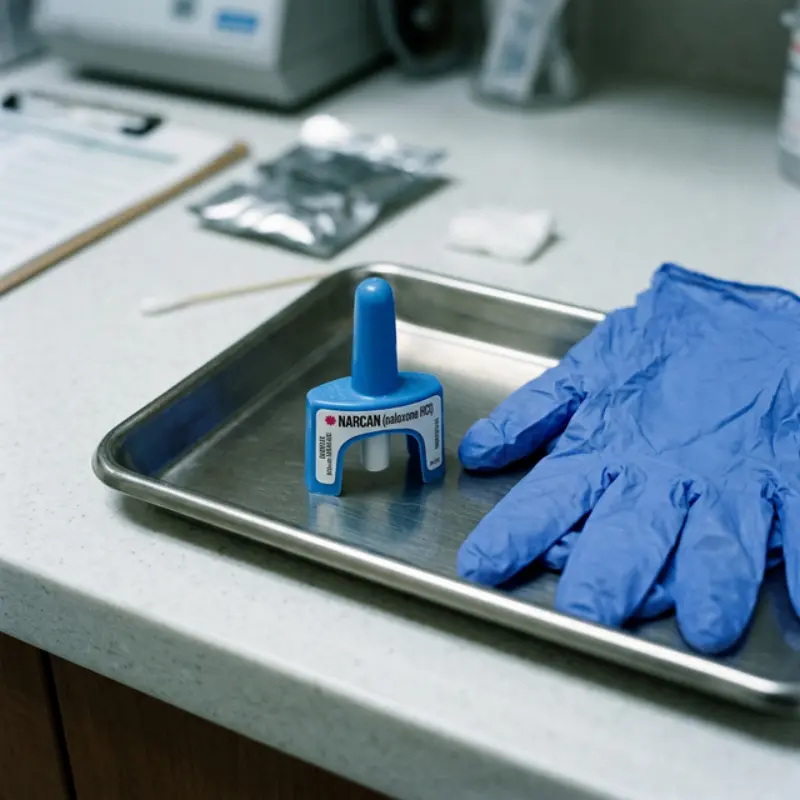
- Naloxone (Narcan) reverses fentanyl overdoses when administered quickly enough
How Fentanyl Affects Your Body
Fentanyl binds to opioid receptors in your brain. These receptors control pain perception and emotions. The drug floods your system with dopamine, creating intense euphoria. Your brain quickly adapts to this surge and demands higher doses to achieve the same effect.
Short-term Effects
Within minutes of use, fentanyl produces the following effects:
- Extreme euphoria followed by drowsiness
- Respiratory depression, where breathing slows to dangerous levels
- Nausea, vomiting, and confusion
- Constricted pupils and flushed skin
- Muscle rigidity, especially in the chest wall
Long-term Effects
Prolonged fentanyl use damages your body in multiple ways:
- Physical dependence develops within days of regular use
- Tolerance forces users to take increasingly larger doses
- Chronic constipation and gastrointestinal damage
- Weakened immune system function
- Cognitive decline, including memory loss and impaired decision-making
- Hormonal imbalances affecting reproductive health
Why Fentanyl Is So Dangerous
Fentanyl's extreme potency makes dosing nearly impossible outside a medical setting. Street fentanyl is mixed unevenly into pills and powders. One pill from the same batch might contain a harmless amount while the next contains a lethal dose.
Drug dealers frequently press fentanyl into counterfeit prescription pills designed to look like OxyContin, Xanax, or Adderall. Users often have no idea they are consuming fentanyl. The DEA has found fentanyl in 6 out of 10 counterfeit pills seized nationwide.
"Fentanyl is the single deadliest drug threat our nation has ever encountered." - DEA Administrator Anne Milgram, 2022
Signs of Fentanyl Addiction
Recognizing fentanyl addiction early saves lives. Watch for these behavioral and physical warning signs:
- Using larger amounts or using more frequently than intended
- Spending significant time obtaining, using, or recovering from the drug
- Neglecting work, school, or family responsibilities
- Continuing use despite relationship problems or health issues
- Failed attempts to cut back or stop
- Withdrawal symptoms when not using, including muscle aches, insomnia, anxiety, and sweating
If you recognize these signs in yourself or someone you care about, professional treatment offers the safest path forward.
Fentanyl Overdose: Recognizing and Responding
A fentanyl overdose shuts down your body's ability to breathe. Knowing the signs allows you to respond immediately.
Overdose Warning Signs
- Slow, shallow breathing or no breathing at all
- Blue or grayish lips and fingertips (cyanosis)
- Pinpoint pupils
- Gurgling or choking sounds
- Limp body and unresponsiveness
- Cold, clammy skin
How to Respond
- Call 911 immediately. Most states have Good Samaritan laws protecting callers from drug-related charges.
- Administer naloxone (Narcan) if available. Fentanyl overdoses often require multiple doses.
- Perform rescue breathing if the person has stopped breathing.
- Place the person on their side in the recovery position to prevent choking.
- Stay with them until emergency responders arrive.
Recovery Options for Fentanyl Addiction
Fentanyl addiction is treatable. Evidence-based programs combine medication, therapy, and ongoing support for the best outcomes.
Medication-Assisted Treatment (MAT)
MAT is the gold standard for opioid addiction treatment. The FDA has approved three medications:
- Buprenorphine (Suboxone) reduces cravings and withdrawal symptoms without producing a high. Doctors prescribe buprenorphine in office settings, making access straightforward.
- Methadone is dispensed through certified opioid treatment programs. Methadone stabilizes brain chemistry and blocks the euphoric effects of opioids.
- Naltrexone (Vivitrol) blocks opioid receptors entirely. Patients must complete detox before starting naltrexone.
Research published in the New England Journal of Medicine shows MAT reduces opioid overdose deaths by 50% or more.
Behavioral Therapy
Therapy addresses the psychological roots of addiction:
- Cognitive-behavioral therapy (CBT) helps you identify and change thought patterns driving drug use
- Contingency management uses positive reinforcement to encourage sobriety
- Motivational interviewing strengthens your personal motivation for change
Levels of Care
Treatment programs match your needs based on addiction severity:
- Medical detox (3 to 7 days) safely manages withdrawal symptoms under 24/7 supervision
- Inpatient rehab (28 to 90 days) provides structured, residential treatment
- Intensive outpatient programs offer flexibility for those with work or family obligations
- Aftercare and sober living provide ongoing support after primary treatment
Taking the First Step Toward Recovery
Fentanyl addiction does not define your future. Thousands of people recover from opioid addiction every year with proper treatment and support. The process begins with one action: reaching out for help.
Call SAMHSA's National Helpline at 1-800-662-4357 for free, confidential treatment referrals 24 hours a day, 7 days a week. You do not need insurance to call. The helpline connects you with local treatment centers, support groups, and community resources in your area.
If someone near you is at risk, keep naloxone (Narcan) accessible. Many pharmacies dispense naloxone without a prescription. Your preparedness saves lives.
Sources
This article was medically reviewed and draws from peer-reviewed research and clinical guidelines published by:
- National Institute on Drug Abuse (NIDA)
- Substance Abuse and Mental Health Services Administration (SAMHSA)
- Centers for Disease Control and Prevention (CDC)
- MedlinePlus — U.S. National Library of Medicine
Content is reviewed for medical accuracy by our editorial team. Last reviewed: December 15, 2025.
Medical Disclaimer: This article is for educational purposes only. It is not a substitute for professional medical advice, diagnosis, or treatment. Always consult a qualified healthcare provider before making changes to your treatment plan. If you are experiencing a medical emergency, call 911 immediately. For substance use support, call SAMHSA at 1-800-662-4357 (free, confidential, 24/7).
Related Articles
Heroin: Understanding the Drug and Its Impact
Heroin is a highly addictive opioid derived from morphine. Learn about its effects, risks, and available treatments.
Recognizing Overdose Signs: What You Need to Know
Knowing the signs of an overdose can save a life. Learn how to recognize and respond to drug overdose emergencies.

Cocaine: Effects, Risks, and Path to Recovery
Cocaine is a powerful stimulant drug. Understand its effects on the body and mind, and learn about recovery options.