
Heroin: Understanding the Drug and Its Impact

What is Heroin?
Heroin is a highly addictive opioid drug synthesized from morphine, a natural substance extracted from the seed pods of opium poppy plants. Users inject, smoke, or snort heroin to produce an intense rush of euphoria. The National Institute on Drug Abuse estimates approximately 1.1 million Americans used heroin in 2021. Heroin use carries extreme risks of overdose, infectious disease, and death.
Learning how heroin affects your body, recognizing the signs of addiction, and understanding treatment options gives you the information needed to save a life, whether yours or someone you care about.
Critical Facts About Heroin
- Heroin binds to opioid receptors 2 to 4 times faster than morphine, creating a more intense and rapid high
- Nearly 80% of people who use heroin first misused prescription opioids, according to NIDA
- Heroin-involved overdose deaths reached over 9,000 in 2021, and many involved fentanyl contamination
- Medication-assisted treatment (MAT) with methadone or buprenorphine reduces heroin overdose deaths by 50% or more
How Heroin Affects Your Body
Heroin rapidly crosses the blood-brain barrier and converts back into morphine. The drug binds to opioid receptors in areas controlling pain, pleasure, heart rate, breathing, and sleep.
The Heroin "Rush"
Injecting heroin produces a surge of euphoria within seconds. Smoking or snorting heroin delivers the effect slightly slower but still produces a strong high. Users describe the rush as a warm wave of pleasure spreading through the body, followed by hours of drowsy relaxation.
Short-term Effects
- Intense euphoria and a sense of warmth
- Dry mouth and heavy limbs
- Clouded thinking and impaired judgment
- Nausea and vomiting (especially in first-time users)
- Respiratory depression: breathing slows to dangerous levels
- Alternating between wakeful and drowsy states ("nodding")
Long-term Effects
Chronic heroin use causes widespread damage to your body:
- Collapsed veins from repeated injection
- Heart valve infections (endocarditis) from injecting with contaminated needles
- Liver and kidney disease
- Lung complications, including pneumonia
- Increased risk of HIV, hepatitis B, and hepatitis C from needle sharing
- Chronic constipation and abdominal cramping
- Brain white matter deterioration, affecting decision-making and stress response
"Heroin addiction is a chronic relapsing brain disease. Effective treatment requires long-term management, not a single episode of care." - National Institute on Drug Abuse
The Link Between Prescription Opioids and Heroin
The path from prescription painkillers to heroin is well documented. When prescription opioid access is cut off, whether by a doctor, pharmacy restrictions, or cost, some users turn to heroin as a cheaper and more accessible alternative.
Street heroin costs a fraction of prescription opioids. A single OxyContin pill might cost $30 to $80 on the street. A dose of heroin costs $5 to $10. This price difference drives many people from prescription misuse to heroin.
Heroin and Fentanyl Contamination
Much of the heroin supply in the United States now contains fentanyl. Fentanyl is 50 to 100 times more potent than morphine. Users expecting a standard heroin dose receive a lethal amount of fentanyl instead.
This contamination is the primary reason heroin overdose deaths have climbed despite heroin use rates remaining relatively stable. Fentanyl test strips provide one layer of protection, but they do not eliminate the risk entirely.
Signs of Heroin Addiction
Heroin addiction escalates quickly. The drug creates physical dependence within days to weeks of regular use. Watch for these signs:
- Track marks or bruises on arms, legs, or between fingers and toes
- Possession of paraphernalia: syringes, burnt spoons, small bags of white or brown powder
- Dramatic weight loss and neglect of personal hygiene
- Withdrawal from family, friends, and activities
- Financial problems, borrowing money, or stealing
- "Nodding off" at inappropriate times
- Constricted (pinpoint) pupils
Heroin Overdose: What to Watch For
A heroin overdose is a medical emergency. Act immediately when you see these signs:
- Slow, shallow, or stopped breathing
- Blue or grayish lips and fingernails
- Pinpoint pupils
- Gurgling or choking sounds
- Unresponsiveness to stimulation
- Pale, cold, clammy skin
Emergency Response Steps
- Call 911 immediately
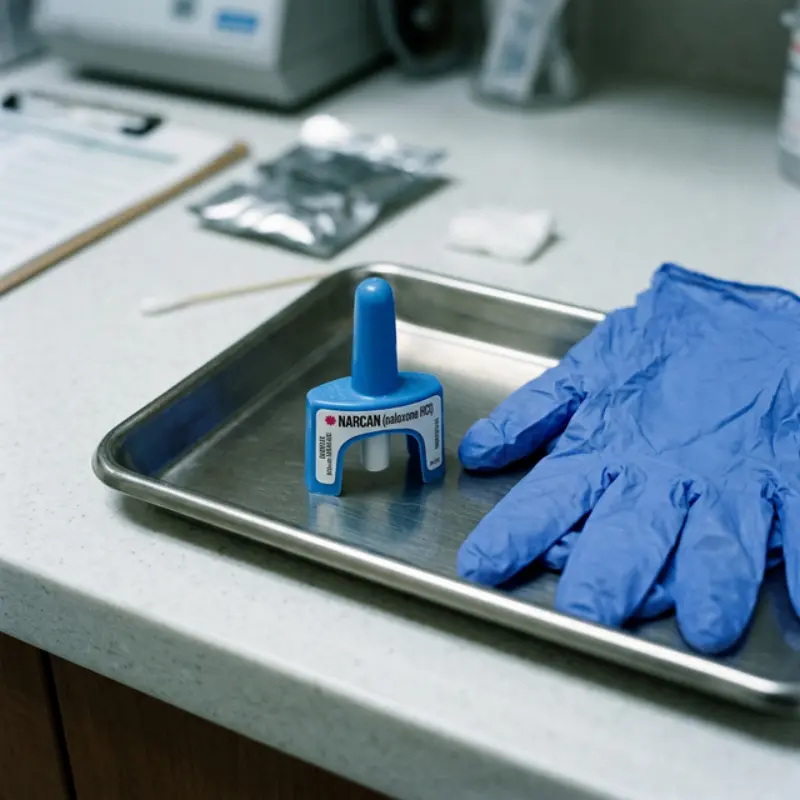
- Administer naloxone (Narcan) if available. Give a second dose after 2 to 3 minutes if the person does not respond.
- Place the person on their side to prevent choking
- Perform rescue breathing if trained to do so
- Stay with the person until help arrives
Treatment Options for Heroin Addiction
Heroin addiction is treatable. The most effective approaches combine medication with behavioral therapy.
Medication-Assisted Treatment (MAT)
MAT is the gold standard for heroin addiction treatment:
- Methadone: a long-acting opioid agonist dispensed daily at certified clinics. Methadone eliminates withdrawal symptoms and blocks heroin's euphoric effects.
- Buprenorphine (Suboxone): a partial opioid agonist prescribed in doctors' offices. Buprenorphine reduces cravings and withdrawal without the full opioid high.
- Naltrexone (Vivitrol): an opioid antagonist given as a monthly injection. Naltrexone blocks all opioid effects. You must complete detox before starting naltrexone.
Behavioral Therapy
- Cognitive-behavioral therapy (CBT) teaches you to identify triggers, develop coping skills, and change thought patterns linked to heroin use
- Contingency management provides tangible rewards for maintaining drug-free urine tests
- Group therapy and peer support connect you with others in recovery, reducing isolation
Your Path Forward
Recovery from heroin addiction is not only possible, thousands of people achieve lasting sobriety every year. The first step is asking for help.
Call SAMHSA's National Helpline at 1-800-662-4357 for free, confidential treatment referrals 24/7. If someone near you uses heroin, carry naloxone (Narcan). Many pharmacies dispense naloxone without a prescription. Your action saves lives.
Sources
This article was medically reviewed and draws from peer-reviewed research and clinical guidelines published by:
- National Institute on Drug Abuse (NIDA)
- Substance Abuse and Mental Health Services Administration (SAMHSA)
- Centers for Disease Control and Prevention (CDC)
- MedlinePlus — U.S. National Library of Medicine
Content is reviewed for medical accuracy by our editorial team. Last reviewed: July 15, 2025.
Medical Disclaimer: This article is for educational purposes only. It is not a substitute for professional medical advice, diagnosis, or treatment. Always consult a qualified healthcare provider before making changes to your treatment plan. If you are experiencing a medical emergency, call 911 immediately. For substance use support, call SAMHSA at 1-800-662-4357 (free, confidential, 24/7).
Related Articles
Understanding Fentanyl: Dangers, Effects, and Recovery Options
Fentanyl is one of the most potent synthetic opioids. Learn about its dangers, side effects, and the path to recovery.

Heroin Withdrawal: Symptoms, Timeline, and Treatment
Heroin withdrawal is intensely uncomfortable. Learn about the timeline, symptoms, and medical treatments available.

Cocaine: Effects, Risks, and Path to Recovery
Cocaine is a powerful stimulant drug. Understand its effects on the body and mind, and learn about recovery options.