
Cocaine: Effects, Risks, and Path to Recovery

What is Cocaine?
Cocaine is a potent stimulant drug extracted from the leaves of the South American coca plant. The drug produces short-lived euphoria, increased energy, and heightened alertness. According to SAMHSA, approximately 4.8 million Americans reported cocaine use in 2021. Cocaine ranks as the second most commonly used illicit drug in the United States after marijuana.
Whether you are concerned about your own use or worried about someone close to you, understanding cocaine's effects, risks, and recovery pathways is the first step toward change.
Essential Facts About Cocaine
- Cocaine increases dopamine levels in your brain by 300% to 400% compared to natural rewards
- The high from snorted cocaine lasts 15 to 30 minutes. Crack cocaine produces a more intense high lasting only 5 to 10 minutes
- Cocaine-related overdose deaths reached over 24,000 in 2021, often involving fentanyl contamination
- No FDA-approved medication exists for cocaine addiction, but behavioral therapies show strong results
How Cocaine Affects Your Brain and Body
Cocaine blocks the reabsorption of dopamine in your brain. Dopamine is the neurotransmitter responsible for pleasure and reward. When cocaine prevents dopamine from recycling, the chemical builds up between nerve cells. This flood of dopamine creates the intense high users experience.
Repeated use rewires your brain's reward system. Natural pleasures like food, social connection, and exercise lose their appeal. Your brain demands cocaine to feel normal.
Short-term Effects
- Intense euphoria and a feeling of invincibility
- Increased heart rate, blood pressure, and body temperature
- Dilated pupils and decreased appetite
- Restlessness, irritability, and anxiety
- Paranoia in higher doses
Long-term Effects
Chronic cocaine use damages multiple organ systems:
- Cardiovascular damage: heart attacks, irregular heartbeat, and inflammation of the heart muscle
- Nasal destruction: snorting cocaine erodes the nasal septum, leading to permanent damage
- Respiratory problems: smoking crack cocaine causes lung damage and chronic cough
- Neurological effects: seizures, headaches, and increased stroke risk
- Mental health decline: anxiety, paranoia, and psychosis with prolonged use
"Cocaine produces its psychoactive and addictive effects primarily by acting on the brain's limbic system, a set of interconnected regions that regulate pleasure and motivation." - National Institute on Drug Abuse (NIDA)
Cocaine and Fentanyl: A Deadly Combination
Drug dealers increasingly mix fentanyl into cocaine supplies. Users have no way to detect fentanyl by sight, smell, or taste. The DEA reports a sharp increase in cocaine samples containing fentanyl since 2018.
This contamination makes every use of illicit cocaine a life-threatening gamble. Fentanyl test strips offer one layer of protection but do not guarantee safety. The only guaranteed protection is abstinence from illicit cocaine.
Signs of Cocaine Addiction
Cocaine addiction develops rapidly due to the drug's short-lasting high. Users frequently redose, accelerating the cycle of dependence. Watch for these signs:
- Needing larger amounts to achieve the same effect
- Using cocaine in binges lasting hours or days
- Neglecting personal hygiene, work, or relationships
- Financial problems from spending on cocaine
- Nosebleeds, frequent sniffing, or nasal congestion (from snorting)
- Dramatic mood swings between highs and crashes
- Isolating from friends and family
Cocaine Withdrawal: What to Expect
Unlike opioid or alcohol withdrawal, cocaine withdrawal is primarily psychological. The symptoms are still intense enough to drive relapse.
Withdrawal Timeline
- Crash phase (hours to days): exhaustion, increased appetite, depression, and intense cravings
- Acute withdrawal (1 to 3 weeks): irritability, difficulty sleeping, concentration problems, and continued cravings
- Extended withdrawal (weeks to months): intermittent cravings, mood instability, and low energy
Treatment and Recovery Options
While no FDA-approved medication treats cocaine addiction specifically, several evidence-based approaches produce lasting recovery.
Behavioral Therapies
- Cognitive-behavioral therapy (CBT) teaches you to recognize and avoid situations triggering cocaine use. CBT also builds coping skills for managing cravings.
- Contingency management rewards drug-free behavior with vouchers or prizes. Research shows this approach significantly reduces cocaine use during treatment.
- The Matrix Model combines therapy, family education, 12-step support, drug testing, and encouragement of drug-free activities in a structured 16-week program.
Treatment Settings
- Inpatient rehabilitation removes you from environments associated with cocaine use. Programs typically run 30 to 90 days.
- Intensive outpatient programs (IOP) provide structured treatment 3 to 5 days per week while you maintain daily responsibilities.
- Support groups like Cocaine Anonymous (CA) and Narcotics Anonymous (NA) offer community and accountability during long-term recovery.
Medications Under Research
Researchers are studying several medications for cocaine addiction treatment:
- Disulfiram (originally for alcohol addiction) shows promise in reducing cocaine use
- Topiramate, an anti-seizure medication, reduces cocaine cravings in clinical trials
- A cocaine vaccine is in early development stages
Building a Life Beyond Cocaine
Recovery from cocaine addiction requires rebuilding your brain's reward system. This takes time. In the weeks and months after stopping cocaine, your brain gradually restores normal dopamine function.
During this period, physical exercise is one of the most effective natural tools for recovery. Exercise releases endorphins, reduces cravings, improves sleep, and rebuilds the neural pathways damaged by cocaine use.
If you or someone you care about is struggling with cocaine use, call SAMHSA's National Helpline at 1-800-662-4357. The helpline provides free, confidential referrals to local treatment programs 24 hours a day, 7 days a week.
Sources
This article was medically reviewed and draws from peer-reviewed research and clinical guidelines published by:
- National Institute on Drug Abuse (NIDA)
- Substance Abuse and Mental Health Services Administration (SAMHSA)
- Centers for Disease Control and Prevention (CDC)
- MedlinePlus — U.S. National Library of Medicine
Content is reviewed for medical accuracy by our editorial team. Last reviewed: September 20, 2025.
Medical Disclaimer: This article is for educational purposes only. It is not a substitute for professional medical advice, diagnosis, or treatment. Always consult a qualified healthcare provider before making changes to your treatment plan. If you are experiencing a medical emergency, call 911 immediately. For substance use support, call SAMHSA at 1-800-662-4357 (free, confidential, 24/7).
Related Articles
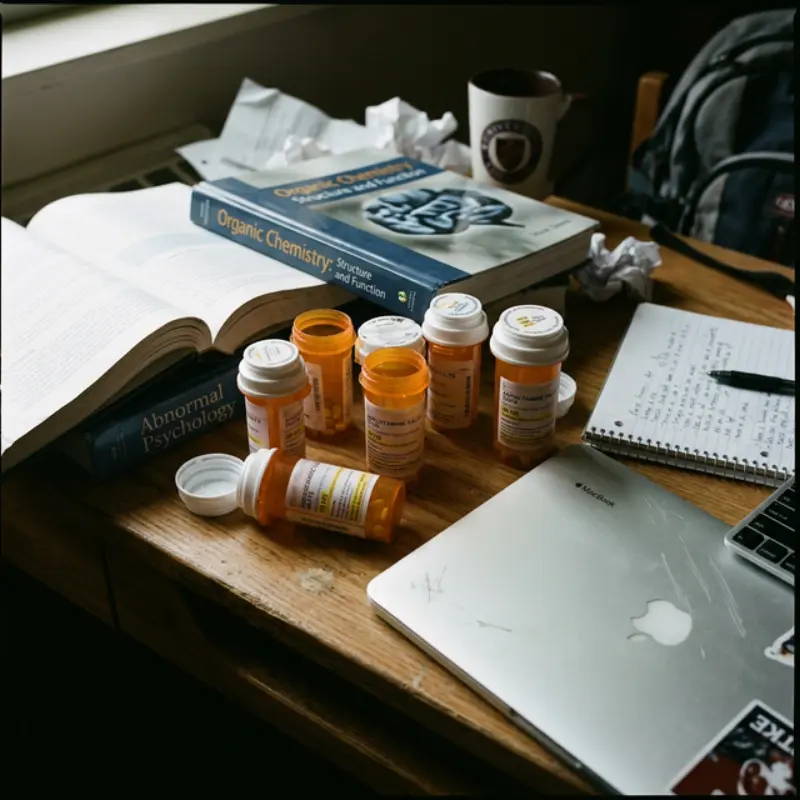
Adderall: Uses, Misuse, and Addiction
Adderall is widely prescribed but commonly misused. Learn about its effects, addiction potential, and treatment options.

Understanding Fentanyl: Dangers, Effects, and Recovery Options
Fentanyl is one of the most potent synthetic opioids. Learn about its dangers, side effects, and the path to recovery.

Alcohol Addiction: Signs, Effects, and Recovery
Alcohol addiction affects millions worldwide. Recognize the signs and explore treatment options for a healthier life.