
Alcohol Addiction: Signs, Effects, and Recovery

Understanding Alcohol Addiction
Alcohol use disorder (AUD) is a medical condition characterized by an inability to control drinking despite negative consequences. The National Institute on Alcohol Abuse and Alcoholism (NIAAA) reports approximately 29.5 million Americans aged 12 and older had AUD in 2021. Alcohol addiction ranks as the third leading preventable cause of death in the United States, responsible for approximately 140,000 deaths annually.
Recognizing the signs of AUD in yourself or a loved one is the first step toward recovery. Effective, evidence-based treatments exist, and millions of people achieve lasting sobriety every year.
Facts About Alcohol Addiction
- AUD ranges from mild (2 to 3 symptoms) to severe (6 or more symptoms) based on DSM-5 diagnostic criteria
- Alcohol accounts for roughly 5.3% of all deaths worldwide, according to the World Health Organization
- Only about 7% of people with AUD receive any form of treatment in a given year
- Three FDA-approved medications treat alcohol addiction: naltrexone, acamprosate, and disulfiram
How Alcohol Affects Your Brain
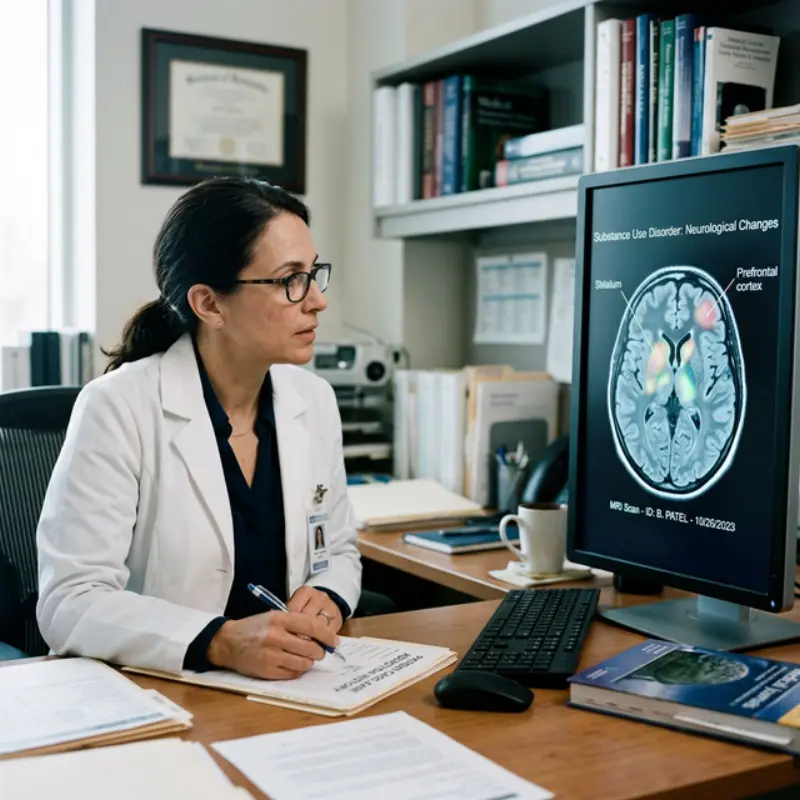
Alcohol is a central nervous system depressant. The drug enhances the effects of GABA, a neurotransmitter producing calm and relaxation. Alcohol simultaneously suppresses glutamate, an excitatory neurotransmitter responsible for alertness and energy.
Over time, your brain compensates for alcohol's depressant effects by increasing glutamate production and decreasing GABA sensitivity. This adaptation means you need more alcohol to achieve the same effect (tolerance). When you stop drinking, the imbalance between overactive glutamate and underactive GABA produces withdrawal symptoms ranging from mild anxiety to life-threatening seizures.
Short-term Effects
- Reduced inhibition and impaired judgment
- Slurred speech and poor coordination
- Memory blackouts at higher doses
- Nausea, vomiting, and dehydration
- Alcohol poisoning at dangerously high blood alcohol levels
Long-term Effects
- Liver disease: fatty liver, alcoholic hepatitis, and cirrhosis
- Cardiovascular damage: cardiomyopathy, arrhythmias, and high blood pressure
- Cancer risk: increased risk of mouth, throat, esophagus, liver, colon, and breast cancers
- Brain damage: Wernicke-Korsakoff syndrome, cognitive impairment, and brain shrinkage
- Immune system suppression: increased vulnerability to infections
- Pancreatitis: painful inflammation of the pancreas
"Alcohol use disorder is one of the most common and undertreated mental health conditions in America. Effective treatments exist, but the treatment gap remains enormous." - National Institute on Alcohol Abuse and Alcoholism
Signs of Alcohol Addiction
The DSM-5 lists 11 criteria for diagnosing alcohol use disorder. Meeting 2 or more within a 12-month period indicates AUD. Ask yourself these questions:
- Do you drink more or longer than you intend to?
- Have you tried to cut down or stop but failed?
- Do you spend a significant amount of time drinking or recovering from drinking?
- Do you experience strong cravings or urges to drink?
- Does drinking interfere with your responsibilities at work, school, or home?
- Do you continue drinking despite problems in your relationships?
- Have you given up important activities because of alcohol?
- Do you drink in situations where drinking is physically dangerous?
- Do you continue drinking despite physical or psychological health problems caused by alcohol?
- Do you need more alcohol to achieve the desired effect (tolerance)?
- Do you experience withdrawal symptoms when you stop or reduce drinking?
Alcohol Withdrawal: A Medical Emergency
Unlike most other substances, alcohol withdrawal is life-threatening. Severe withdrawal (delirium tremens) kills 1% to 5% of untreated patients. Never attempt to quit heavy, long-term alcohol use without medical supervision.
Withdrawal Timeline
- 6 to 12 hours: anxiety, headache, nausea, insomnia, tremors
- 12 to 48 hours: hallucinations and possible seizures
- 48 to 72 hours: delirium tremens (DTs) in severe cases, with confusion, rapid heartbeat, high blood pressure, and fever
Treatment Options for Alcohol Addiction
Medical Detox
Medical detox provides 24/7 monitoring and medication to safely manage withdrawal. Benzodiazepines (diazepam, lorazepam) prevent seizures and reduce withdrawal severity. Detox typically lasts 5 to 7 days.
FDA-Approved Medications
- Naltrexone: blocks opioid receptors involved in alcohol's rewarding effects. Available as a daily pill or monthly injection (Vivitrol). Studies show naltrexone reduces heavy drinking days by 25%.
- Acamprosate (Campral): restores chemical balance in the brain disrupted by chronic alcohol use. Most effective for maintaining abstinence after detox.
- Disulfiram (Antabuse): produces unpleasant reactions (nausea, flushing, rapid heartbeat) when you consume alcohol, creating a strong deterrent.
Behavioral Therapies
- Cognitive-behavioral therapy (CBT) identifies drinking triggers and builds coping skills
- Motivational enhancement therapy (MET) strengthens your motivation and commitment to sobriety
- 12-step facilitation prepares you for active participation in Alcoholics Anonymous (AA) or similar groups
- Couples and family therapy addresses relationship damage and builds a supportive home environment
Support Groups
- Alcoholics Anonymous (AA): the most widely available peer support program, with meetings in nearly every community
- SMART Recovery: a science-based alternative using cognitive-behavioral techniques
- Moderation Management: for people with mild AUD who want to reduce drinking rather than abstain completely
Getting Help Today
Alcohol addiction is a treatable medical condition. Asking for help is not a sign of weakness. Recovery starts with one conversation, one phone call, one decision.
Call SAMHSA's National Helpline at 1-800-662-4357 for free, confidential treatment referrals 24/7. Your insurance likely covers addiction treatment, and many programs offer sliding-scale fees for those without coverage.
Sources
This article was medically reviewed and draws from peer-reviewed research and clinical guidelines published by:
- National Institute on Drug Abuse (NIDA)
- Substance Abuse and Mental Health Services Administration (SAMHSA)
- Centers for Disease Control and Prevention (CDC)
- MedlinePlus — U.S. National Library of Medicine
Content is reviewed for medical accuracy by our editorial team. Last reviewed: September 5, 2025.
Medical Disclaimer: This article is for educational purposes only. It is not a substitute for professional medical advice, diagnosis, or treatment. Always consult a qualified healthcare provider before making changes to your treatment plan. If you are experiencing a medical emergency, call 911 immediately. For substance use support, call SAMHSA at 1-800-662-4357 (free, confidential, 24/7).
Related Articles
Understanding Drug Addiction: Causes, Signs, and Treatment
Drug addiction is a complex brain disorder. Learn about the causes, warning signs, and effective treatment approaches.

Porn Addiction: Signs, Effects, and Treatment
Compulsive pornography use can impact relationships and mental health. Learn about the signs and recovery options.

Cocaine: Effects, Risks, and Path to Recovery
Cocaine is a powerful stimulant drug. Understand its effects on the body and mind, and learn about recovery options.