
Understanding Drug Addiction: Causes, Signs, and Treatment
What is Drug Addiction?
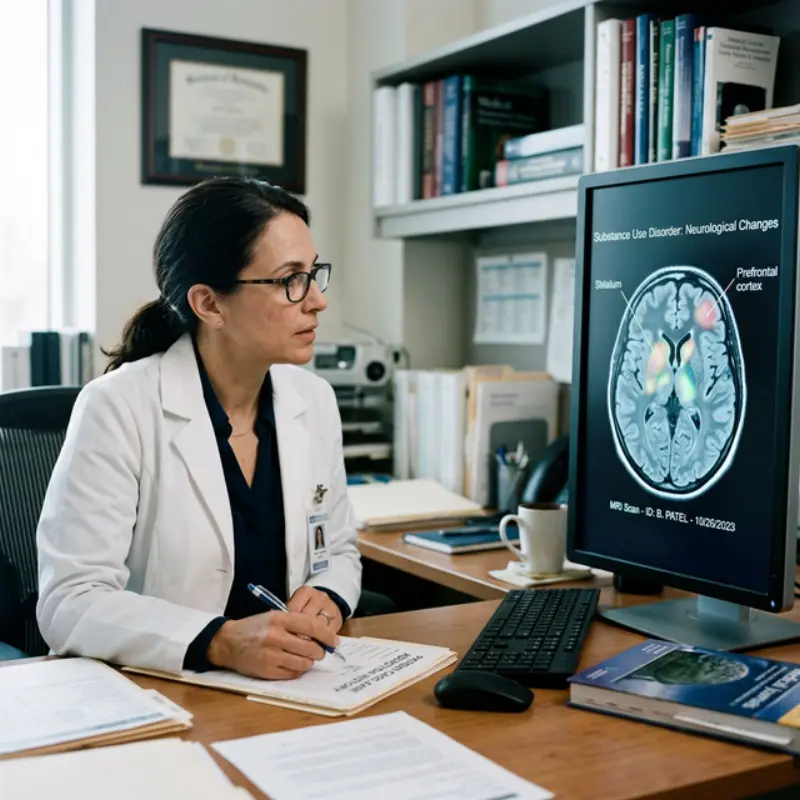
Drug addiction, clinically known as substance use disorder (SUD), is a chronic brain disease characterized by compulsive drug seeking and use despite harmful consequences. The condition changes your brain's structure and function, affecting areas responsible for judgment, decision-making, memory, and behavior control. According to SAMHSA, 46.3 million Americans aged 12 and older met the criteria for a substance use disorder in 2021.
Understanding drug addiction as a medical condition, not a moral failing, is essential. This knowledge reshapes how you approach treatment, support loved ones, and reduce stigma surrounding recovery.
Facts About Drug Addiction
- Addiction changes brain chemistry and structure, making quitting without professional help extremely difficult
- Genetics account for roughly 40% to 60% of a person's vulnerability to addiction
- Substance use disorders are treatable, and most people who receive treatment improve significantly
- Relapse rates for addiction (40% to 60%) are comparable to relapse rates for other chronic diseases like hypertension and asthma
How Addiction Develops in Your Brain
Your brain's reward system uses dopamine to reinforce behaviors essential for survival, including eating, socializing, and physical activity. Drugs flood this system with dopamine at levels 2 to 10 times higher than any natural reward.
Your brain responds to this unnatural surge by reducing its own dopamine production and decreasing the number of dopamine receptors. Over time, you need more of the drug to feel the same effect (tolerance). Without the drug, you feel unable to experience pleasure from normal activities (anhedonia).
The Three Stages of Addiction
- Binge and intoxication: the drug produces rewarding effects, reinforcing use
- Withdrawal and negative affect: without the drug, you experience physical discomfort, anxiety, and irritability
- Preoccupation and anticipation: cravings and obsessive thoughts about obtaining and using the drug dominate your thinking
"Addiction is a treatable, chronic medical disease involving complex interactions among brain circuits, genetics, the environment, and an individual's life experiences." - American Society of Addiction Medicine (ASAM), 2019
Causes and Risk Factors
No single factor determines whether someone develops an addiction. The disease results from a combination of biological, environmental, and developmental influences.
Biological Factors
- Genetics: family history of addiction increases your risk. Specific genes affect how your body metabolizes drugs and how your brain responds to dopamine.
- Mental health conditions: depression, anxiety, PTSD, and ADHD significantly increase addiction vulnerability
- Age of first use: starting drug use before age 18 dramatically increases the likelihood of developing a substance use disorder
Environmental Factors
- Exposure to drug use among family or peers
- Childhood trauma, abuse, or neglect (Adverse Childhood Experiences)
- Lack of parental supervision during adolescence
- Poverty, community violence, and limited access to education or healthcare
- Easy availability of drugs in your community
Signs of Drug Addiction
Recognizing addiction in yourself or someone you care about requires awareness of behavioral, physical, and psychological changes.
Behavioral Signs
- Inability to stop using despite repeated attempts
- Neglecting responsibilities at work, school, or home
- Withdrawing from social activities and relationships
- Engaging in risky behavior while under the influence (driving, unprotected sex)
- Lying about or hiding drug use
- Legal or financial problems related to substance use
Physical Signs
- Noticeable weight loss or gain
- Bloodshot eyes, dilated or constricted pupils
- Changes in sleep patterns
- Deteriorating physical appearance and hygiene
- Unexplained injuries or marks on the body
Psychological Signs
- Sudden mood swings and personality changes
- Increased anxiety, paranoia, or agitation
- Lack of motivation and energy
- Appearing confused, spaced out, or disoriented
Treatment Approaches for Drug Addiction
Effective addiction treatment addresses the whole person, not the substance use alone. Research shows combining medication with behavioral therapy produces the strongest outcomes.
Medication-Assisted Treatment (MAT)
Medications are available for opioid, alcohol, and nicotine addictions:
- Opioid addiction: methadone, buprenorphine (Suboxone), and naltrexone (Vivitrol)
- Alcohol addiction: naltrexone, acamprosate, and disulfiram
- Nicotine addiction: nicotine replacement therapy, varenicline (Chantix), and bupropion (Wellbutrin)
Behavioral Therapies
- Cognitive-behavioral therapy (CBT) identifies and changes the thought patterns and situations driving your drug use
- Dialectical behavior therapy (DBT) teaches mindfulness, emotional regulation, and distress tolerance skills
- Motivational enhancement therapy strengthens your internal motivation to change
- Family therapy repairs relationships damaged by addiction and builds a supportive home environment
Levels of Care
- Medical detox: supervised withdrawal management, typically 3 to 10 days
- Inpatient/residential treatment: 24/7 structured care for 30 to 90 days
- Partial hospitalization (PHP): intensive treatment 5 to 7 days per week while living at home or in sober housing
- Intensive outpatient (IOP): treatment 3 to 5 days per week, allowing you to maintain work and family obligations
- Standard outpatient: individual therapy and group sessions 1 to 2 times per week for ongoing maintenance
The Reality of Relapse
Relapse does not mean treatment has failed. Addiction is a chronic condition, and relapse is a common part of the recovery process. Between 40% and 60% of people in recovery experience relapse, a rate similar to other chronic conditions like diabetes and hypertension.
When relapse occurs, the appropriate response is to adjust your treatment plan, not abandon your recovery. Many people need multiple rounds of treatment before achieving sustained sobriety.
Starting Your Recovery
Recovery from drug addiction is possible at any stage. Evidence-based treatment works. Millions of Americans live in sustained recovery from substance use disorders.
Take the first step today. Call SAMHSA's National Helpline at 1-800-662-4357 for free, confidential treatment referrals 24/7. The helpline connects you with local treatment programs, support groups, and community resources.
Sources
This article was medically reviewed and draws from peer-reviewed research and clinical guidelines published by:
- National Institute on Drug Abuse (NIDA)
- Substance Abuse and Mental Health Services Administration (SAMHSA)
- Centers for Disease Control and Prevention (CDC)
- MedlinePlus — U.S. National Library of Medicine
Content is reviewed for medical accuracy by our editorial team. Last reviewed: October 15, 2025.
Medical Disclaimer: This article is for educational purposes only. It is not a substitute for professional medical advice, diagnosis, or treatment. Always consult a qualified healthcare provider before making changes to your treatment plan. If you are experiencing a medical emergency, call 911 immediately. For substance use support, call SAMHSA at 1-800-662-4357 (free, confidential, 24/7).
Related Articles
Alcohol Addiction: Signs, Effects, and Recovery
Alcohol addiction affects millions worldwide. Recognize the signs and explore treatment options for a healthier life.

Porn Addiction: Signs, Effects, and Treatment
Compulsive pornography use can impact relationships and mental health. Learn about the signs and recovery options.
Gambling Addiction: Recognizing the Problem
Gambling addiction can devastate finances and relationships. Learn the warning signs and how to seek help.