
Gambling Addiction: Recognizing the Problem
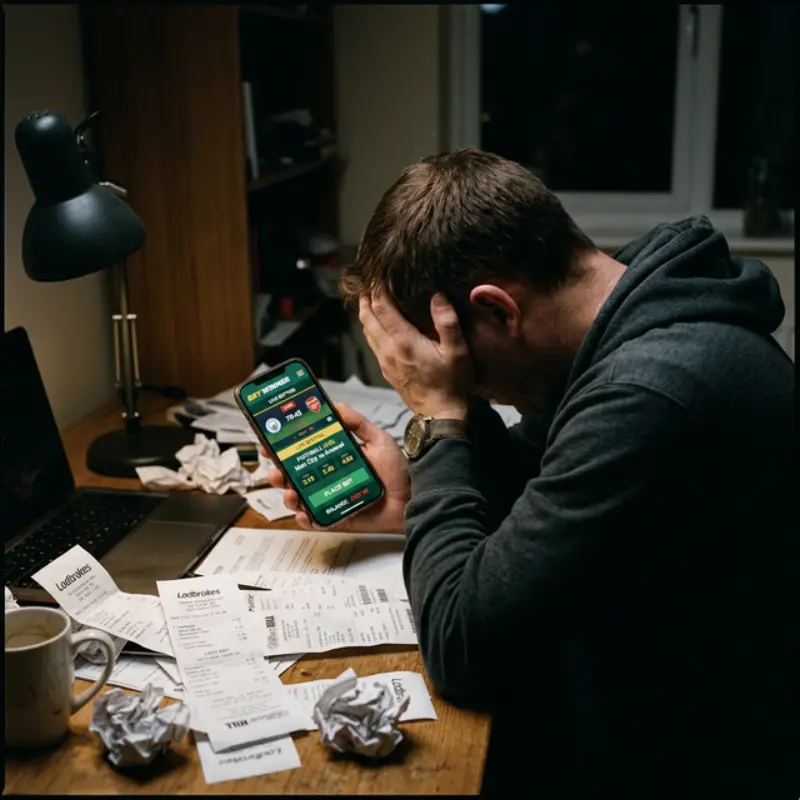
What is Gambling Addiction?
Gambling addiction, clinically known as gambling disorder, is a behavioral addiction recognized by the American Psychiatric Association in the DSM-5. The condition involves persistent and recurrent problematic gambling that causes significant distress or impairment. The National Council on Problem Gambling estimates that approximately 2 million U.S. adults meet the criteria for severe gambling problems, while another 4 to 6 million experience moderate gambling problems.
Gambling addiction destroys finances, relationships, and mental health. Understanding the warning signs, risk factors, and treatment options puts you or your loved one on a path toward recovery.
Key Facts About Gambling Addiction
- Gambling disorder is the only behavioral addiction formally classified alongside substance use disorders in the DSM-5
- Gambling activates the same brain reward pathways as drugs and alcohol
- People with gambling disorder are 4 to 10 times more likely to develop depression than the general population
- Gambling addiction carries the highest suicide rate of any addiction, with an estimated 20% of pathological gamblers attempting suicide
How Gambling Affects Your Brain
Your brain's reward system responds to gambling the same way it responds to addictive drugs. When you place a bet, your brain releases dopamine, creating feelings of excitement and anticipation. Winning amplifies this dopamine surge.
Critical to understanding gambling addiction is the concept of "near misses." Your brain processes near wins (two matching symbols on a slot machine, for example) almost identically to actual wins. This creates a false sense of progress and drives continued gambling even during losing streaks.
Variable Reinforcement
Gambling provides rewards on an unpredictable schedule. This "variable ratio reinforcement" is the most powerful form of behavioral conditioning. Your brain cannot predict when the next reward will come, so it stays in a constant state of anticipation. This mechanism makes gambling uniquely difficult to quit.
"Gambling disorder shares many features with substance-related disorders, including patterns of brain activation, cognitive distortions, and clinical characteristics." - American Psychiatric Association, DSM-5
Types of Problem Gambling
Gambling addiction takes many forms:
- Casino gambling: slot machines, table games, and poker
- Sports betting: growing rapidly since legalization across many states
- Online gambling: internet casinos, poker sites, and mobile betting apps provide 24/7 access
- Lottery and scratch tickets: frequently minimized as harmless
- Day trading: when conducted compulsively with the primary motivation of seeking a thrill rather than generating income
Warning Signs of Gambling Addiction
Financial Signs
- Gambling with increasing amounts of money to achieve the same excitement
- Chasing losses by returning to gamble more after losing
- Unexplained debt, maxed credit cards, or drained savings accounts
- Borrowing money, selling possessions, or stealing to fund gambling
- Neglecting bills, rent, or mortgage payments
Behavioral Signs
- Preoccupation with gambling (planning next sessions, thinking about past wins)
- Lying to family, friends, or therapists about gambling activity
- Failed repeated attempts to cut back or stop gambling
- Gambling when feeling anxious, depressed, guilty, or helpless
- Risking or losing significant relationships, jobs, or educational opportunities because of gambling
- Relying on others to bail you out of financial crises caused by gambling
Emotional Signs
- Restlessness or irritability when trying to stop gambling
- Using gambling to escape problems or relieve negative emotions
- Guilt and shame after gambling sessions
- Growing secrecy and social withdrawal
The Financial Devastation of Gambling Addiction
Gambling addiction creates financial destruction faster than almost any other addiction. The average person with gambling disorder accumulates $40,000 to $70,000 in debt before seeking help. Consequences include:
- Bankruptcy (gambling is a leading non-medical cause of personal bankruptcy)
- Home foreclosure and eviction
- Destroyed credit scores affecting future housing, employment, and insurance
- Criminal charges from embezzlement, fraud, or theft committed to fund gambling
Gambling Addiction and Mental Health
Gambling disorder frequently co-occurs with other conditions:
- Depression and anxiety: present in 50% to 75% of people with gambling disorder
- Substance use disorders: approximately 25% of pathological gamblers also struggle with substance addiction
- Suicidal ideation: gambling disorder carries a higher suicide rate than any other addiction. If you are in crisis, call the 988 Suicide and Crisis Lifeline.
Treatment Options for Gambling Addiction
Therapy
- Cognitive-behavioral therapy (CBT) targets the cognitive distortions driving gambling behavior. These include the belief that you can predict or influence random outcomes, the "gambler's fallacy," and the tendency to remember wins while minimizing losses.
- Motivational interviewing helps you resolve ambivalence about quitting and build personal motivation for change.
- Family therapy addresses the relationship damage and financial stress created by gambling addiction.
Medications
While no medication is FDA-approved specifically for gambling disorder, several medications show promise:
- Naltrexone: reduces cravings and the pleasurable feelings associated with gambling
- Antidepressants (SSRIs): treat co-occurring depression and may reduce gambling urges
- Mood stabilizers: helpful when gambling occurs alongside bipolar disorder
Support Groups
- Gamblers Anonymous (GA): a 12-step program modeled after Alcoholics Anonymous
- Gam-Anon: support for family members and loved ones of problem gamblers
- National Council on Problem Gambling helpline: call 1-800-522-4700 for 24/7 support
Financial Recovery
- Work with a financial counselor specializing in gambling-related debt
- Self-exclude from casinos and online gambling platforms
- Set up financial safeguards: have a trusted person manage your accounts during early recovery
Taking the First Step
Gambling addiction is treatable. Recovery begins with acknowledging the problem and reaching out for help. Call the National Problem Gambling Helpline at 1-800-522-4700 for free, confidential support 24/7. You can also text or chat at ncpgambling.org. Treatment works, and recovery is possible.
Sources
This article was medically reviewed and draws from peer-reviewed research and clinical guidelines published by:
- National Institute on Drug Abuse (NIDA)
- Substance Abuse and Mental Health Services Administration (SAMHSA)
- Centers for Disease Control and Prevention (CDC)
- MedlinePlus — U.S. National Library of Medicine
Content is reviewed for medical accuracy by our editorial team. Last reviewed: August 20, 2025.
Medical Disclaimer: This article is for educational purposes only. It is not a substitute for professional medical advice, diagnosis, or treatment. Always consult a qualified healthcare provider before making changes to your treatment plan. If you are experiencing a medical emergency, call 911 immediately. For substance use support, call SAMHSA at 1-800-662-4357 (free, confidential, 24/7).
Related Articles

Porn Addiction: Signs, Effects, and Treatment
Compulsive pornography use can impact relationships and mental health. Learn about the signs and recovery options.

Understanding Drug Addiction: Causes, Signs, and Treatment
Drug addiction is a complex brain disorder. Learn about the causes, warning signs, and effective treatment approaches.
Alcohol Addiction: Signs, Effects, and Recovery
Alcohol addiction affects millions worldwide. Recognize the signs and explore treatment options for a healthier life.