
Inpatient Rehab: What to Expect and How to Choose

What is Inpatient Rehab?
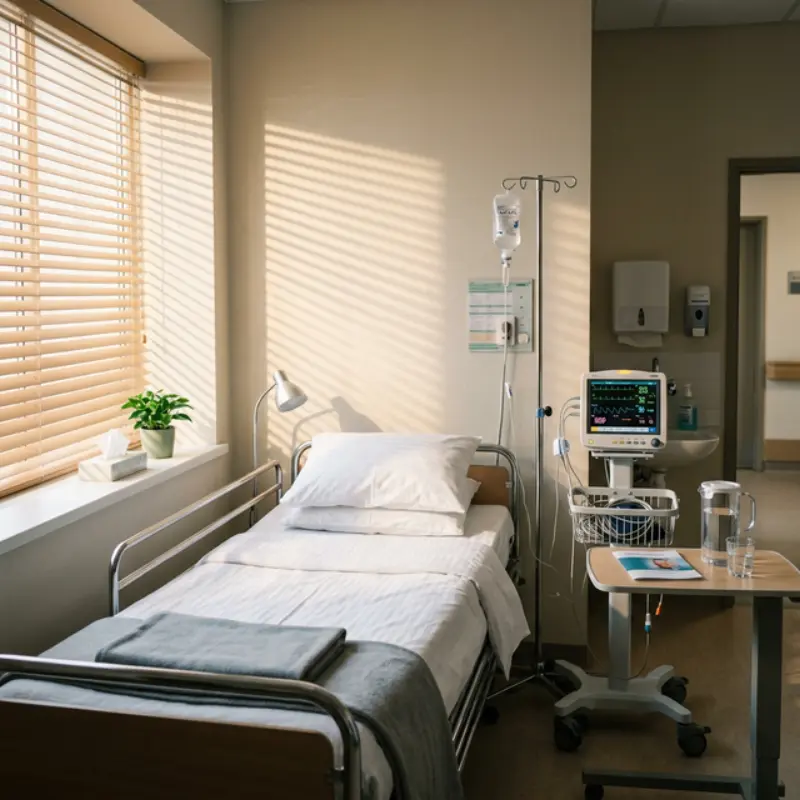
Inpatient rehabilitation (residential treatment) provides intensive addiction care in a structured, live-in environment. You temporarily leave your daily environment and fully focus on recovery with round-the-clock support from medical professionals, therapists, and peers.
Inpatient rehab is one of the most effective forms of addiction treatment available. The National Institute on Drug Abuse reports that patients who complete residential treatment programs are significantly more likely to maintain long-term sobriety compared to those who attempt recovery without professional support.
Key Facts About Inpatient Rehab
- Programs typically run 28, 60, or 90 days, though longer stays produce better outcomes
- Inpatient rehab treats the whole person: physical, psychological, and social aspects of addiction
- Research shows 90 days is the minimum treatment length associated with significantly improved outcomes
- Many programs accept private insurance, Medicaid, Medicare, or offer sliding-scale fees
Who Needs Inpatient Rehab?
Inpatient rehab is the recommended level of care for people who:
- Have severe substance use disorders involving physical dependence
- Have co-occurring mental health conditions (depression, anxiety, PTSD, bipolar disorder) that complicate recovery
- Have tried outpatient treatment without success
- Lack a stable or supportive home environment
- Need medical detox before beginning treatment
- Have a history of relapse
- Face high-risk environments with easy access to substances or people who use
"The most effective substance abuse treatment programs address the full spectrum of patient needs, not just drug use. Treatment should be readily available, and the minimum recommended treatment duration is 90 days." - National Institute on Drug Abuse
Types of Inpatient Programs
Standard Residential Treatment
Traditional 28 to 90 day programs providing structured daily schedules of therapy, group sessions, and recovery activities. These programs serve the majority of people entering inpatient treatment.
Luxury or Executive Rehab
Private rooms, upscale amenities, and accommodations for professionals who need to maintain some work responsibilities during treatment. These programs cost significantly more but offer greater comfort and privacy.
Faith-Based Programs
Programs incorporating spiritual practice and religious principles into recovery. These programs appeal to people whose faith is a central part of their identity and support system.
Dual Diagnosis Programs
Specialized programs treating co-occurring mental health and substance use disorders simultaneously. Approximately 50% of people with severe mental disorders also struggle with substance abuse, making integrated treatment essential.
Long-Term Residential (Therapeutic Communities)
Programs lasting 6 to 12 months focused on resocialization and complete lifestyle change. These intensive programs are best suited for people with severe, long-standing addictions.
What Happens During Inpatient Rehab?
Phase 1: Intake and Assessment (Day 1)
- Comprehensive medical evaluation and health history
- Psychiatric assessment and mental health screening
- Substance use history and severity assessment
- Development of an individualized treatment plan
Phase 2: Medical Detox (Days 1 to 7)
If needed, medical detox safely manages withdrawal symptoms under 24/7 medical supervision. Not all patients require medical detox. The detox timeline depends on the substance:
- Alcohol: 3 to 7 days
- Opioids: 5 to 10 days
- Benzodiazepines: 1 to 4 weeks (gradual taper)
- Stimulants: 3 to 5 days (primarily supportive care)
Phase 3: Active Treatment
The core of inpatient rehab involves daily therapy and recovery-focused activities:
- Individual therapy: one-on-one sessions with a licensed therapist addressing your specific triggers, trauma, and behavioral patterns
- Group therapy: peer-based sessions building communication skills, accountability, and mutual support
- Family therapy: repairing relationships damaged by addiction and educating family members about the recovery process
- Psychoeducation: learning about addiction as a brain disease, relapse triggers, and coping strategies
- Holistic therapies: yoga, meditation, art therapy, equine therapy, and exercise programs
A Typical Daily Schedule
- 7:00 AM: Wake up, morning meditation or mindfulness
- 8:00 AM: Breakfast
- 9:00 AM: Group therapy session
- 10:30 AM: Individual therapy or psychiatric consultation
- 12:00 PM: Lunch
- 1:00 PM: Educational workshop or life skills training
- 2:30 PM: Recreational activity or holistic therapy
- 4:00 PM: Group support meeting (12-step or alternative)
- 5:30 PM: Dinner
- 7:00 PM: Free time, journaling, or peer connection
- 9:00 PM: Evening reflection, lights out by 10:00 PM
Phase 4: Aftercare Planning
Before discharge, your treatment team creates a comprehensive aftercare plan:
- Step-down to outpatient treatment or an intensive outpatient program (IOP)
- Connection with a therapist and/or psychiatrist for ongoing care
- Support group recommendations (AA, NA, SMART Recovery)
- Sober living arrangements if needed
- Relapse prevention plan with identified triggers and coping strategies
How to Choose the Right Program
- Accreditation: look for programs accredited by the Joint Commission (JCAHO) or CARF
- Treatment approach: ensure the program uses evidence-based therapies (CBT, DBT, motivational interviewing)
- Staff credentials: licensed therapists, board-certified psychiatrists, and experienced clinical staff
- Dual diagnosis capability: especially important if you have co-occurring mental health conditions
- Aftercare support: strong aftercare planning is one of the best predictors of long-term success
- Reviews and outcomes: look for programs that track and share their treatment outcomes
Paying for Inpatient Rehab
The cost of inpatient rehab varies widely, from approximately $6,000 to $60,000 or more for a 30-day program. Payment options include:
- Insurance: The Mental Health Parity and Addiction Equity Act requires most insurers to cover addiction treatment
- Medicaid and Medicare: government programs cover residential treatment at qualifying facilities
- Sliding scale fees: many nonprofit treatment centers offer reduced rates based on income
- State-funded programs: each state operates publicly funded treatment programs
Take the First Step
Entering inpatient rehab is one of the most important decisions you will ever make. Recovery is possible, and professional treatment dramatically increases your chances of lasting sobriety.
Call SAMHSA's National Helpline at 1-800-662-4357 for free, confidential treatment referrals 24/7. The helpline can connect you with local inpatient programs that match your needs, insurance, and budget.
Sources
This article was medically reviewed and draws from peer-reviewed research and clinical guidelines published by:
- National Institute on Drug Abuse (NIDA)
- Substance Abuse and Mental Health Services Administration (SAMHSA)
- Centers for Disease Control and Prevention (CDC)
- MedlinePlus — U.S. National Library of Medicine
Content is reviewed for medical accuracy by our editorial team. Last reviewed: November 5, 2025.
Medical Disclaimer: This article is for educational purposes only. It is not a substitute for professional medical advice, diagnosis, or treatment. Always consult a qualified healthcare provider before making changes to your treatment plan. If you are experiencing a medical emergency, call 911 immediately. For substance use support, call SAMHSA at 1-800-662-4357 (free, confidential, 24/7).
Related Articles

Outpatient Rehab: Flexible Treatment for Recovery
Outpatient rehab allows you to receive treatment while maintaining daily responsibilities. Learn if it's right for you.
Detox Centers: What to Expect During Medical Detox
Medical detox is often the first step in recovery. Learn what happens at a detox center and how to prepare.

Therapy Options for Addiction Treatment
From CBT to motivational interviewing, explore the most effective therapy approaches for addiction recovery.