
Afrezza Inhaled Insulin and Type 1 Diabetes
Afrezza Inhaled Insulin and Type 1 Diabetes
If you live with type 1 diabetes, the daily grind can wear you down. Fingersticks, carb counts, injections, timing, corrections, and the constant mental math all add up. Afrezza inhaled insulin is getting attention because it offers a different way to take rapid-acting insulin, and for some people that change can feel seismic. It is not a cure. It is not a shortcut. But it may make meal dosing easier for people who struggle with injections or want faster action at mealtime. Why does that matter now? Because diabetes care is as much about fit as it is about numbers, and the wrong fit can push people away from the plan entirely.
What stands out about Afrezza inhaled insulin
- It is an inhaled rapid-acting insulin used at mealtimes.
- It may help people who dislike injections or need faster onset.
- It is not for everyone, especially people with lung disease.
- Dosing and follow-up still matter. A lot.
- Some users report less friction in daily diabetes care, which can improve consistency.
How Afrezza inhaled insulin works
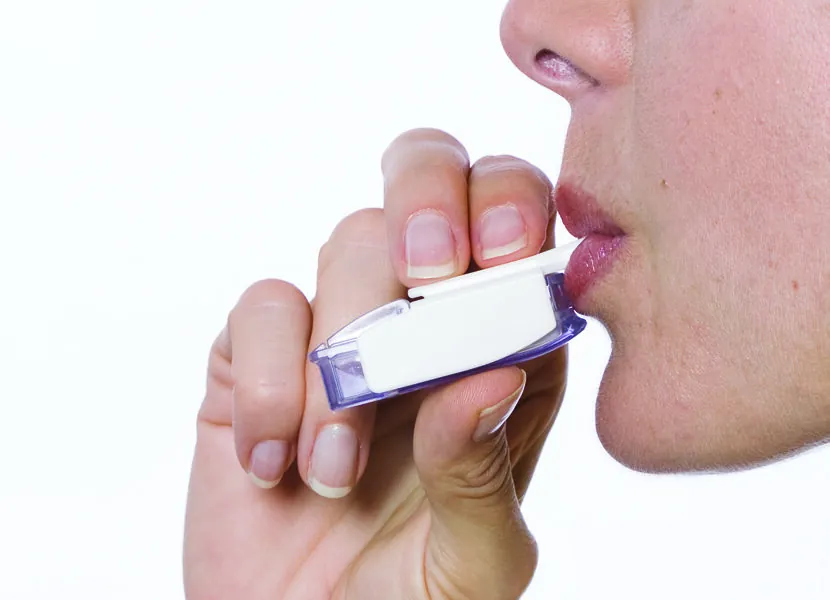
Afrezza delivers insulin through the lungs with a small inhaler. The powder reaches the bloodstream quickly, so it can start working faster than many injected rapid-acting insulins. That speed can help with mealtime glucose spikes, which is the whole point.
Think of it like a sprinter compared with a steady-distance runner. The sprint can win the first 100 meters, but it will not replace the marathon runner for every job. Afrezza inhaled insulin is built for meal coverage, not background insulin. You still need a basal insulin plan if you have type 1 diabetes.
Who may benefit from Afrezza inhaled insulin
People who struggle with needle fatigue may see the most obvious upside. Teens, in particular, can be hard to reach with a plan that feels bulky or embarrassing. A simpler mealtime routine can improve adherence if the rest of the regimen stays solid.
Some adults also like the speed. If you eat unpredictably or correct highs often, a faster onset may help. But ask a sharper question: does this fit your life, or just look good on paper?
“The best diabetes tool is the one you can actually use every day.”
What the limits are
Afrezza inhaled insulin is not a universal fix. It is not approved for people with chronic lung disease such as asthma or COPD, and prescribers usually check lung function before and during treatment. That is a hard stop for some patients.
There are also practical tradeoffs. You may need more than one cartridge dose size. You still need glucose monitoring. And you still need to learn how your body responds, because the speed can be useful one day and tricky the next. The system is not magic. It is just different.
Questions to ask your clinician
- Do I qualify based on my lung health?
- How would this fit with my basal insulin plan?
- What glucose checks do you want me to do after meals?
- How should I handle highs, lows, and dose adjustments?
- What should I expect during the first few weeks?
Afrezza inhaled insulin and daily life
For a teen who hates injections, the emotional payoff can matter as much as the clinical one. If a treatment lowers resistance at mealtimes, it can reduce skipped doses and family conflict. That is not a small thing.
Still, the device adds a new routine. You need to keep the inhaler, use the cartridges correctly, and follow the dosing plan closely. Medicine is a lot like kitchen prep. A good recipe still fails if you misread the measurements.
Afrezza inhaled insulin can help, but it asks for discipline in return.
What the evidence and reporting suggest
Healthline’s report on a teen using Afrezza shows the human side of the story. The appeal was not hype. It was relief. That matches the broader reality of diabetes care, where small changes in burden can change behavior in a big way.
Clinical sources and prescribing information also make the boundaries clear. Afrezza is a rapid-acting inhaled insulin for mealtime use, and lung screening matters. The promise is real, but so are the guardrails. That balance is the part many headlines skip.
What you should do next
If you are curious about Afrezza inhaled insulin, bring specific questions to your endocrinologist. Ask whether your lung health, glucose patterns, and daily habits make you a candidate. And if you are a parent, focus on the real test: will your teen use it consistently, or will the novelty wear off after two weeks?
That is the real decision here. Not whether the device looks clever. Whether it fits your life when school, work, meals, and stress all pile up. What would change if mealtime insulin felt less like a chore?
Sources
This article was medically reviewed and draws from peer-reviewed research and clinical guidelines published by:
- National Institute on Drug Abuse (NIDA)
- Substance Abuse and Mental Health Services Administration (SAMHSA)
- Centers for Disease Control and Prevention (CDC)
- MedlinePlus — U.S. National Library of Medicine
Content is reviewed for medical accuracy by our editorial team. Last reviewed: June 15, 2026.
Medical Disclaimer: This article is for educational purposes only. It is not a substitute for professional medical advice, diagnosis, or treatment. Always consult a qualified healthcare provider before making changes to your treatment plan. If you are experiencing a medical emergency, call 911 immediately. For substance use support, call SAMHSA at 1-800-662-4357 (free, confidential, 24/7).