
Alcohol Cancer Risk: What Drinkers Need to Know
Alcohol Cancer Risk: What Drinkers Need to Know
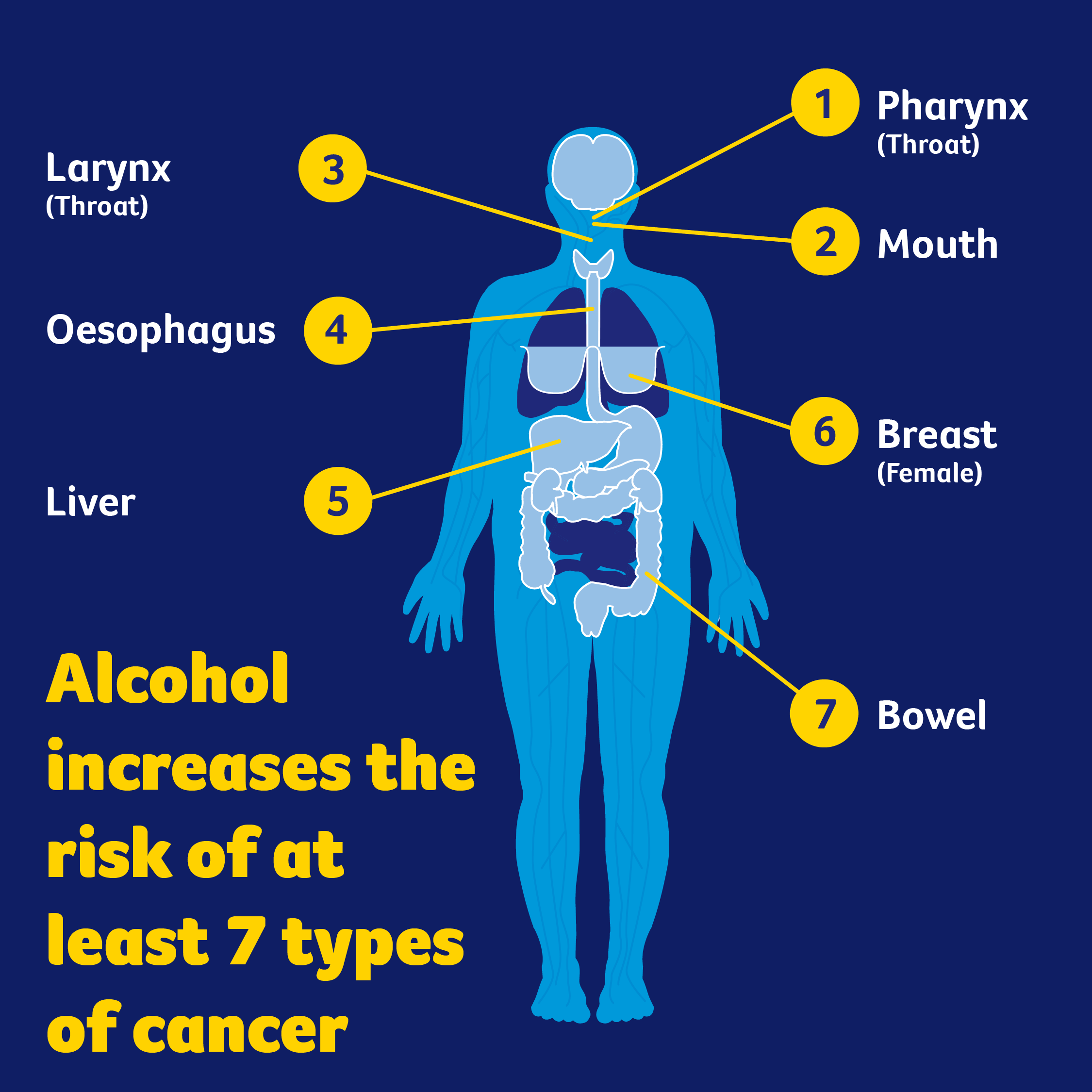
You may already track sugar, sleep, or steps, but your drink count deserves the same attention. The alcohol cancer risk conversation has shifted from vague advice to a clearer public health message, and it matters because many people still see moderate drinking as mostly harmless. Healthline recently reported on growing concern from health experts, including warnings that alcohol is linked to several cancers. The World Health Organization says alcohol causes at least seven types of cancer, including cancers of the mouth, throat, voice box, esophagus, liver, colon, rectum, and breast. That does not mean every drink causes cancer. Risk is a sliding scale. But the pattern is plain enough that you should treat alcohol as a health exposure, not a neutral habit. If you drink, the smart move is to know your baseline and cut from there.
What matters most
- Alcohol is classified as a Group 1 carcinogen by the International Agency for Research on Cancer, the same risk category used for tobacco and asbestos.
- The cancer link includes beer, wine, and liquor. The body processes ethanol in all of them.
- Risk generally rises as drinking increases, but lower intake is not considered risk-free.
- Breast cancer risk is one of the clearest concerns for people who drink regularly.
- Cutting back can reduce exposure, and you do not need a perfect plan to start.
Why alcohol cancer risk rises in the body
Alcohol is not only a liver issue. After you drink, your body breaks ethanol into acetaldehyde, a toxic chemical that can damage DNA and make repair harder. Damaged DNA is one route by which normal cells can turn cancerous.
Alcohol can also increase oxidative stress and inflammation. It may change hormone levels, including estrogen, which helps explain part of the breast cancer connection. And for cancers of the mouth and throat, alcohol can act like a solvent, making it easier for other carcinogens, such as tobacco chemicals, to enter cells.
The National Cancer Institute states that there is a strong scientific consensus that alcohol drinking can cause several types of cancer. That is not a moral judgment. It is a risk statement.
No amount of alcohol is proven risk-free for cancer.
That sentence can feel blunt, especially if you enjoy a glass of wine with dinner. But public health advice has become clearer because older messages often blurred heart health claims with cancer data. Honestly, the “red wine is good for you” line aged badly.
Alcohol cancer risk by drink type: beer, wine, and liquor
The drink type matters less than the ethanol dose. A standard drink in the United States contains about 14 grams of pure alcohol, according to the National Institute on Alcohol Abuse and Alcoholism. That equals 12 ounces of regular beer, 5 ounces of wine, or 1.5 ounces of distilled spirits.
Here is the catch. Many pours are not standard. A large wine glass at home may hold 8 or 9 ounces, and a strong IPA can contain far more alcohol than a light beer. If you are counting “drinks” by glass rather than alcohol content, your math may be off.
What cancers are linked to alcohol?
Major health agencies, including the WHO, the National Cancer Institute, and the U.S. Centers for Disease Control and Prevention, link alcohol use with these cancers:
- Mouth cancer
- Throat and voice box cancers
- Esophageal cancer
- Liver cancer
- Breast cancer
- Colorectal cancer
The breast cancer data often surprises people. The American Cancer Society notes that even low levels of alcohol intake have been tied to higher breast cancer risk. For someone with a family history or other risk factors, that may change the drinking calculation.
How much drinking changes your risk
Risk is not a light switch. It behaves more like seasoning in cooking, where each extra pinch changes the final dish even if one pinch does not ruin it. The more often you drink, and the more alcohol you consume per session, the more exposure your body has to carcinogenic byproducts.
The CDC defines moderate drinking as up to one drink per day for women and up to two drinks per day for men. That definition is not a safety guarantee. It is a limit used for population guidance, and cancer risk can still exist below it.
What about the person who only drinks on weekends? Binge drinking can still load the body with high alcohol exposure in a short window. If your “only Saturday” routine means four cocktails, your weekly total may be doing more work than you think.
How to lower alcohol cancer risk without pretending life is simple
Public health advice often fails because it sounds like it was written for a spreadsheet. Real people drink at weddings, after rough workdays, during holidays, and while watching games. So start with changes you can repeat.
- Measure your real pour. Use a measuring cup once at home. You may find your normal wine pour is closer to two standard drinks.
- Set drink-free days. Pick specific days before the week starts. Vague plans tend to lose against habit.
- Alternate with nonalcoholic drinks. Sparkling water, NA beer, or a bitter soda can slow the pace without making you feel sidelined.
- Buy less at once. A smaller supply lowers friction. This is boring advice, but it works.
- Track for two weeks. Write down each drink. No shame, just data.
If you drink to manage anxiety, sleep, grief, or pain, cutting back may need more support. Talk with a clinician, therapist, or addiction specialist, especially if you get shakes, sweats, panic, or nausea when you stop. Withdrawal can be dangerous for heavy drinkers.
Alcohol cancer risk and labels: why the warning debate is heating up
Healthline’s reporting points to a wider debate about whether alcohol containers should carry clearer cancer warnings. I have covered enough health policy fights to know how this usually goes. Industry groups argue about wording, regulators move slowly, and consumers get stuck with fuzzy labels.
Clear labels would not ban alcohol. They would give you basic information at the point of purchase, the same way cigarette warnings changed public awareness. Why should a bottle list tasting notes but not a cancer warning?
Some countries have already moved in this direction. Ireland approved cancer warning labels for alcohol products, with rules expected to take effect in 2026. That policy will be watched closely by public health groups and alcohol makers alike.
What I’d do next
If you drink, do a quick audit this week. Count standard drinks, not glasses, and compare your total with your cancer risk profile, including age, family history, smoking, weight, and screening status. Then choose one cut you can keep for a month.
The next phase of the alcohol debate will not be about whether alcohol can cause cancer. That question is largely settled. The harder question is whether we are willing to treat a familiar product with the same honesty we expect from every other health risk.
Sources
This article was medically reviewed and draws from peer-reviewed research and clinical guidelines published by:
- National Institute on Drug Abuse (NIDA)
- Substance Abuse and Mental Health Services Administration (SAMHSA)
- Centers for Disease Control and Prevention (CDC)
- MedlinePlus — U.S. National Library of Medicine
Content is reviewed for medical accuracy by our editorial team. Last reviewed: September 9, 2026.
Medical Disclaimer: This article is for educational purposes only. It is not a substitute for professional medical advice, diagnosis, or treatment. Always consult a qualified healthcare provider before making changes to your treatment plan. If you are experiencing a medical emergency, call 911 immediately. For substance use support, call SAMHSA at 1-800-662-4357 (free, confidential, 24/7).