
Arthritis Drug and Alopecia Hair Regrowth
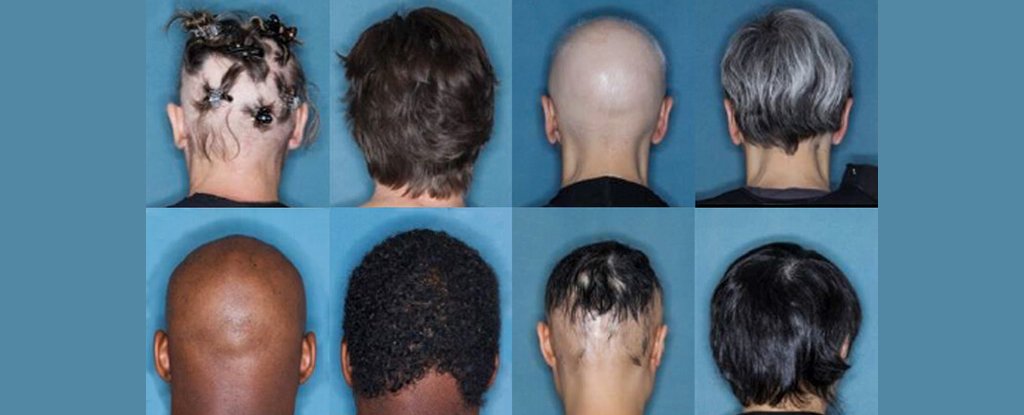
Arthritis Drug and Alopecia Hair Regrowth
Hair loss can feel personal fast. If you are dealing with alopecia, every new headline about a treatment can raise hope and doubt at the same time. The latest buzz around an arthritis drug and alopecia hair regrowth has done exactly that. It matters now because early reports are getting attention, and people want to know whether this is real medicine or just another round of hype.
Here is the practical question: can a drug built for inflammation also help dormant follicles start working again? That idea is plausible, because some forms of alopecia involve immune attacks on the hair follicle. But the gap between a promising signal and a treatment you can actually use is wide. Think of it like a building permit and a finished house. They are not the same thing.
- Some alopecia treatments target the immune system, not the hair shaft itself.
- Early results can point to a path forward, but they do not prove long-term safety.
- JAK inhibitors are the drug class most often discussed in this space.
- Choosing treatment should depend on your diagnosis, severity, and health history.
What the arthritis drug and alopecia hair regrowth news is really about
The article from Healthline points to a class of anti-inflammatory drugs already used in arthritis care, especially Janus kinase, or JAK, inhibitors. These drugs can calm immune signals that may be attacking hair follicles in alopecia areata, the autoimmune form of hair loss.
That is the key detail. This is not about forcing hair to grow faster in a healthy scalp. It is about quieting an immune system that may be blocking growth in the first place. Different problem. Different target.
“If the immune attack is the brake, these drugs may help ease off it.”
Still, one study or one headline does not settle the matter. What matters is whether the treatment works across larger groups, how long the benefit lasts, and what side effects show up when more people use it. That is where a lot of early excitement cools down.
Why JAK inhibitors matter for alopecia areata
JAK inhibitors are already used in rheumatoid arthritis and some other inflammatory conditions. In alopecia areata, researchers think they may interrupt the signaling that tells immune cells to keep targeting hair follicles. That makes them a logical candidate, not a miracle fix.
Logic is not proof. But in medicine, a strong biological reason matters. It often decides which therapies get tested next.
What makes this approach different?
- It addresses the immune cause, not just the symptom.
- It may help people with patchy loss and more extensive hair loss.
- It is usually considered for diagnosed alopecia areata, not every type of shedding.
And that distinction matters. Telogen effluvium, traction alopecia, and pattern hair loss are different conditions. Treating them like the same thing is a bad shortcut.
What the early studies can and cannot tell you
Early studies on alopecia treatments often look encouraging because they focus on small groups or short timelines. That can show a signal, but not the full story. Did the hair regrow because of the drug, or because the condition improved on its own? Did the result last after treatment stopped?
Those are not nitpicks. They are the difference between a headline and a therapy.
- Small studies can overstate benefit.
- Short follow-up can hide relapse.
- Side effects may not appear until more patients use the drug longer.
- Some people respond well, while others do not respond at all.
Look, hair regrowth is not like flipping a switch. It is more like reopening a factory after a shutdown. The equipment may still work, but the supply chain, staffing, and timing all have to line up. What looks simple from the outside usually is not.
Who should ask about treatment options now
If you have alopecia areata, especially if it is getting worse or affecting large areas of your scalp, it is worth asking a dermatologist about current treatment options. That includes established therapies and newer drugs that may fit your case.
But if you have another cause of hair loss, the answer may be different. A drug that helps autoimmune hair loss may not help hair loss from hormone changes, stress, nutrition gaps, or scalp traction.
Good questions for your doctor
- What type of hair loss do I have?
- Is my case mild, moderate, or severe?
- Would a JAK inhibitor make sense for me?
- What side effects should I watch for?
- How long would I need treatment before seeing results?
Those questions are non-negotiable. They keep the conversation grounded in your diagnosis, not the marketing noise around a new drug.
Where the safety questions still stand
Any drug that changes immune signaling deserves close scrutiny. JAK inhibitors can carry risks, and doctors usually weigh infection risk, lab changes, and your broader medical history before prescribing them. That is standard practice, not caution for its own sake.
Side effects are part of the tradeoff. So is monitoring. If you ever see a treatment described as simple, ask who is doing the monitoring and for how long.
Will these drugs help some people with alopecia areata? Yes, possibly. Will they be the right choice for everyone with hair loss? No. And that is exactly why the diagnosis has to come first.
What to watch next in the alopecia drug story
The next step is bigger, cleaner research with longer follow-up. That will tell us who benefits most, how durable the regrowth is, and whether the safety profile stays acceptable outside of tightly controlled studies. Until then, the smartest move is to treat the news as a lead, not a verdict.
If you are reading headlines with a mix of hope and skepticism, that is the right reaction. The real test is not whether a drug can make hair grow in a headline. It is whether it can do that reliably, safely, and for the people who need it most. What will the next round of data show?
Sources and next steps
The reporting from Healthline is a useful starting point, especially if you want a plain-English summary of the drug class and the research behind it. From there, a dermatologist can tell you whether your hair loss pattern fits the kind of alopecia these drugs are meant to treat.
Sources
This article was medically reviewed and draws from peer-reviewed research and clinical guidelines published by:
- National Institute on Drug Abuse (NIDA)
- Substance Abuse and Mental Health Services Administration (SAMHSA)
- Centers for Disease Control and Prevention (CDC)
- MedlinePlus — U.S. National Library of Medicine
Content is reviewed for medical accuracy by our editorial team. Last reviewed: August 25, 2026.
Medical Disclaimer: This article is for educational purposes only. It is not a substitute for professional medical advice, diagnosis, or treatment. Always consult a qualified healthcare provider before making changes to your treatment plan. If you are experiencing a medical emergency, call 911 immediately. For substance use support, call SAMHSA at 1-800-662-4357 (free, confidential, 24/7).