
Barbara Roberts HIV Journey and What It Teaches
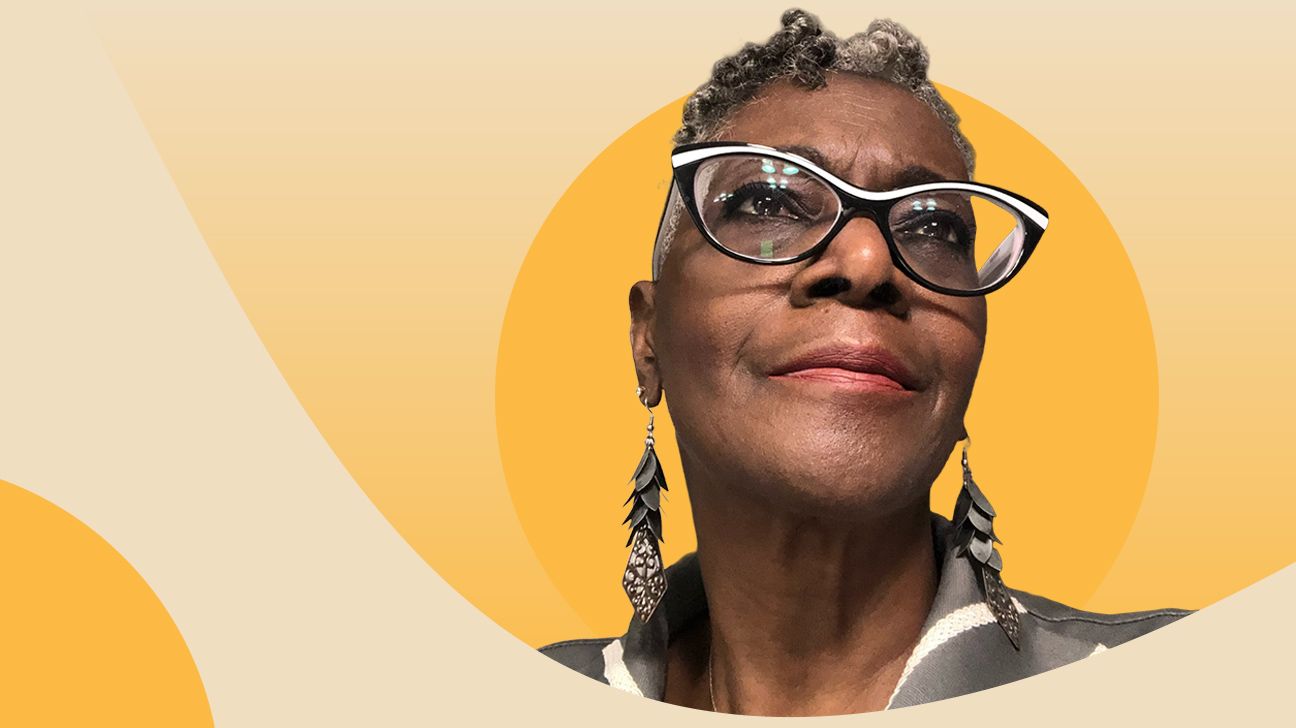
Barbara Roberts HIV Journey and What It Teaches
If you want to understand how HIV care has changed, the Barbara Roberts HIV journey offers a sharp, human place to start. Her story matters because it spans more than 30 years of diagnosis, treatment shifts, fear, survival, and public stigma. That kind of timeline is rare, and it tells you something statistics alone cannot. You see what it meant to live through the years when an HIV diagnosis felt like a countdown, then through the era when antiretroviral therapy turned HIV into a manageable chronic condition for many people. But survival is only part of the story. Roberts’ experience also points to a harder truth. Medical progress can move fast, while public attitudes crawl. If you care about HIV, public health, or long-term recovery from trauma tied to illness, her case is still worth your attention now.
What stands out right away
- Barbara Roberts lived with HIV for decades, which puts a real face on long-term survival.
- Her story tracks the shift from early fear and limited treatment to modern HIV care.
- It also shows that stigma can outlast bad medicine.
- For readers today, the practical lesson is clear. Early testing, consistent treatment, and support still matter.
Why the Barbara Roberts HIV journey still matters
Some health stories fade because they are tied to one news cycle. This one does not. Roberts’ experience cuts across several big questions at once. What did it mean to get diagnosed in an earlier stage of the HIV epidemic? How did people stay alive as treatment options improved? And why does shame still stick to HIV when the science is far better than it was?
That is the reason this story has staying power.
Healthline framed Roberts’ path as a 30-year journey, and that framing is useful because HIV care is not one event. It is a long series of decisions, losses, adjustments, and medical routines. Think of it like renovating an old house while living inside it. You do not fix everything at once. You patch one wall, then another, while trying to keep the roof from leaking.
Long-term HIV survival is a medical story, but it is also a social one. Treatment can keep a person alive. Acceptance helps make that life livable.
How HIV treatment changed during the Barbara Roberts HIV journey
Early in the epidemic, treatment options were thin and often punishing. People with HIV faced uncertainty that younger patients today may find hard to picture. Doctors had fewer tools. Side effects could be rough. Prognosis was often grim.
Then antiretroviral therapy changed the math. Combination treatment made viral suppression possible for many patients, and that shifted HIV from an immediate fatal threat to a chronic condition that can often be managed over the long term. According to the U.S. Department of Health and Human Services and the CDC, people who take HIV medicine as prescribed and maintain an undetectable viral load can live long, healthy lives, and they do not sexually transmit HIV to partners. That last point is known as Undetectable = Untransmittable, or U=U.
Look, this is one of the biggest public health wins of the past few decades. But stories like Roberts’ remind you that getting from diagnosis to stability is rarely neat.
What that means for patients now
- Get tested if you think you were exposed or if you are due for routine screening.
- Start treatment quickly if you test positive.
- Stay in care, even when you feel well.
- Ask about viral load, CD4 count, side effects, and drug interactions.
- Build a support system beyond the clinic, because isolation can wreck adherence.
The part medicine alone does not fix
HIV stigma has always distorted public understanding. It can shape how families react, how employers behave, and whether patients seek care early. Roberts’ story appears to carry that older emotional weight, the kind many long-term survivors know well. You survive the virus, then spend years dealing with what other people attach to it.
Honestly, this is where a lot of public discussion still falls short. We talk about drug regimens, prevention tools, and case rates, all of which matter. But do we spend enough time on the emotional residue of living with a highly stigmatized diagnosis for decades?
Probably not.
And stigma is not a side issue. Research from groups such as UNAIDS and the CDC has linked HIV stigma to delayed testing, weaker engagement in care, and poorer mental health. That means shame is not just cruel. It is bad health policy.
What readers can learn from long-term HIV survivors
People who have lived with HIV for decades carry a kind of field knowledge that health systems do not always value enough. They know what adherence feels like in real life. They know how treatment fatigue builds. They know how language from doctors, media, and even friends can either steady a person or knock them flat.
If you are living with HIV, or helping someone who is, a few lessons keep showing up in survivor stories:
- Consistency beats panic. Daily treatment habits matter more than bursts of fear-driven action.
- Information matters. Good HIV care depends on current facts, not myths from the 1980s or 1990s.
- Mental health is part of treatment. Depression, anxiety, and trauma can interfere with care.
- Community counts. Peer support can make the difference between dropping out of care and staying engaged.
How to talk about HIV without repeating old mistakes
Language still matters more than many people admit. If you are a journalist, clinician, family member, or friend, precision is non-negotiable. Say a person is living with HIV. Do not reduce them to the diagnosis. Do not treat older HIV stories as relics either, because the epidemic did not end. It changed.
Here is a better way to frame it (and it should be standard by now): focus on health access, treatment success, prevention, and dignity. That gives readers useful information instead of recycled fear.
Practical tips for better HIV conversations
- Lead with facts from current sources such as the CDC, NIH, or UNAIDS.
- Avoid implying that HIV status says something about a person’s character.
- Make room for long-term survivor perspectives.
- Explain modern treatment clearly, including viral suppression and U=U.
- Do not flatten the story into tragedy if the person’s life is larger than the diagnosis.
What Barbara Roberts’ story says about progress
The Barbara Roberts HIV journey is, in one sense, proof of progress. A person living with HIV across three decades now represents something medicine once struggled to imagine at scale. That is real progress, and it should be said plainly.
But her story also pushes back on easy optimism. Better drugs do not erase what people endured before those drugs arrived. They do not automatically fix housing problems, poverty, racism, homophobia, or medical mistrust either. HIV care is strongest when it treats the whole person, not just the viral load.
That is the next test. Not whether science can keep moving, because it will. The harder question is whether our institutions can catch up to what survivors have been telling us for years.
Sources
This article was medically reviewed and draws from peer-reviewed research and clinical guidelines published by:
- National Institute on Drug Abuse (NIDA)
- Substance Abuse and Mental Health Services Administration (SAMHSA)
- Centers for Disease Control and Prevention (CDC)
- MedlinePlus — U.S. National Library of Medicine
Content is reviewed for medical accuracy by our editorial team. Last reviewed: May 11, 2026.
Medical Disclaimer: This article is for educational purposes only. It is not a substitute for professional medical advice, diagnosis, or treatment. Always consult a qualified healthcare provider before making changes to your treatment plan. If you are experiencing a medical emergency, call 911 immediately. For substance use support, call SAMHSA at 1-800-662-4357 (free, confidential, 24/7).