
Bloating and Colon Cancer: When to Get Checked
Bloating and Colon Cancer: When to Get Checked
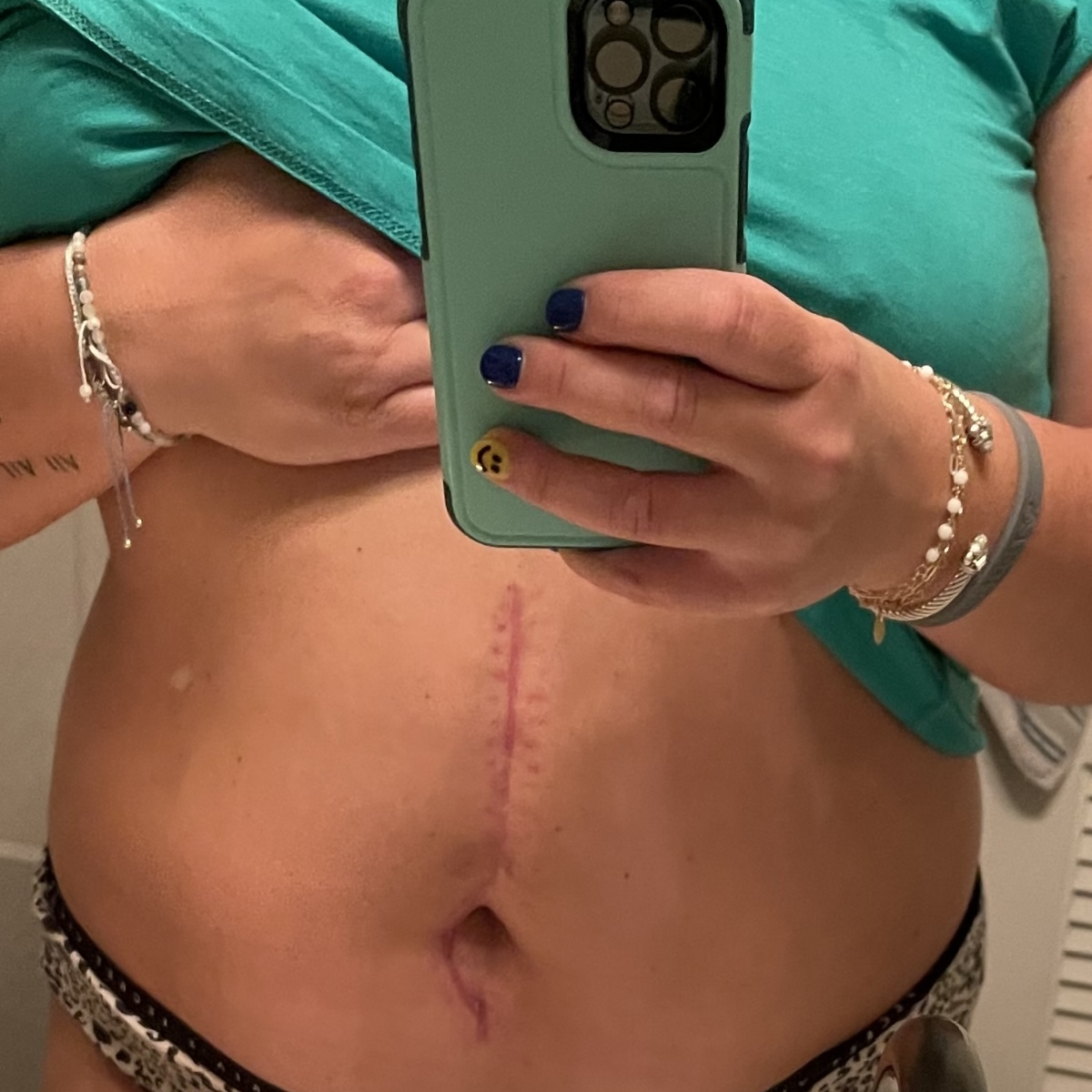
You feel bloated again, and it is easy to blame dinner, stress, or a sluggish gut. Most of the time, that is fair. But bloating and colon cancer can overlap in ways people miss, especially when symptoms build slowly or look like irritable bowel syndrome. Healthline recently reported on a case involving colon cancer, ongoing bloating, and a BRCA2 mutation, which raised a question many people quietly ask: when does a common stomach symptom deserve a serious look?
The short answer is this. Bloating alone rarely means cancer. Persistent bloating, new bowel changes, rectal bleeding, anemia, pelvic or belly pain, or weight loss should not be brushed off. Colon cancer rates have also risen in adults under 50, according to the American Cancer Society. That makes symptom awareness more than health trivia. It is a practical screening issue.
What deserves your attention
- Occasional bloating after meals is common, but bloating that persists for weeks needs medical review.
- Colon cancer symptoms can include bowel changes, blood in stool, belly pain, fatigue, anemia, and weight loss.
- BRCA2 is best known for breast, ovarian, pancreatic, and prostate cancer risk. Its link to colon cancer is less settled.
- Younger adults should not ignore red-flag symptoms because early-onset colorectal cancer is increasing.
- A colonoscopy can find cancer and remove precancerous polyps in the same procedure.
Bloating and colon cancer: what is the link?
Bloating happens when gas, stool, fluid, or slowed digestion makes your abdomen feel full or tight. That can come from constipation, food intolerance, menstrual cycle changes, medications, gut infections, or IBS. Common things are common. Still, colon cancer can cause bloating when a tumor narrows part of the bowel, changes motility, or causes partial blockage.
Here is the thing I have seen after years covering health stories. People often wait because the symptom feels too ordinary. They do not want to sound alarmist. But cancer rarely arrives with a neon sign. It often looks like a pattern that will not go away.
Do not judge bloating by one bad day. Judge it by persistence, pattern, and what travels with it.
Think of your digestive tract like plumbing in an old building. A single slow drain may be nothing, but slow draining plus pressure, discoloration, and repeat backups tells you the system needs inspection.
Red flags that make bloating harder to dismiss
Doctors look for clusters of symptoms, not one isolated complaint. If bloating appears with any of the signs below, book an appointment rather than trying another supplement or elimination diet.
- Blood in your stool, whether bright red or dark and tar-like.
- A new bowel pattern, including diarrhea, constipation, thinner stools, or urgency that lasts more than a couple of weeks.
- Unexplained weight loss or loss of appetite.
- Ongoing abdominal pain, cramping, pelvic pressure, or a sense that you cannot fully empty your bowel.
- Fatigue or anemia, especially iron-deficiency anemia without a clear cause.
- Vomiting or severe swelling, which can signal a bowel blockage and needs urgent care.
One symptom that often gets minimized is anemia. The National Cancer Institute and major cancer centers list blood loss from colon tumors as a possible cause. You may never see blood in the toilet, yet a blood test can show low iron.
That is the detail people miss.
Bloating and colon cancer risk if you carry BRCA2
BRCA2 mutations are inherited changes that can raise the risk of several cancers. Most people know about breast and ovarian cancer, but BRCA2 is also linked to higher risks of pancreatic cancer, prostate cancer, and melanoma in some guidance. Colon cancer is more complicated.
Some studies have suggested a possible association between BRCA mutations and colorectal cancer, while others have not found a strong enough link to change screening rules for everyone with BRCA2. That matters. You do not want false reassurance, but you also do not want genetic panic.
If you carry a BRCA2 mutation, your screening plan should be personal. Your doctor or genetic counselor will look at your full family history, including colon polyps, colorectal cancer, pancreatic cancer, breast cancer, and age at diagnosis among relatives. If colon cancer runs in your family, that may shift your screening timeline even if BRCA2 alone does not.
What if you do not know your genetic status? Family history can still guide the first step. A parent, sibling, or child with colorectal cancer, especially before age 50, is a strong reason to ask about earlier screening.
Why younger adults should take symptoms seriously
Colon cancer screening in the United States now starts at age 45 for people at average risk, based on guidance from groups such as the American Cancer Society and the U.S. Preventive Services Task Force. That change did not happen by accident. Colorectal cancer has been rising in younger adults for years.
Screening age is a population rule, not a symptom rule. If you have rectal bleeding at 32, you do not need to wait until 45 to ask for evaluation. Same goes for persistent bloating with bowel changes or anemia.
Honestly, this is where patients sometimes have to push. If you are told it is probably hemorrhoids, IBS, or stress, ask what would confirm that. Would blood work help? Would a stool test help? Do your symptoms justify referral to a gastroenterologist?
What your doctor may do next
A good evaluation starts with history. Your clinician should ask how long the bloating has lasted, what your stools look like, whether symptoms wake you at night, and whether you have bleeding, weight loss, or family history. Then comes the practical part.
- Physical exam: This may include an abdominal exam and, when appropriate, a rectal exam.
- Blood tests: A complete blood count can check for anemia. Iron studies may show slow blood loss.
- Stool tests: FIT or stool DNA tests can detect hidden blood or abnormal markers, though they do not replace colonoscopy when symptoms are concerning.
- Colonoscopy: This lets a specialist view the colon, biopsy suspicious tissue, and remove many polyps.
- Imaging: CT scans may be used if obstruction, advanced disease, or another abdominal issue is suspected.
Colonoscopy gets a bad reputation because of the prep, not the procedure. The prep is unpleasant, yes. But the test is both diagnostic and preventive, which is rare in medicine.
How to track bloating before your appointment
You do not need a fancy app. Bring clear information. Doctors make better decisions when you can describe timing, triggers, and changes without guessing.
Track these details for 1 to 2 weeks if symptoms are not urgent:
- How often bloating happens and whether it worsens through the day.
- Stool frequency, stool shape, and any blood or mucus.
- Pain location and severity.
- Food triggers, alcohol use, new medications, and supplements.
- Weight changes, fatigue, fever, or night sweats.
- Your family history of colorectal cancer, polyps, BRCA mutations, Lynch syndrome, or other inherited cancer syndromes.
Do not spend months experimenting if the pattern is new, persistent, or paired with red flags. A low-FODMAP diet or constipation plan may help some people, but symptom management should not delay testing when warning signs are present.
Bloating and colon cancer screening: the practical next step
If you are 45 or older and have not started colorectal cancer screening, schedule it. If you are younger but have symptoms, family history, inflammatory bowel disease, a known inherited cancer syndrome, or prior polyps, ask whether you need earlier testing.
The Healthline case is useful because it cuts through a lazy assumption: young or busy people can always explain away bloating. Sometimes they can. Sometimes they cannot. The smarter move is not fear, it is pattern recognition backed by testing.
Here is my blunt advice. If your gut has changed and stayed changed, write down the facts and bring them to a clinician. If blood, anemia, weight loss, or persistent bowel changes are part of the story, ask directly whether colonoscopy makes sense. What is the cost of checking compared with the cost of waiting?
Sources
This article was medically reviewed and draws from peer-reviewed research and clinical guidelines published by:
- National Institute on Drug Abuse (NIDA)
- Substance Abuse and Mental Health Services Administration (SAMHSA)
- Centers for Disease Control and Prevention (CDC)
- MedlinePlus — U.S. National Library of Medicine
Content is reviewed for medical accuracy by our editorial team. Last reviewed: September 13, 2026.
Medical Disclaimer: This article is for educational purposes only. It is not a substitute for professional medical advice, diagnosis, or treatment. Always consult a qualified healthcare provider before making changes to your treatment plan. If you are experiencing a medical emergency, call 911 immediately. For substance use support, call SAMHSA at 1-800-662-4357 (free, confidential, 24/7).