
Blood Pressure Medication Recall: What to Check Now
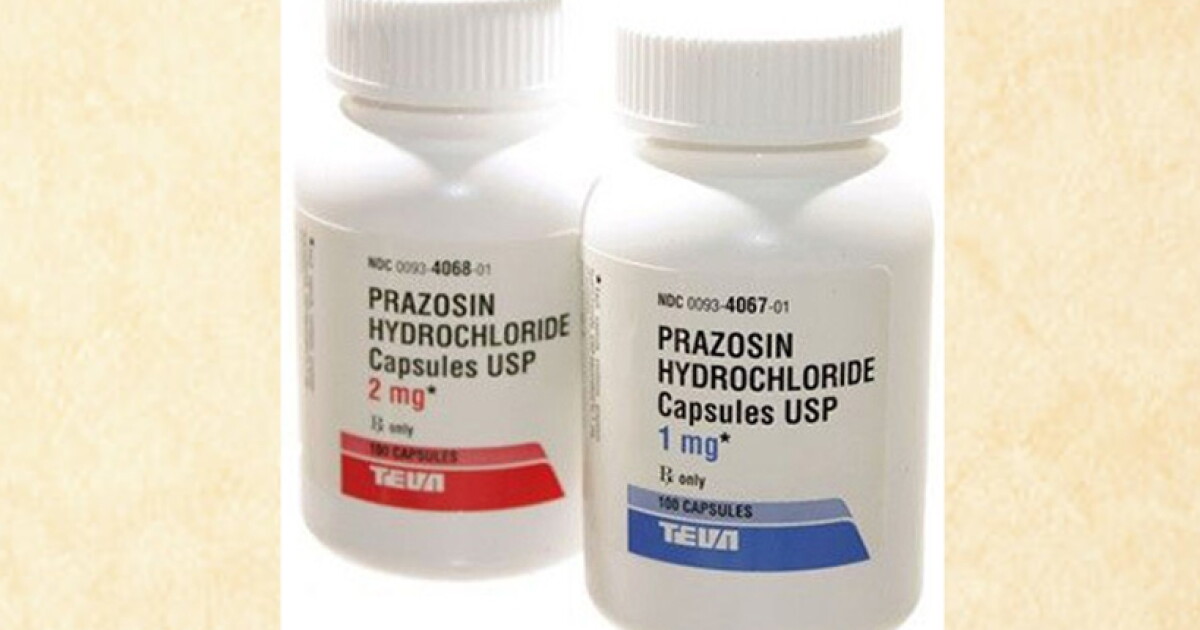
Blood Pressure Medication Recall: What to Check Now
Your blood pressure pills are supposed to lower risk, not add a new one. That is why a blood pressure medication recall deserves quick attention, especially if you take medicine every day and refill it on autopilot. Healthline reported on a nationwide recall tied to an FDA notice, which means patients should check their bottles instead of assuming the pharmacy already caught every affected product.
Here is the practical part. Most recalls do not mean every version of a drug is unsafe. They usually apply to specific lots, expiration dates, package sizes, or manufacturers. Still, a missed recall can matter. Taking the wrong strength, a contaminated pill, or a mislabeled bottle can affect your blood pressure control. And with hypertension, small changes can stack up quietly.
What matters first
- Check the drug name, manufacturer, lot number, expiration date, and NDC on your bottle.
- Do not stop a blood pressure medicine without talking to a pharmacist or prescriber.
- Call your pharmacy if the label does not show the lot number or manufacturer clearly.
- Ask for a replacement only if your bottle matches the recalled product details.
- Report side effects or dosing concerns to your clinician and, when appropriate, FDA MedWatch.
Why this blood pressure medication recall matters
A recall is a quality control action. It can happen because of contamination, a labeling error, a packaging problem, a failed stability test, or the wrong dose in the bottle. The FDA recall notice is the source that matters because it lists the exact product details.
Hypertension treatment is not like taking a casual pain reliever once in a while. Many people take these drugs for years, and the margin for error can be tight. Too little medicine may leave blood pressure uncontrolled. Too much can lead to dizziness, fainting, low blood pressure, or kidney strain, depending on the drug and your health history.
Do not judge a recall by the headline alone. Judge it by the lot number on your bottle.
Look, this is the boring part of medicine that keeps people safe.
How to check if your medicine is included in the blood pressure medication recall
Start with the bottle you use every day. The pharmacy label often shows the drug name and strength, but it may not show every recall detail. The manufacturer and lot number may appear on the original stock bottle, which you may not have if your pharmacy dispensed tablets into a smaller container.
If your label is incomplete, call the pharmacy. Give them your prescription number and ask whether your fill came from the recalled lot. A good pharmacy can check purchase records, dispensing records, and stock information.
What to compare
- Drug name: Match the full generic or brand name. Similar names are not enough.
- Strength: Confirm the milligram dose, such as 2.5 mg, 5 mg, 10 mg, or another listed strength.
- Manufacturer: Generic medicines can come from several companies.
- Lot number: This is the most useful identifier in most recalls.
- Expiration date: Some recalls apply only to products with certain dates.
- NDC: The National Drug Code identifies the package and product version.
Think of it like checking a jersey number in a crowded stadium. The team name helps, but the number tells you who you are actually looking at.
What you should do if your bottle matches the recall
If your medicine matches the FDA recall details, call your pharmacist before taking your next step. In many cases, the pharmacy can replace the medication, contact your prescriber, or tell you how to return the affected bottle.
What should you not do? Do not toss the bottle before documenting it. Take photos of the front label, lot number, expiration date, and any markings on the tablets. That makes it easier for your pharmacy, insurer, or clinician to sort out the replacement.
- Ask whether you should keep taking the medicine until a replacement is ready.
- Ask whether a different manufacturer is available.
- Ask whether your prescriber needs to send a new prescription.
- Ask what symptoms should prompt urgent care, especially if you feel faint, weak, short of breath, or have chest pain.
For most patients, the safest move is controlled replacement, not sudden interruption. High blood pressure can rebound, and that can raise the risk of stroke, heart attack, or other complications in some people.
What if you already took the recalled medicine?
Do not panic. Taking a recalled product does not automatically mean you were harmed. Risk depends on the reason for the recall, how long you took the affected product, your dose, your age, and whether you have kidney disease, heart disease, diabetes, or other conditions.
Call your prescriber if you noticed new symptoms after starting a recent refill. Dizziness, swelling, unusual fatigue, fainting, rapid heartbeat, or blood pressure readings far outside your usual range deserve attention. If you track blood pressure at home, share recent readings and the date you began the recalled bottle.
Bring this information to the call
- Your current blood pressure readings, with dates and times.
- The name and strength of the medication.
- The pharmacy where you filled it.
- The refill date.
- Any symptoms and when they started.
- Other blood pressure drugs or heart medicines you take.
How the FDA classifies recalls
The FDA classifies recalls by health risk. Class I recalls involve the highest risk, where exposure may cause serious health problems or death. Class II recalls may cause temporary or medically reversible health problems. Class III recalls are less likely to cause harm but still violate FDA rules or quality standards.
That classification helps frame urgency, but it does not replace medical advice. A Class II recall may still matter a lot if you are frail, pregnant, managing kidney disease, or taking several drugs that affect blood pressure.
Healthline cited the FDA notice as the basis for its report. For the cleanest answer, compare your bottle against the FDA recall listing and then confirm with your pharmacy. News stories are useful for awareness. The FDA notice and pharmacy records settle the details.
How to reduce recall confusion next time
Medication recalls are easier to handle when you keep a few records. You do not need a fancy system. A photo album on your phone works.
- Photograph each new prescription bottle when you pick it up.
- Keep the patient information sheet until the bottle is finished.
- Use one pharmacy when possible so records stay in one place.
- Ask your pharmacist to list the manufacturer if your label does not show it.
- Sign up for pharmacy text alerts if your pharmacy offers recall notices.
Honestly, this is one of those small habits that pays off only on the worst day. That is exactly why it is worth doing.
The next smart move
If you take a blood pressure drug, check your bottle today against the recall details from the FDA notice reported by Healthline. If anything matches, call your pharmacist before changing your dose. The headline may sound alarming, but the answer is usually found in small print: lot number, manufacturer, and expiration date.
And if your pharmacy cannot answer quickly, ask them to escalate the question to the pharmacist in charge. Your treatment should not depend on guesswork.
Sources
This article was medically reviewed and draws from peer-reviewed research and clinical guidelines published by:
- National Institute on Drug Abuse (NIDA)
- Substance Abuse and Mental Health Services Administration (SAMHSA)
- Centers for Disease Control and Prevention (CDC)
- MedlinePlus — U.S. National Library of Medicine
Content is reviewed for medical accuracy by our editorial team. Last reviewed: October 4, 2026.
Medical Disclaimer: This article is for educational purposes only. It is not a substitute for professional medical advice, diagnosis, or treatment. Always consult a qualified healthcare provider before making changes to your treatment plan. If you are experiencing a medical emergency, call 911 immediately. For substance use support, call SAMHSA at 1-800-662-4357 (free, confidential, 24/7).