
Cannabis Withdrawal: Symptoms and Management
Is Cannabis Withdrawal Real?
Cannabis withdrawal syndrome (CWS) is a recognized medical condition that affects regular cannabis users who stop or significantly reduce their consumption. Despite the persistent myth that cannabis is not addictive, the DSM-5 officially includes cannabis withdrawal as a diagnosable condition. Research published in the Journal of the American Medical Association found that approximately 47% of regular cannabis users experience withdrawal symptoms when they stop.
Understanding cannabis withdrawal helps you prepare for the process and increases your chances of successfully stopping or reducing your use.
Key Facts About Cannabis Withdrawal
- Cannabis withdrawal is recognized by both the DSM-5 and ICD-11 as a clinical condition
- Symptoms typically begin within 1 to 3 days of stopping and peak between days 2 and 6
- Most symptoms resolve within 1 to 3 weeks, though sleep disturbances may persist longer
- Higher THC concentrations in modern cannabis products may produce more intense withdrawal
Why Cannabis Withdrawal Happens
THC, the primary psychoactive compound in cannabis, activates cannabinoid receptors (CB1 receptors) throughout your brain and body. These receptors are part of your endocannabinoid system, which regulates mood, appetite, sleep, and pain perception.
With regular use, your CB1 receptors become desensitized (downregulated). Your body also reduces its own endocannabinoid production, relying on THC to fill that role. When you stop using cannabis, your endocannabinoid system requires time to recalibrate. The withdrawal symptoms you experience reflect this temporary imbalance.
"Cannabis withdrawal syndrome is a valid clinical diagnosis associated with significant distress and functional impairment. Its recognition helps clinicians provide appropriate support during cessation attempts." - Journal of Clinical Psychology, 2020
Cannabis Withdrawal Symptoms
Psychological Symptoms
- Irritability, anger, or aggression: this is the most commonly reported symptom, affecting up to 76% of people experiencing CWS
- Anxiety and nervousness
- Depression and low mood
- Restlessness and difficulty relaxing
- Vivid, disturbing, or unusual dreams
- Difficulty concentrating
Physical Symptoms
- Insomnia and sleep disturbances: this is the longest-lasting withdrawal symptom, persisting for weeks in some users
- Decreased appetite and weight loss
- Stomach pain, nausea, or cramping
- Sweating, especially night sweats
- Headaches
- Tremors or shakiness
- Chills
Cannabis Withdrawal Timeline
- Days 1 to 2: irritability, anxiety, and insomnia begin. Appetite decreases. Cravings for cannabis start.
- Days 2 to 6: symptoms reach peak intensity. Irritability, sleep disruption, and decreased appetite are at their worst. Night sweats and vivid dreams are common.
- Days 7 to 14: most symptoms gradually improve. Sleep may remain disrupted. Cravings occur intermittently.
- Weeks 2 to 4: most physical symptoms resolve. Some users experience lingering sleep difficulties and occasional cravings.
Factors That Influence Withdrawal Severity
Not everyone who stops cannabis experiences the same withdrawal. Several factors affect the intensity and duration of your symptoms:
- Frequency of use: daily users experience more severe withdrawal than occasional users
- Duration of use: longer use histories produce more intense withdrawal
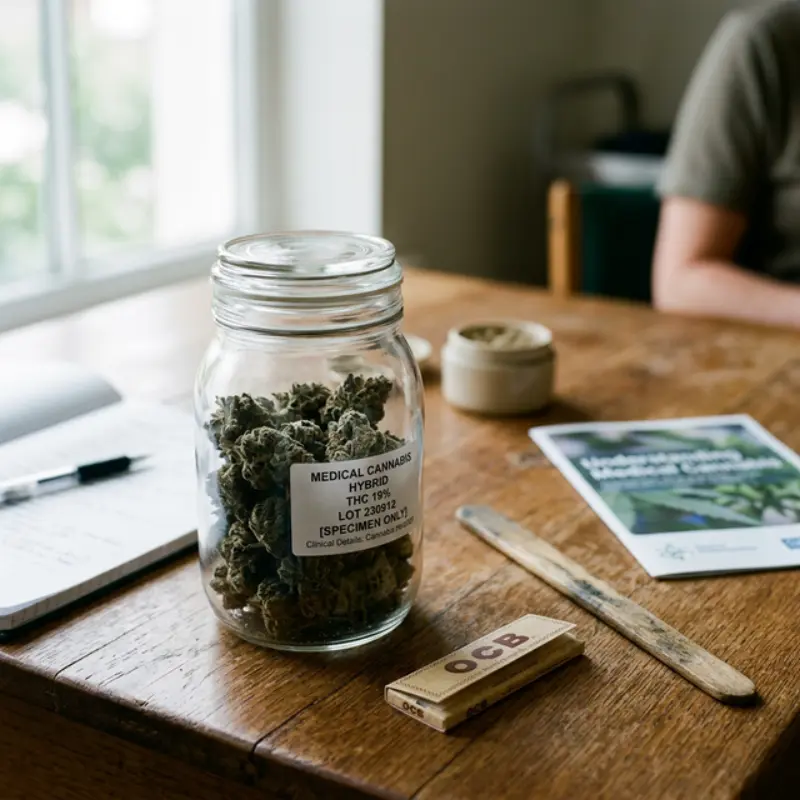
- THC potency: modern cannabis products contain THC concentrations of 20% to 30% or higher, compared to 3% to 5% in the 1990s. Higher potency correlates with greater dependence and withdrawal severity.
- Method of consumption: concentrates (dabs, vape cartridges) deliver very high THC doses and may produce more severe withdrawal
- Individual biology: your genetic makeup, body fat percentage (THC is fat-soluble), and overall health affect withdrawal
Managing Cannabis Withdrawal
Gradual Reduction vs. Cold Turkey
If you have been using cannabis heavily, gradually reducing your dose over 1 to 2 weeks before stopping completely may ease withdrawal severity. This approach gives your endocannabinoid system time to adjust.
Sleep Strategies
Sleep disruption is the most persistent withdrawal symptom. These strategies help:
- Maintain a consistent sleep schedule (same bedtime and wake time daily)
- Avoid screens for at least 1 hour before bed
- Keep your bedroom cool, dark, and quiet
- Practice relaxation techniques: deep breathing, progressive muscle relaxation, or guided meditation
- Avoid caffeine after noon
- Exercise regularly, but not within 3 hours of bedtime
Exercise
Physical activity is one of the most effective tools for managing cannabis withdrawal. Exercise:
- Boosts endocannabinoid production naturally
- Reduces anxiety and irritability
- Improves sleep quality
- Elevates mood through endorphin release
- Provides a healthy distraction from cravings
Nutrition and Hydration
- Eat regular meals even when your appetite is low. Small, frequent snacks are easier to manage than large meals.
- Focus on whole foods: fruits, vegetables, lean proteins, and whole grains
- Stay hydrated with water and herbal teas
- Limit caffeine and avoid alcohol
Coping With Cravings
- Cravings are temporary. Most intense cravings last 15 to 30 minutes.
- Use the "HALT" check: are you Hungry, Angry/Anxious, Lonely, or Tired? Addressing these basic needs reduces craving intensity.
- Engage in an activity that requires your attention: exercise, calling a friend, cooking, or playing a game
- Remind yourself why you decided to stop. Write these reasons down and read them when cravings hit.
When to Seek Professional Help
Cannabis withdrawal is not medically dangerous, but professional support improves outcomes. Seek help if:
- Previous attempts to quit on your own have failed
- Withdrawal symptoms are severe enough to interfere with your work, relationships, or daily functioning
- You experience depression or anxiety that feels unmanageable
- You have co-occurring mental health conditions that worsen during withdrawal
Professional Treatment Options
- Cognitive-behavioral therapy (CBT) helps you identify triggers and develop strategies to maintain abstinence
- Motivational enhancement therapy (MET) strengthens your resolve to quit
- Outpatient counseling provides regular check-ins and support during the withdrawal period
- Support groups: Marijuana Anonymous (MA) and SMART Recovery offer peer-based support
Your First Step
Cannabis withdrawal is temporary. Your symptoms will improve. Millions of people successfully reduce or stop cannabis use every year.
If you are struggling, call SAMHSA's National Helpline at 1-800-662-4357 for free, confidential treatment referrals 24/7. Support is available, and you do not have to navigate this process alone.
Sources
This article was medically reviewed and draws from peer-reviewed research and clinical guidelines published by:
- National Institute on Drug Abuse (NIDA)
- Substance Abuse and Mental Health Services Administration (SAMHSA)
- Centers for Disease Control and Prevention (CDC)
- MedlinePlus — U.S. National Library of Medicine
Content is reviewed for medical accuracy by our editorial team. Last reviewed: September 10, 2025.
Medical Disclaimer: This article is for educational purposes only. It is not a substitute for professional medical advice, diagnosis, or treatment. Always consult a qualified healthcare provider before making changes to your treatment plan. If you are experiencing a medical emergency, call 911 immediately. For substance use support, call SAMHSA at 1-800-662-4357 (free, confidential, 24/7).
Related Articles

The Complete Guide to Alcohol Withdrawal
Alcohol withdrawal can be dangerous and even life-threatening. Here's what you need to know about symptoms, timeline, and treatment.

Heroin Withdrawal: Symptoms, Timeline, and Treatment
Heroin withdrawal is intensely uncomfortable. Learn about the timeline, symptoms, and medical treatments available.

Cocaine Withdrawal: What to Expect
Cocaine withdrawal is primarily psychological but can be intense. Learn about the timeline and coping strategies.