
Cervical Cancer Screening Gap in Women in Their 20s
Cervical Cancer Screening Gap in Women in Their 20s
If you are in your 20s and have never booked cervical cancer screening, you are far from alone. A Healthline report found that nearly one in three women in their 20s had never had cervical screening, a gap that should make clinicians, parents, and patients sit up. Cervical cancer is one of the more preventable cancers because screening can find abnormal cells before they turn dangerous. Yet missed appointments, confusion about guidelines, embarrassment, cost, and poor access keep too many people out of the exam room. That matters now because HPV, the virus behind most cervical cancers, is common soon after people become sexually active. Screening is not about fear. It is about catching quiet changes early, while treatment is simpler and outcomes are better.
What deserves your attention
- Healthline reported that nearly one in three women in their 20s had never had cervical screening.
- Most cervical cancers are linked to high-risk HPV, a common sexually transmitted virus.
- Screening can detect abnormal cervical cells before cancer develops.
- In the United States, routine screening generally starts at age 21 for people with a cervix.
- If you missed a test, you do not need to start over. You need to book the next right step.
Why cervical cancer screening is being missed
Look, this is not just a scheduling problem. For years, I have watched public health campaigns assume that awareness alone fixes behavior. It does not. People skip cervical screening for ordinary reasons that health systems often treat as afterthoughts.
Some patients do not know screening starts at 21. Others think the HPV vaccine means they no longer need testing. Some had a painful pelvic exam before and do not want a repeat. And many cannot get time off work, find childcare, or pay for a visit.
The hard truth: a screening program only works if people can access it without shame, surprise bills, or a maze of appointments.
There is also a communication problem. The terms Pap test, HPV test, pelvic exam, and cervical screening often get tossed around as if they mean the same thing. They do not, and that confusion costs appointments.
What cervical cancer screening actually checks
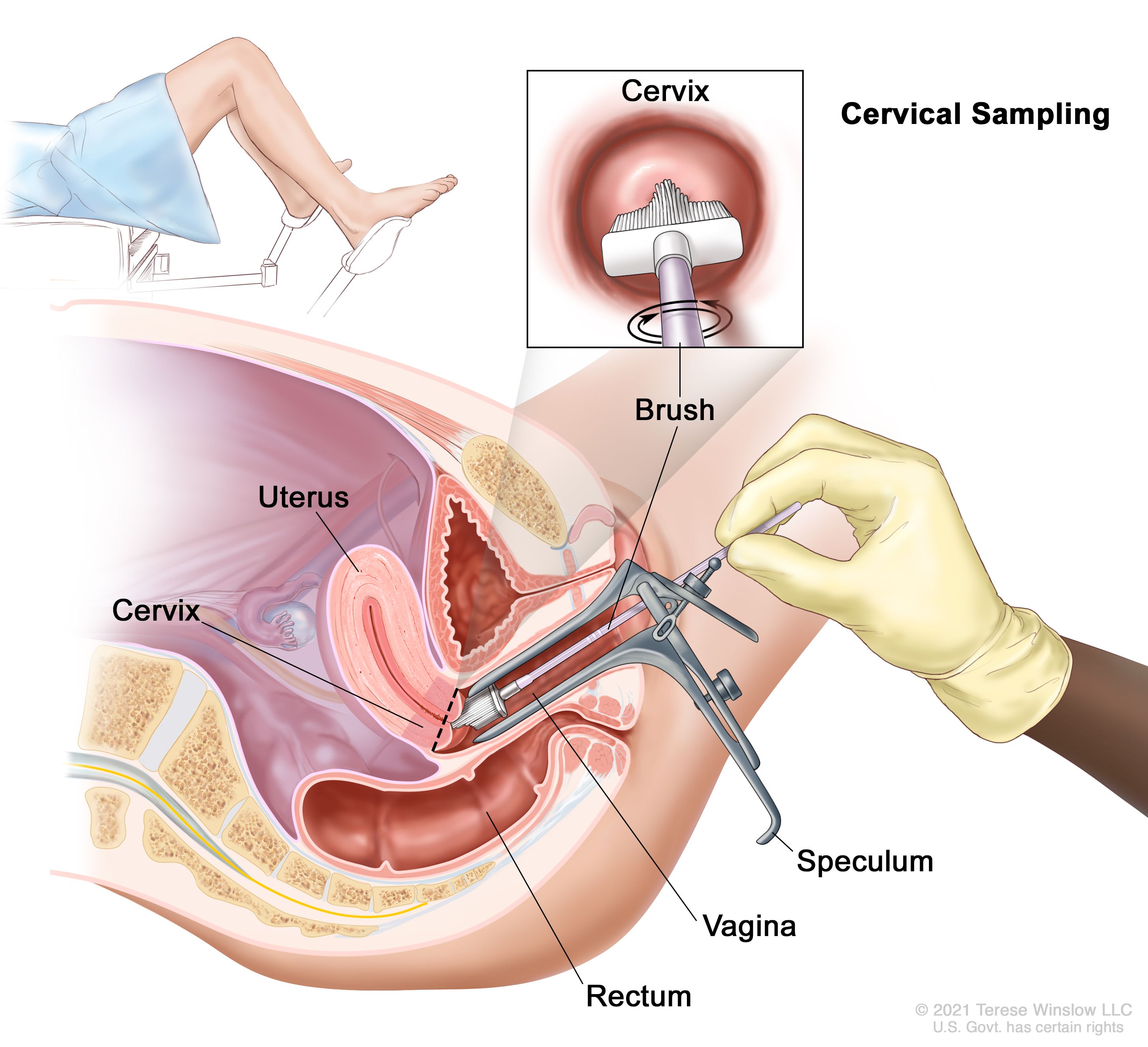
Cervical screening looks for warning signs on the cervix, which is the lower part of the uterus. The goal is not to diagnose cancer in most people. The goal is to find cell changes early enough to treat them before cancer appears.
A Pap test checks cervical cells for abnormal changes. An HPV test checks for high-risk HPV types that can lead to cervical cancer. Depending on your age, location, health history, and local guidelines, your clinician may recommend one test or both.
Think of it like checking the smoke alarm before you smell smoke.
That simple check can change the whole story.
Cervical cancer screening guidelines in plain English
Guidelines can vary by country and medical history, so your clinician’s advice matters. In the United States, major guidance from groups such as the U.S. Preventive Services Task Force generally follows this pattern for people at average risk:
- Ages 21 to 29: Pap test every 3 years.
- Ages 30 to 65: HPV testing every 5 years, Pap testing every 3 years, or co-testing every 5 years, depending on available options.
- Under 21: routine cervical screening is usually not recommended, even if you are sexually active.
- Over 65: some people can stop screening if they have had enough normal prior results.
Those are broad rules. If you have HIV, a weakened immune system, a history of cervical precancer, exposure to DES before birth, or abnormal prior results, you may need a different plan.
Why young women in their 20s are at risk of falling through the cracks
Your 20s are messy in the most practical sense. You may move cities, change insurance, leave a pediatrician, start college, begin shift work, or avoid care because every appointment feels expensive. Preventive health gets pushed down the list.
But HPV does not wait for life to get tidy. The Centers for Disease Control and Prevention has long noted that HPV is extremely common, and most sexually active people will get it at some point. Most infections clear on their own. Some persist, and those persistent high-risk infections are the ones screening is meant to catch.
So what should you do if you are 24, healthy, and have no symptoms? Book the screening. Cervical precancer usually does not announce itself with pain or bleeding. Waiting for symptoms is a bad strategy.
How to get cervical cancer screening without making it harder than it is
The fastest route is often your primary care clinic, OB-GYN, community health center, county health department, or a sexual health clinic. If cost is the barrier, ask directly about low-cost screening programs. Many clinics have options they do not advertise well.
Before you book, use this short script:
- “I am age 21 or older and need cervical cancer screening. Do I need a Pap test, HPV test, or both?”
- “What will the visit cost with my insurance, and what if I do not have insurance?”
- “Can I request a smaller speculum or stop the exam at any time?”
- “How will I get results, and when should I follow up?”
If you have anxiety about the exam, say so before the clinician starts. A good clinician will explain each step, ask for consent, and slow down. If they do not, you are allowed to choose someone else.
What abnormal results mean
An abnormal result does not mean you have cancer. This is where panic often outruns facts. Many abnormal Pap results are mild changes that clear or need monitoring.
Your clinician may recommend repeat testing, an HPV test, or a colposcopy, which is a closer look at the cervix with a magnifying device. Sometimes a small biopsy is taken. That sounds intimidating, but it is a common next step and helps sort low-risk changes from changes that need treatment.
The worst move is disappearing after an abnormal result. Follow-up is the safety net. Without it, screening loses much of its value.
The HPV vaccine still matters
The HPV vaccine lowers the risk of infection with HPV types linked to cervical cancer and other cancers. It is recommended for preteens, but many older teens and adults can still benefit. If you missed it earlier, ask whether catch-up vaccination makes sense for you.
But the vaccine does not replace cervical cancer screening. It protects against major HPV types, not every possible cancer-causing strain. Good prevention works more like a layered defense in football. One strong player helps, but you still need the rest of the line.
What to do next
If you are due or unsure, check your last screening date today. If you cannot find it, call your clinic or book an appointment and ask what test fits your age and history. If you are under 30 and have never been screened, do not treat that as a personal failure. Treat it as a fixable gap.
Healthline’s report should push health systems to make screening easier, but you do not have to wait for the system to improve. Put the appointment on your calendar, ask the awkward questions, and make the test happen. What is more practical than preventing a cancer before it starts?
Sources
This article was medically reviewed and draws from peer-reviewed research and clinical guidelines published by:
- National Institute on Drug Abuse (NIDA)
- Substance Abuse and Mental Health Services Administration (SAMHSA)
- Centers for Disease Control and Prevention (CDC)
- MedlinePlus — U.S. National Library of Medicine
Content is reviewed for medical accuracy by our editorial team. Last reviewed: September 11, 2026.
Medical Disclaimer: This article is for educational purposes only. It is not a substitute for professional medical advice, diagnosis, or treatment. Always consult a qualified healthcare provider before making changes to your treatment plan. If you are experiencing a medical emergency, call 911 immediately. For substance use support, call SAMHSA at 1-800-662-4357 (free, confidential, 24/7).