
Inside a Colon Cancer Recovery Story: Hard Lessons and Real Wins
Inside a Colon Cancer Recovery Story: Hard Lessons and Real Wins
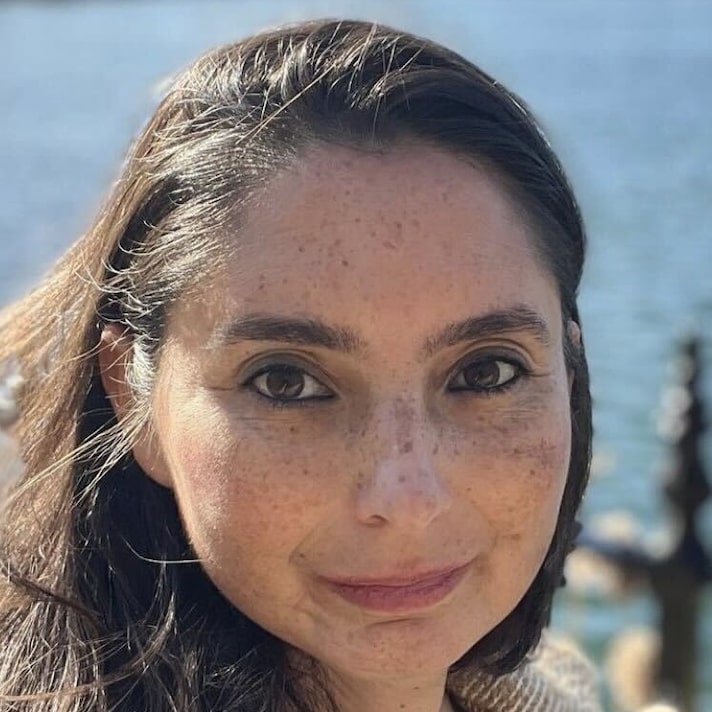
Colon cancer recovery story narratives hit differently when you hear the details from the patient. Heather Kaiser’s account of diagnosis, chemo, and life afterward shows why early screening is non-negotiable and how decisions pile up fast. You might think you understand treatment timelines, but the emotional budget can surprise you. What if the scan that saves your life shows up only because you pushed past discomfort? Here is how one person navigated the maze and what you can apply if you or someone you love faces the same fight.
Highlights You Can Use
- Early screening and fast follow-up change outcomes for colon cancer recovery story paths.
- Clear questions for oncologists keep treatment choices grounded in your priorities.
- Fatigue management and nutrition planning make chemo more tolerable.
- Mental health support and peer groups reduce isolation.
- Surveillance scans demand a long-term calendar, not a one-time sprint.
Why Screening Timelines Matter
Heather’s diagnosis started with persistent gut discomfort that might have been ignored. She pushed for a colonoscopy and got clarity before symptoms spiraled. That move echoes American Cancer Society guidance to begin screening at 45, or earlier with family history. Think of screening like changing the oil in your car before the engine seizes. It is cheaper, faster, and safer than emergency fixes.
“Catching it early gave me choices,” is the kind of line you hear often in GI oncology clinics, and it is true because stage at diagnosis dictates your playbook.
Ask for specifics: staging, lymph node involvement, and whether a surgical consult should come before chemo. One sentence to remember: timelines equal options.
Building a Colon Cancer Recovery Story Plan
Chemo regimens like FOLFOX or CAPOX can look identical on paper yet land differently on your body. Heather stacked her appointments on the same weekday to keep work and childcare predictable. That small operational decision lowered stress. You can do the same by grouping labs, infusions, and follow-ups when possible. And yes, bring a friend to the first session to catch details you might miss.
Short sentence. It is the anchor.
Questions to Bring to Your Oncologist
- What is the intent of therapy: curative or palliative?
- Which side effects signal an emergency versus a routine call?
- How will neuropathy risk be monitored, and when do we pause oxaliplatin?
- What scan schedule follows the last infusion?
This list keeps you from leaving the clinic with foggy notes. Write answers down or record with permission.
Staying Functional During Chemo
Fatigue is the tax you pay for treatment, but you can manage it. Heather split meals into smaller protein-heavy portions and kept a hydration log. That is not glamorous, but it works. Light walking helped her sleep better and eased nausea. Think of it like keeping a slow jog in soccer to stay match-ready instead of sprinting and burning out.
Set a weekly energy budget. Decide which tasks you will drop and who can pick them up. The goal is not heroics. It is consistency.
Side Effect Tactics That Help
- Cold sensitivity: warm gloves for fridge duty and room-temp drinks.
- Neuropathy watch: report tingling early to adjust dosing.
- Nausea control: take antiemetics on schedule, not only when you feel sick.
- Sleep quality: short afternoon naps instead of long ones to protect nighttime rest.
These moves sound small, yet they stack into better tolerance.
Colon Cancer Recovery Story: Life After the Last Infusion
Finishing chemo is a relief and a new stressor. Surveillance scans every three to six months keep the drumbeat going. Heather marked scan weeks on her calendar and planned low-key rewards afterward. That ritual turned dread into routine. Mental health work matters here; therapists who understand cancer journeys can spot anxiety spikes before they spiral.
Expect lingering neuropathy and possible chemo brain. Cognitive exercises and spaced breaks at work helped Heather rebuild focus. Employers often allow flexible schedules when you ask plainly. Do not wait for performance to slip before you request adjustments.
Support Systems That Stick
Friends want to help but need direction. Create a shared list for meals, rides, and childcare. It is like calling plays in football: clear assignments make the team work. Online groups from organizations like Colorectal Cancer Alliance can fill gaps when local support is thin. Peer stories give you practical hacks that clinicians might skip.
One more point: spiritual or community anchors can stabilize long weeks. That could be a faith group, a book club, or a running buddy who walks beside you while you talk through scanxiety. The label does not matter. The consistency does.
What This Means for You
You do not need to copy Heather’s every move. Use her colon cancer recovery story as a template to build your own plan: early screening, clear questions, tactical side effect management, and disciplined follow-up. The common thread is agency. Push for the tests, ask the direct questions, and set routines that keep you steady.
Ready to slot your next screening or to rewrite your treatment calendar so it serves you instead of the other way around?
Sources
This article was medically reviewed and draws from peer-reviewed research and clinical guidelines published by:
- National Institute on Drug Abuse (NIDA)
- Substance Abuse and Mental Health Services Administration (SAMHSA)
- Centers for Disease Control and Prevention (CDC)
- MedlinePlus — U.S. National Library of Medicine
Content is reviewed for medical accuracy by our editorial team. Last reviewed: April 13, 2026.
Medical Disclaimer: This article is for educational purposes only. It is not a substitute for professional medical advice, diagnosis, or treatment. Always consult a qualified healthcare provider before making changes to your treatment plan. If you are experiencing a medical emergency, call 911 immediately. For substance use support, call SAMHSA at 1-800-662-4357 (free, confidential, 24/7).