
Crohn’s Disease Pain Management: Why Diet Alone Won’t Save You
Crohn’s Disease Pain Management: Why Diet Alone Won’t Save You
You hurt, you Google, and every search result seems to shout about elimination diets. Yet your Crohn’s disease pain management keeps slipping through your fingers. The flare ups spike at work, during a commute, or right when you think your meal plan is perfect. How do you get relief without chasing every trend? Pain in Crohn’s disease is driven by inflammation, nerve signaling, and stress, not just what lands on your plate. You need a plan that blends medical care, realistic eating habits, and stress control so you can move through daily life with fewer surprises.
Rapid Fire Highlights
- Diet helps but is not a cure; inflammation and nerve sensitivity still drive pain.
- Track pain triggers alongside food to spot stress or sleep patterns that matter.
- Medication timing and formulation can reshape daily comfort.
- Movement and breathing drills lower gut pain perception.
- Know when severe pain signals complications that need quick care.
MainKeyword Reality: Crohn’s Disease Pain Management Beyond Food
Diet is a tool, not the toolkit. A low residue menu can ease cramps by reducing stool volume, but inflammation can still rage. Think of it like tightening a basketball defense without changing the coach; you need strategy plus execution. Short sentence for impact.
“Diet should complement, not replace, medical therapy,” says many gastroenterologists who see patients cycle through fads.
Ask yourself: are you adjusting meals while ignoring flare predictors like missed meds or heavy stress?
MainKeyword Playbook: Treatments That Actually Blunt Pain
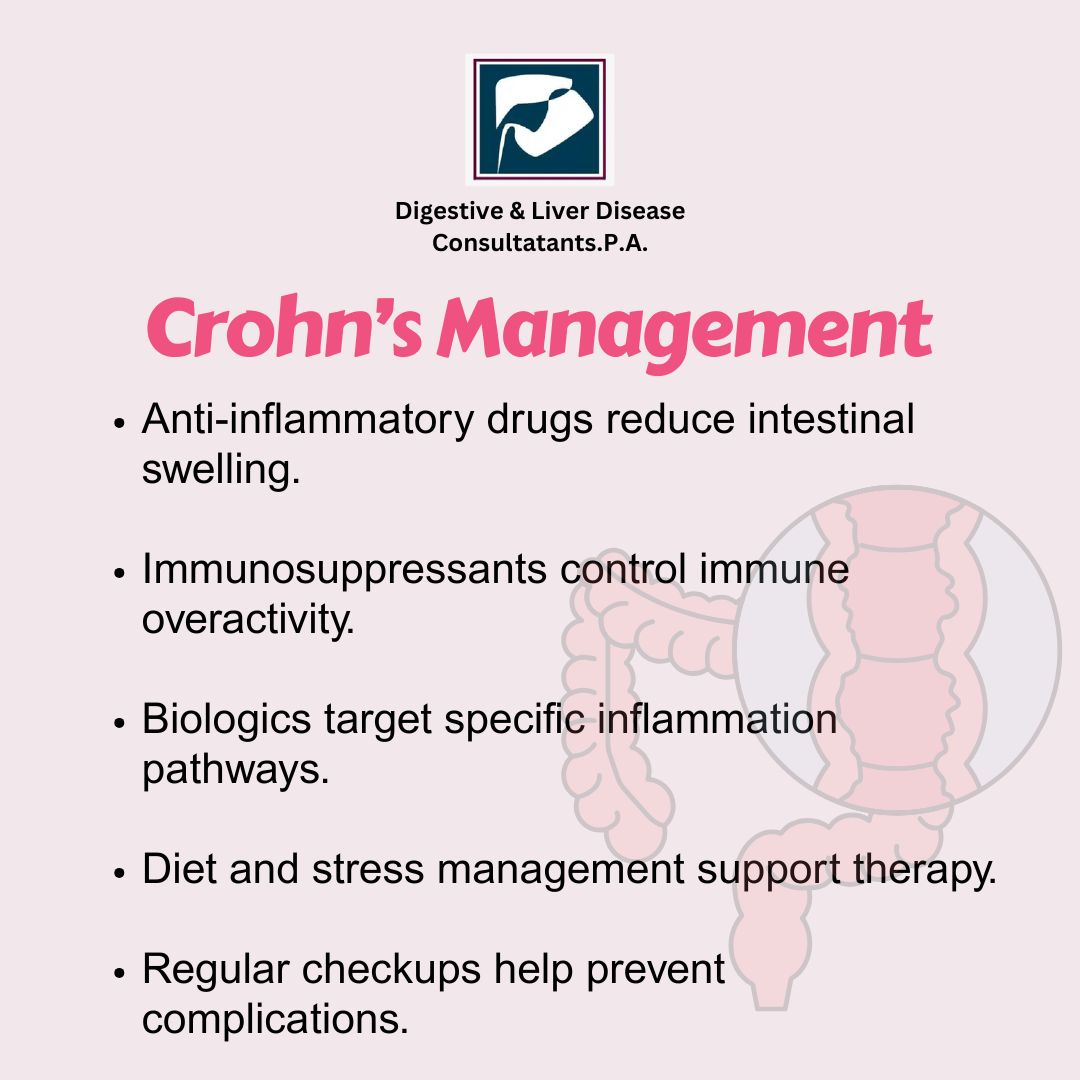
Medications address the biology that food cannot. Aminosalicylates calm surface inflammation. Steroids tamp down acute flares but should be short term. Biologics and small molecules target immune pathways to reduce deep gut injury. Timing matters; taking drugs consistently keeps trough levels steady. Skipping doses is like pulling your starting goalie mid-game.
- Confirm your dosing schedule with your GI team.
- Use reminders or pillboxes to avoid missed doses.
- Ask about pain-safe adjuncts like antispasmodics or bile acid binders if diarrhea drives pain.
Procedure options exist. Strictures may require dilation. Fistulas may need surgical repair. Severe, sudden pain with fever, rigid abdomen, or bloody output warrants urgent evaluation. That is non-negotiable.
How Diet Fits Without Taking Over
Food choices still matter, but precision beats restriction. Keep a short log that pairs meals with pain scores and stress levels. If high fiber triggers cramping during flares, pivot to cooked vegetables and white grains for a week, then reintroduce slowly. During remission, broader fiber intake can support microbiome diversity. Avoid overcutting calories; underfueling can worsen fatigue and recovery.
Hydration counts. Dehydration thickens stool and can intensify spasms. Add electrolytes during bouts of diarrhea. If dairy fuels pain, test lactose free products before cutting all dairy. Work with a dietitian familiar with inflammatory bowel disease; they can help you swap foods instead of shrinking your plate.
Stress, Sleep, and the Gut-Brain Loop
Stress modulation is not fluff. The enteric nervous system responds to cortisol spikes, amplifying pain. Short breathing sets, progressive muscle relaxation, or a brisk walk can lower perceived pain in minutes. Sleep debt primes the body for more inflammation. Aim for consistent bedtimes and limit late caffeine. Think of your routine like pregame warmups; the small habits set the tone.
One-sentence paragraph here for rhythm.
Biofeedback apps and cognitive behavioral therapy show promise in reducing chronic GI pain perception. They are tools, not therapy theater.
Exercise Without Aggravation
Light to moderate movement improves motility and mood. Start with walking or cycling sessions that do not jar your abdomen. Strength work is fine, but avoid heavy lifts during flares. If a motion spikes pain, back off. Athletes adjust training loads; you can too. Use a simple rule: no increase in pain 24 hours after a session.
Red Flags You Should Not Ignore
- Sudden, sharp pain with fever or chills.
- Persistent vomiting or inability to keep fluids down.
- Severe abdominal swelling or rigidity.
- New rectal bleeding or black stools.
These signs can signal obstruction, perforation, or severe inflammation. Do not wait them out. Call your care team or seek emergency care.
Building Your Personal Plan
Create a simple tracker that logs food, stress, sleep, meds, and pain scores for two weeks. Patterns usually surface by day five. Review it with your gastroenterologist and dietitian. Adjust one variable at a time to see what moves the needle. Consistency beats drastic weekly overhauls.
Leverage tech wisely. Set medication alarms. Use telehealth check-ins to tweak therapy before flares spiral. Keep a travel kit with meds, oral rehydration, and safe snacks so you stay steady on the road.
Where Evidence Meets Real Life
Studies from major IBD centers show that combining biologic therapy with targeted diet changes reduces hospitalizations more than diet changes alone. Pain scores drop when inflammation markers fall, not just when fiber shifts. That is the point: align diet with medical treatment instead of replacing it.
Social stories about miracle diets can be loud. Data driven care stays quiet but effective. Trust measured results over viral anecdotes.
Looking Ahead Without Panic
Your goal is not perfection; it is steadier days with fewer spikes. Keep your GI team in the loop, adjust meals based on flare status, and protect sleep like it is part of the prescription. Curious whether a new therapy or microbiome study could change your plan next year?
Sources
This article was medically reviewed and draws from peer-reviewed research and clinical guidelines published by:
- National Institute on Drug Abuse (NIDA)
- Substance Abuse and Mental Health Services Administration (SAMHSA)
- Centers for Disease Control and Prevention (CDC)
- MedlinePlus — U.S. National Library of Medicine
Content is reviewed for medical accuracy by our editorial team. Last reviewed: April 4, 2026.
Medical Disclaimer: This article is for educational purposes only. It is not a substitute for professional medical advice, diagnosis, or treatment. Always consult a qualified healthcare provider before making changes to your treatment plan. If you are experiencing a medical emergency, call 911 immediately. For substance use support, call SAMHSA at 1-800-662-4357 (free, confidential, 24/7).