
DASH Diet and Blood Pressure Medications: What New Research Suggests
DASH Diet and Blood Pressure Medications: What New Research Suggests
If you take medication for high blood pressure, you may have been told to watch potassium. That advice can feel confusing, especially because the DASH diet and blood pressure medications often get discussed together. DASH encourages potassium-rich foods like beans, potatoes, spinach, yogurt, and bananas. Some blood pressure drugs can also raise potassium levels. So what are you supposed to eat?
A recent study covered by Healthline adds useful nuance. Researchers reported that a potassium-rich DASH-style diet appeared safe for certain people taking ACE inhibitors or angiotensin receptor blockers, known as ARBs. That does not mean everyone should load up on potassium tomorrow. Kidney function, dose, age, diabetes, and other medications still matter. But the old blanket fear around potassium may be too blunt.
Here’s the thing: food is not a side issue in hypertension care. It is part of the treatment plan.
What matters most
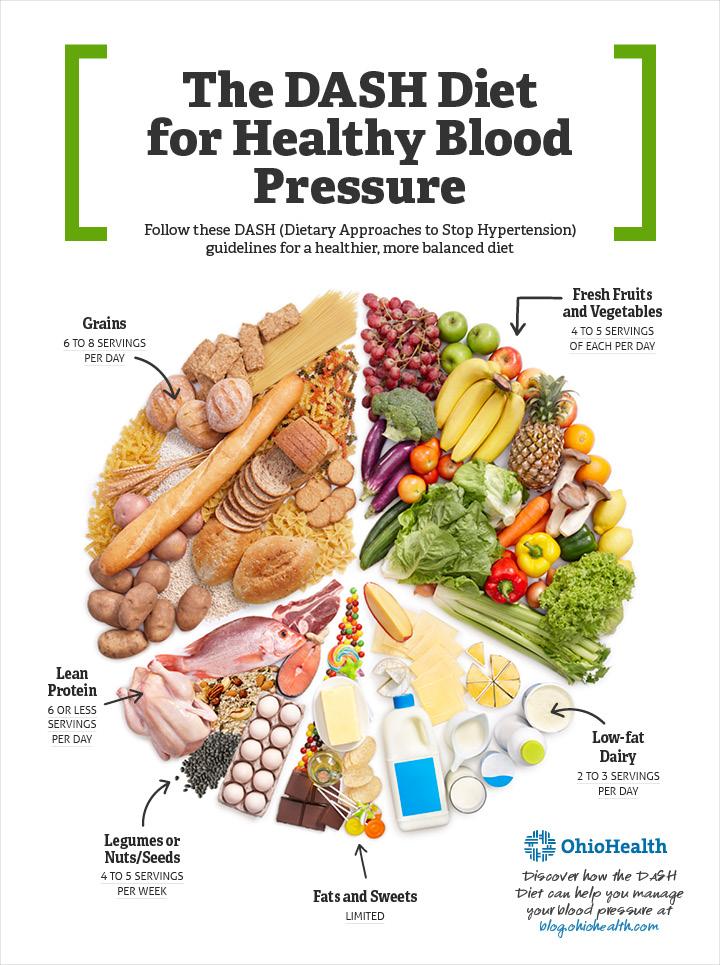
- The DASH diet can lower blood pressure by emphasizing fruits, vegetables, low-fat dairy, legumes, nuts, and lower sodium intake.
- ACE inhibitors and ARBs can raise potassium, which is why clinicians often monitor blood tests after starting or changing these drugs.
- New research suggests potassium-rich DASH eating may be safe for some patients on these medications, especially with normal kidney function.
- You should not start potassium supplements unless your clinician recommends them. Food and pills are not the same risk.
- Lab monitoring is the guardrail. Ask about serum potassium and kidney function, usually checked with a basic metabolic panel.
DASH Diet and Blood Pressure Medications: Why Potassium Causes Confusion
The DASH diet, short for Dietary Approaches to Stop Hypertension, has one of the better evidence records in nutrition. The original DASH trials, funded by the National Heart, Lung, and Blood Institute, showed meaningful reductions in blood pressure, especially when paired with lower sodium intake.
Potassium is part of that benefit. It helps your body handle sodium and supports normal blood vessel function. Many Americans also fall short of recommended potassium intake, according to federal dietary data.
But potassium has a narrow safety lane for some people.
ACE inhibitors, such as lisinopril, benazepril, and enalapril, and ARBs, such as losartan, valsartan, and olmesartan, affect the renin-angiotensin-aldosterone system. That system helps regulate blood pressure and fluid balance. These drugs can reduce potassium loss in urine, which may push blood potassium too high in certain patients.
High potassium, called hyperkalemia, can affect heart rhythm. The risk is higher if you have chronic kidney disease, heart failure, diabetes, dehydration, or if you take other potassium-raising drugs.
Food choices should be treated like part of the prescription, not background noise. But that does not mean every banana is a medical hazard.
What the New DASH Diet and Blood Pressure Medications Study Found
The Healthline report focused on research examining whether a potassium-rich DASH diet was safe for people taking certain blood pressure medications. The key finding was practical: among selected participants using ACE inhibitors or ARBs, the potassium-rich diet did not appear to cause dangerous potassium increases.
That is a useful challenge to the usual reflex. For years, many patients heard a simple warning: avoid potassium if you take these drugs. Simple, yes. Accurate for everyone? Not really.
Honestly, this is where medicine often gets clumsy. A person with advanced kidney disease and a person with normal kidney function should not get the same nutrition script.
Who may be a better fit?
You may be more likely to tolerate a DASH-style potassium intake if your kidney function is normal and your potassium level is already in range. Your clinician may also feel more comfortable if your medication dose is stable and you are not taking multiple potassium-raising drugs.
Still, this is not a green light for guesswork.
Who needs extra caution?
- People with chronic kidney disease or reduced estimated glomerular filtration rate, called eGFR
- People with a history of high potassium
- People taking spironolactone, eplerenone, trimethoprim, certain NSAIDs, or potassium supplements
- People with heart failure or poorly controlled diabetes
- Older adults with changing kidney function or dehydration risk
How to Use the DASH Diet Safely if You Take Blood Pressure Medication
Think of this like adjusting a recipe. Salt, acid, heat, and timing all matter. If you dump in one ingredient without tasting, dinner can go sideways. With blood pressure, potassium, sodium, medication, and kidney function all interact.
Start with your labs. Ask your clinician these direct questions:
- What was my last potassium level?
- What is my kidney function, including creatinine and eGFR?
- Do any of my medications raise potassium?
- Should I avoid potassium supplements or salt substitutes?
- When should I repeat blood work after changing my diet or medication?
Salt substitutes deserve special attention. Many replace sodium chloride with potassium chloride. That can turn a harmless-looking seasoning swap into a potassium spike, especially for someone on an ACE inhibitor, ARB, or mineralocorticoid receptor antagonist.
Food first, not supplement first
A DASH-style plate is not the same as swallowing a high-dose potassium pill. Foods bring fiber, magnesium, calcium, and other nutrients. They also tend to distribute potassium intake across meals.
Still, high-potassium foods add up. White potatoes, tomato paste, beet greens, lentils, dried apricots, avocado, yogurt, and orange juice can be potassium dense. You do not need to fear them automatically, but you should know where the potassium is coming from.
A Practical DASH Plan to Discuss With Your Clinician
If your doctor or dietitian says a DASH approach fits your situation, keep it boring at first. Boring works.
- Build half your plate around vegetables, using a mix of leafy greens, broccoli, carrots, peppers, or squash.
- Choose beans or fish several times a week, while keeping processed meats low.
- Use low-fat dairy if you tolerate it, such as yogurt or milk, which also supports DASH targets.
- Cut sodium gradually. Aim for fewer packaged foods, canned soups, deli meats, and salty restaurant meals.
- Track changes for two weeks, including home blood pressure readings and any medication changes.
What should you watch at home? Blood pressure trends matter more than one dramatic reading. Use an upper-arm cuff if possible, sit quietly for five minutes, and measure at the same times each day. Bring the log to your appointment.
And if your care team orders labs after a diet change, do not skip them. That blood test is the seatbelt.
Why This Research Should Change the Conversation
The stronger message is not “eat unlimited potassium.” It is that nutrition advice should be matched to the patient. That sounds obvious, but anyone who has sat through rushed clinic visits knows it often does not happen.
High blood pressure care has leaned heavily on prescriptions, and for good reason. Medications prevent strokes, heart attacks, kidney damage, and heart failure. But diet can move the numbers too, and the DASH diet remains one of the most studied options.
The better question is sharper: can your care team help you eat in a way that lowers blood pressure without raising potassium risk?
The Next Step Is a Lab Result, Not a Guess
If you take an ACE inhibitor or ARB, do not assume the DASH diet is off-limits. Also do not assume it is automatically safe. Ask for your potassium and kidney numbers, then make the food plan from there.
My take after years covering hypertension research: the future of blood pressure care will be less about one-size-fits-all restriction and more about targeted monitoring. That is good medicine. Bring your medication list, your latest labs, and three days of typical meals to your next visit. You will get a better answer than any generic food list can give.
Sources
This article was medically reviewed and draws from peer-reviewed research and clinical guidelines published by:
- National Institute on Drug Abuse (NIDA)
- Substance Abuse and Mental Health Services Administration (SAMHSA)
- Centers for Disease Control and Prevention (CDC)
- MedlinePlus — U.S. National Library of Medicine
Content is reviewed for medical accuracy by our editorial team. Last reviewed: October 9, 2026.
Medical Disclaimer: This article is for educational purposes only. It is not a substitute for professional medical advice, diagnosis, or treatment. Always consult a qualified healthcare provider before making changes to your treatment plan. If you are experiencing a medical emergency, call 911 immediately. For substance use support, call SAMHSA at 1-800-662-4357 (free, confidential, 24/7).