
Early Menopause and Alzheimer’s Risk
Early Menopause and Alzheimer’s Risk
Early menopause can feel like a hormone story, but the stakes reach much farther than hot flashes or irregular cycles. New research suggests that early menopause and Alzheimer’s risk may be linked through faster cognitive decline and an earlier start to memory problems in some women. That does not mean early menopause causes dementia on its own. But it does mean you should pay attention, especially if menopause began before age 45 or happened after surgery that removed the ovaries. Why does this matter now? Because memory changes are easier to track, and easier to act on, when you know your risk profile early.
- Early menopause may be tied to earlier cognitive decline in some studies.
- The biggest concern is often loss of estrogen earlier than expected.
- Risk is not destiny. Sleep, blood pressure, and exercise still matter.
- Your personal history, including surgery and family risk, changes the picture.
What the research on early menopause and Alzheimer’s risk shows
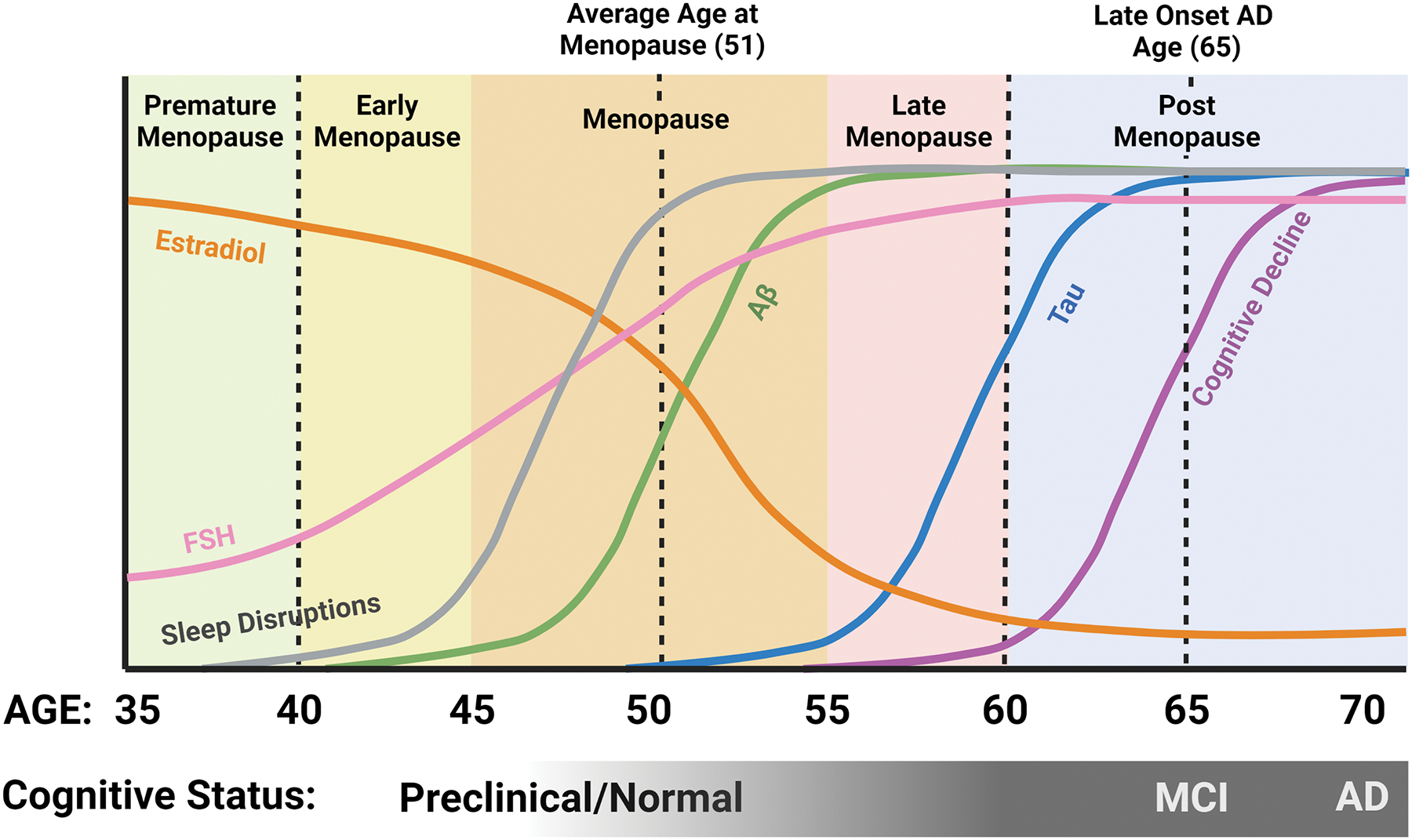
Researchers have been looking at how the timing of menopause affects brain health. A number of studies have found that women who enter menopause earlier may show more cognitive decline over time than women who reach menopause later. The link is strongest when menopause happens before age 45, and especially when it happens very early, such as before age 40.
That pattern has a simple biological explanation. Estrogen does more than regulate cycles. It also helps support blood flow, inflammation control, and brain signaling. When estrogen drops earlier than expected, the brain loses that support sooner. But this is a risk signal, not a verdict. Many women with early menopause never develop Alzheimer’s disease.
“Risk is not the same as fate. The question is what else is happening in your body, your sleep, your blood pressure, and your daily habits.”
Why timing matters for your brain
Think of it like a building losing part of its support system ahead of schedule. The structure may stand for years, but strain builds faster if other pieces are already weak. The brain works the same way. Early hormone loss may stack with other problems such as high blood pressure, diabetes, smoking, poor sleep, or a family history of dementia.
That is why doctors do not look at menopause in isolation. They look at the whole risk map. If you had early menopause and also have vascular risk factors, the concern goes up. If you are active, sleep well, and keep your cardiovascular health in check, you may blunt some of that risk.
What should you watch for?
Memory lapses happen to everyone. The red flags are different. Are you repeating the same questions, getting lost on familiar routes, or struggling to manage bills and appointments in a way that is new for you?
That kind of change deserves attention. Not panic. Attention.
Signs that call for a medical visit
- Noticeable trouble with short-term memory
- Frequent confusion about dates, names, or places
- Problems handling routine tasks
- Personality or mood changes that feel out of character
- Brain fog that does not improve with better sleep or stress relief
These symptoms do not automatically point to Alzheimer’s disease. They can also come from thyroid problems, depression, sleep apnea, medication side effects, or low vitamin B12. A good clinician will sort through those possibilities instead of jumping to the worst-case label.
What you can do if you had early menopause
- Track your menopause timing. Write down the age you stopped having periods and whether it happened naturally or after surgery.
- Review your vascular health. Blood pressure, cholesterol, glucose, and smoking history matter a lot for brain health.
- Ask about hormone therapy if you are a candidate. The decision depends on your age, symptoms, health history, and how far you are from menopause onset.
- Protect sleep. Chronic sleep loss can worsen memory and mood, and it can muddy the clinical picture.
- Stay physically active. Regular exercise supports cardiovascular and brain health. Even brisk walking helps.
And keep your doctor in the loop if you had ovaries removed, used cancer treatments that triggered early menopause, or have a strong family history of dementia. Those details change the conversation.
What experts still do not know about early menopause and Alzheimer’s risk
The research is useful, but it is not final. Scientists still argue about how much of the risk comes from estrogen loss itself versus the health problems that often travel with it. They also do not know which women benefit most from hormone therapy for long-term brain outcomes. That is a real gap.
One thing is clear. Early menopause should not be brushed off as a routine transition. It can be a clue that your long-term brain and heart health deserve closer watch. That makes it a conversation worth having before memory issues show up, not after.
What to ask your clinician next
If menopause started early for you, ask direct questions. What is my personal dementia risk? Should I be screened for depression, sleep apnea, thyroid disease, or B12 deficiency? Do my blood pressure and cholesterol need tighter control?
You do not need a dramatic answer. You need a practical one. Start there, and treat early menopause as one more piece of your health record that can shape smarter screening and better habits. What would change if you treated that history as an early warning, not a footnote?
Sources
This article was medically reviewed and draws from peer-reviewed research and clinical guidelines published by:
- National Institute on Drug Abuse (NIDA)
- Substance Abuse and Mental Health Services Administration (SAMHSA)
- Centers for Disease Control and Prevention (CDC)
- MedlinePlus — U.S. National Library of Medicine
Content is reviewed for medical accuracy by our editorial team. Last reviewed: August 26, 2026.
Medical Disclaimer: This article is for educational purposes only. It is not a substitute for professional medical advice, diagnosis, or treatment. Always consult a qualified healthcare provider before making changes to your treatment plan. If you are experiencing a medical emergency, call 911 immediately. For substance use support, call SAMHSA at 1-800-662-4357 (free, confidential, 24/7).