
Early Menopause and High Blood Pressure Risk
Early Menopause and High Blood Pressure Risk
Early menopause can change more than your cycle. It may also raise your odds of high blood pressure, and that matters because blood pressure often climbs quietly until it causes real damage. If you are dealing with menopause before age 45, the early menopause high blood pressure risk is not something to shrug off. Recent reporting on the topic points to a simple, stubborn pattern. Women who enter menopause earlier may face a higher chance of hypertension later, which can feed into heart disease, stroke, and kidney problems. Why wait for a number on a cuff to surprise you? The smarter move is to understand the link now, then act on the parts you can control.
What the research is pointing to
- Early menopause appears linked with a higher chance of hypertension later in life.
- The risk matters most if menopause begins before age 45.
- Blood pressure can rise without clear symptoms, so routine checks count.
- Heart health, weight, sleep, and alcohol use can all affect the outcome.
- Your clinician may want to track blood pressure more closely if menopause came early.
Why early menopause high blood pressure risk matters
Menopause changes estrogen levels, and estrogen helps support blood vessel function. When that hormone drops earlier than expected, your cardiovascular system may lose some of that support sooner. That does not mean high blood pressure is inevitable. It means your margin for error gets thinner.
Think of it like a building with fewer load-bearing supports. The structure may hold, but it needs more inspection. Blood pressure is the same way. If you already have family history, extra weight, diabetes, or poor sleep, early menopause can stack another risk on top.
Blood pressure problems are often silent. You usually do not feel them until they are already doing damage.
Who should pay close attention?
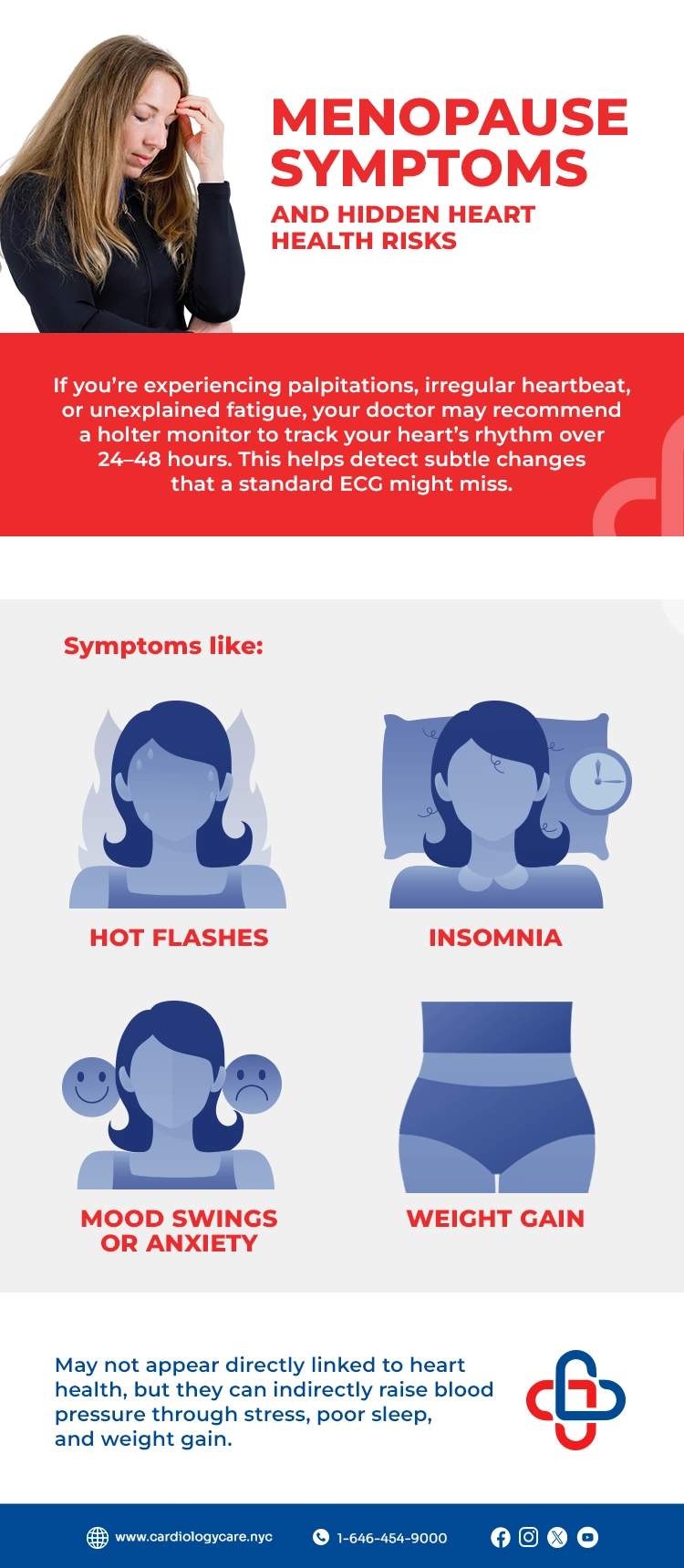
Women with early or premature menopause should be especially alert if they also have a history of gestational hypertension, PCOS, smoking, kidney disease, or a strong family history of cardiovascular disease. That mix can push risk higher. And if you have had hot flashes, sleep disruption, or mood changes since menopause began, those issues can make daily habits harder to keep steady.
One practical point often gets missed. Blood pressure should not be checked only at annual visits if you already have risk factors. Home monitoring can give you a cleaner picture, especially if your office readings bounce around.
What you can do now about early menopause high blood pressure risk
- Check your blood pressure regularly. Home cuffs are widely available, and many are accurate if you choose a validated model and use it correctly.
- Know your numbers. The American Heart Association defines normal blood pressure as below 120/80 mm Hg.
- Move most days. Brisk walking, cycling, swimming, or strength work can help lower blood pressure over time.
- Watch sodium and alcohol. Cutting back can make a real difference, especially if your diet already runs salty.
- Sleep like it matters. It does. Poor sleep and sleep apnea both push blood pressure up.
- Talk with your clinician about hormone therapy if appropriate. For some women, menopausal hormone therapy may be an option, but it is not a one-size-fits-all fix.
Here is the thing. The goal is not perfection. It is trend control. A few steady habits can do more than a dramatic reset you cannot keep up for long.
Should you ask about hormone therapy?
Maybe. But the answer depends on your age, symptoms, medical history, and whether you still have a uterus. Hormone therapy can help with menopausal symptoms for some women, yet it is not prescribed just to chase blood pressure numbers. Your clinician will weigh benefits and risks, including clotting history, breast cancer risk, and cardiovascular profile.
That conversation should be specific, not vague. Ask whether your early menopause changes your long-term heart risk, and whether you should have labs, blood pressure follow-up, or a referral for prevention care.
What to track at your next visit
Bring a short list. It keeps the appointment focused and makes the conversation more useful.
- Your menopause age and whether it was natural, surgical, or due to treatment.
- Recent home blood pressure readings, if you have them.
- Family history of hypertension, stroke, heart attack, or early menopause.
- Current medications, including hormone therapy, birth control, and supplements.
- Sleep problems, headaches, palpitations, or swelling.
Doctors use this kind of detail to decide how often to monitor you and whether you need more testing. It is a bit like tuning a car before a long trip. Small checks now can prevent a bigger breakdown later.
A practical next move
If menopause came early, do not wait for symptoms to force your hand. Get a baseline blood pressure reading this month, then compare it over time. That one habit can tell you more than guesswork ever will. And if your numbers are drifting up, what is stopping you from treating that as the warning it is?
Sources
This article was medically reviewed and draws from peer-reviewed research and clinical guidelines published by:
- National Institute on Drug Abuse (NIDA)
- Substance Abuse and Mental Health Services Administration (SAMHSA)
- Centers for Disease Control and Prevention (CDC)
- MedlinePlus — U.S. National Library of Medicine
Content is reviewed for medical accuracy by our editorial team. Last reviewed: August 2, 2026.
Medical Disclaimer: This article is for educational purposes only. It is not a substitute for professional medical advice, diagnosis, or treatment. Always consult a qualified healthcare provider before making changes to your treatment plan. If you are experiencing a medical emergency, call 911 immediately. For substance use support, call SAMHSA at 1-800-662-4357 (free, confidential, 24/7).