
Early-Onset Type 2 Diabetes Reversal With Diet and Exercise
Early-Onset Type 2 Diabetes Reversal With Diet and Exercise
You may have been told type 2 diabetes only moves in one direction. That idea is losing ground, especially for younger adults who act early. Recent coverage from Healthline points to a study showing that a structured low-energy diet paired with exercise helped some people achieve early-onset type 2 diabetes reversal.
This matters because type 2 diabetes that starts before age 40 often behaves more aggressively than later-onset disease. Blood sugar can climb faster, medication needs can rise sooner, and long-term risks can stack up earlier. But remission is not magic, and it is not a weekend detox. It is a monitored medical target, usually tied to weight loss, lower liver and pancreas fat, and sustained changes that your daily life can actually hold.
What the new findings suggest
- A structured low-energy diet plus exercise may help some younger adults with type 2 diabetes reach remission.
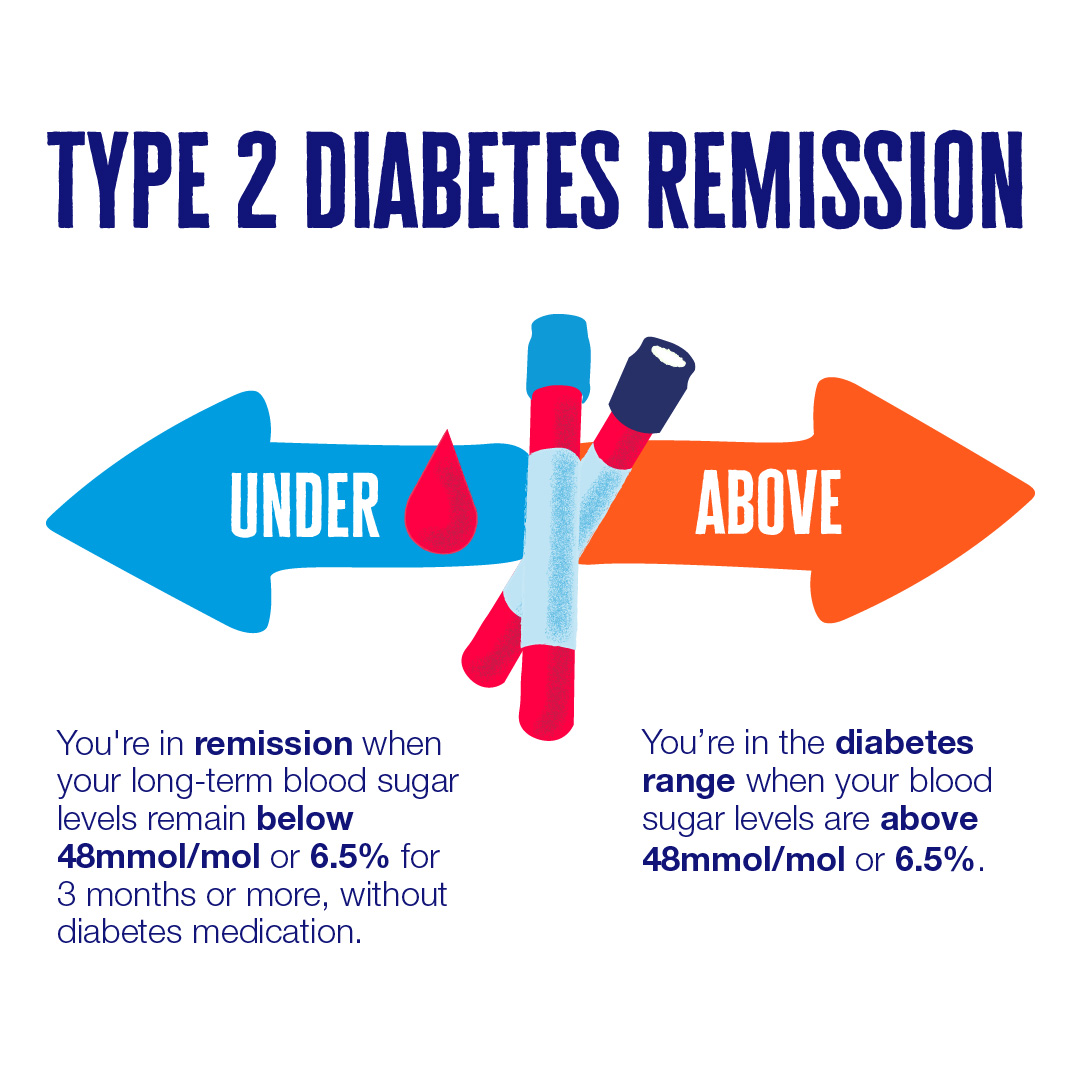
- Remission usually means blood sugar below the diabetes range without glucose-lowering medication for a set period.
- Early action matters because beta cells may recover better before years of high glucose cause more damage.
- This approach needs clinical supervision, especially if you take insulin, sulfonylureas, or blood pressure medicine.
What early-onset type 2 diabetes reversal really means
Doctors often use the word remission rather than cure. The American Diabetes Association and international experts define diabetes remission as an HbA1c below the diabetes threshold after stopping glucose-lowering drugs for at least three months. That wording matters because blood sugar can rise again if weight returns, activity drops, or insulin resistance worsens.
Think of it like a house fire that has been put out. The flames are gone, but you still need smoke alarms, repairs, and inspections. In diabetes terms, that means repeat HbA1c tests, kidney checks, eye exams, and a plan for what happens if glucose starts creeping back.
Remission is a clinical state, not a personality badge. If your numbers improve, you still deserve follow-up, support, and straight talk about relapse risk.
Why early-onset type 2 diabetes reversal starts with energy balance
Low-energy diets work by creating a sizable calorie deficit for a limited period. In plain English, you eat less energy than your body uses, and fat stored in the liver and pancreas can shrink. Research from diabetes remission trials, including the DiRECT trial in the United Kingdom, has linked meaningful weight loss with better insulin response and lower fasting glucose.
Here is the thing. This is not about moral effort or eating perfectly. It is biology. For many people with type 2 diabetes, excess fat around key organs interferes with insulin production and insulin action. Reduce that pressure early enough, and the body may respond.
The hard part is keeping it boring.
What a low-energy plan may look like
Programs vary, but many use meal replacements or tightly planned meals for an initial phase, followed by food reintroduction. The exact calorie target depends on your body size, medical history, medications, and clinician guidance. Do not copy a study protocol from the internet and hope for the best.
- Initial phase: a clinician-approved low-calorie plan, often with meal replacements or measured meals.
- Transition phase: gradual return to regular foods with protein, fiber, and portion structure.
- Maintenance phase: weekly routines that protect weight loss, glucose control, sleep, and movement.
Where exercise fits in early-onset type 2 diabetes reversal
Exercise helps your muscles pull glucose from the bloodstream, even when insulin does not work as well as it should. Resistance training also preserves lean mass during weight loss, which matters because muscle is a major glucose sink. Cardio helps too, especially brisk walking, cycling, swimming, or interval work that you can repeat without hating your life.
A practical target is 150 minutes of moderate aerobic activity each week, plus two sessions of strength training. That aligns with guidance used by many diabetes organizations. But if you are starting from zero, ten minutes after meals can still move the needle. Why wait for the perfect plan?
A simple weekly structure
- Walk for 10 to 20 minutes after your largest meal on most days.
- Lift weights, use resistance bands, or do bodyweight exercises twice a week.
- Track fasting glucose or post-meal glucose if your clinician recommends it.
- Book medication reviews as weight and glucose levels change.
Who may have the best chance of remission?
People diagnosed more recently often have better odds because their insulin-producing beta cells may still have more reserve. Larger weight loss also tends to predict stronger remission rates. That does not mean everyone needs the same goal, and it does not mean people with longer-standing diabetes should give up.
Age, genetics, starting weight, medication use, sleep, stress, and access to food all affect the outcome. So does support. I have covered metabolic health for years, and the pattern is hard to miss. The people who do best usually have a system, not heroic willpower (and yes, that includes help with shopping, cooking, and appointments).
Risks you should not ignore
A low-energy diet can be unsafe if you adjust diabetes medication on your own. Insulin and sulfonylureas can cause low blood sugar when food intake drops. Blood pressure medicine may also need review if weight falls quickly or dizziness shows up.
You should also ask about gallstones, nutrient gaps, pregnancy plans, eating disorder history, kidney disease, and heart disease before starting. A solid program screens for these issues first. Hype skips that part because it ruins the sales pitch.
How to talk with your doctor about early-onset type 2 diabetes reversal
Bring specific questions rather than asking whether diet will work. You want a plan that includes targets, medication safety, lab timing, and support. If your clinician dismisses remission outright, ask for a referral to an endocrinologist, registered dietitian, or diabetes care and education specialist.
- What HbA1c goal are we using for remission?
- Which medications should change if my glucose drops?
- How often should I check blood sugar during the low-energy phase?
- What calorie range is safe for me?
- How will we prevent weight regain after the first phase?
The next move is medical, not motivational
Early-onset type 2 diabetes reversal is no longer a fringe idea, but it is also not a promise. The best reading of the evidence is practical and demanding. Some younger adults can push diabetes into remission with rapid, supported changes in diet, weight, and activity.
If you want to try, start with your next appointment, your latest HbA1c, and a frank medication review. The question is not whether you can suffer through a strict plan for eight weeks. It is whether you can build a repeatable routine that your future self can live with.
Sources
This article was medically reviewed and draws from peer-reviewed research and clinical guidelines published by:
- National Institute on Drug Abuse (NIDA)
- Substance Abuse and Mental Health Services Administration (SAMHSA)
- Centers for Disease Control and Prevention (CDC)
- MedlinePlus — U.S. National Library of Medicine
Content is reviewed for medical accuracy by our editorial team. Last reviewed: October 3, 2026.
Medical Disclaimer: This article is for educational purposes only. It is not a substitute for professional medical advice, diagnosis, or treatment. Always consult a qualified healthcare provider before making changes to your treatment plan. If you are experiencing a medical emergency, call 911 immediately. For substance use support, call SAMHSA at 1-800-662-4357 (free, confidential, 24/7).