
Eczema Management Routine: What Simone Biles Gets Right
Eczema Management Routine: What Simone Biles Gets Right
If eczema keeps interrupting your sleep, workouts, travel, or confidence, you need more than a random cream in the bathroom drawer. An eczema management routine works best when it is steady, simple, and built around your real life. That is why Simone Biles talking openly about eczema matters now. Healthline reported that the Olympic gymnast uses a consistent skin care routine to help manage flares while balancing training, travel, sweat, and stress. Those are not small triggers. They are everyday friction points for many people with atopic dermatitis. The useful lesson is not that a celebrity has perfect skin. It is that eczema care often comes down to repeatable habits, fast flare response, and knowing which products your skin will tolerate. Boring? Maybe. Effective? Often, yes.
What to Take From Her Routine
- Consistency beats complicated routines. Eczema-prone skin usually does better with fewer products used daily.
- Moisture timing matters. Applying moisturizer after bathing can help trap water in the skin barrier.
- Triggers are personal. Sweat, fragrance, stress, heat, wool, and harsh cleansers can all play a role.
- Travel needs a plan. Climate changes, hotel soaps, and long flights can dry or irritate skin fast.
- Flares deserve early action. Waiting until itching turns severe can make the cycle harder to stop.
Why an Eczema Management Routine Matters
Eczema is not just dry skin. It is an inflammatory skin condition that can damage the skin barrier, raise itch levels, and make skin more reactive to the outside world. The American Academy of Dermatology often frames eczema care around barrier repair, trigger control, and the right treatment during flares.
That sounds clinical, but the day-to-day version is plain. Wash gently. Moisturize often. Avoid known irritants. Treat flares before they spread. And keep doing it after your skin looks better, because the quiet days are part of the work.
Good eczema care is less like a rescue mission and more like meal prep. If you wait until you are starving, your choices get worse.
What Simone Biles Gets Right About an Eczema Management Routine
Biles has described managing eczema while living a high-pressure, high-sweat life. That detail matters because many routines fail once they meet real conditions. Workouts, uniforms, travel, cameras, and stress can all push skin toward irritation.
Her example points to a smart principle. Your routine has to fit your calendar, not an imaginary spa day. If you train, commute, chase kids, work long shifts, or sleep in different places, your eczema plan needs to be portable and fast.
Keep the Product List Short
People with eczema often get stuck in product roulette. One cleanser burns. One lotion smells nice but stings. Another cream feels greasy, so it gets skipped. The result is a crowded shelf and angry skin.
A cleaner setup usually works better. Pick a gentle cleanser, a thick moisturizer, and any prescription or over-the-counter treatment your clinician recommends. Fragrance-free products are a common starting point because fragrance is a frequent irritant, even in products marketed as natural.
Skin loves boring.
Moisturize Like It Is Part of the Shower
The few minutes after bathing are prime time. Pat your skin dry, leave it slightly damp, then apply moisturizer. This helps reduce water loss and supports the skin barrier.
Ointments and thick creams usually seal better than thin lotions. If you hate the feel of ointment during the day, use it at night and choose a cream for morning. The best moisturizer is the one you will actually use.
Build an Eczema Management Routine You Can Repeat
A useful routine does not need ten steps. It needs the right steps, done often enough to matter. Here is a practical structure you can adjust with your dermatologist or primary care clinician.
- Morning: Rinse or cleanse only where needed, then apply moisturizer before getting dressed.
- Before activity: Wear breathable fabric when possible, and avoid rough seams on flare-prone areas.
- After sweating: Rinse sweat off soon if you can, then moisturize again.
- Evening: Take a short lukewarm shower or bath, use gentle cleanser, pat dry, and moisturize within a few minutes.
- During a flare: Use your prescribed treatment as directed, and reduce known triggers until skin calms.
What if you miss a day? Start again at the next shower or bedtime. Eczema routines break down when people treat one skipped step as failure. It is maintenance, not a moral test.
Triggers Worth Tracking Before You Buy More Products
Before adding another serum or supplement, look for patterns. Eczema flares often follow small, repeated exposures. A scratchy sweater, a scented detergent, hotter showers, heavy sweat, or poor sleep may be enough to tip your skin into a flare.
Try tracking symptoms for two weeks. Keep it simple. Note the weather, stress, workouts, foods if they seem relevant, new products, and where the rash appears. You are looking for repeat offenders, not perfection.
- Heat and sweat: Common troublemakers, especially around folds of skin and under tight clothing.
- Fragrance: Found in soaps, lotions, laundry products, deodorants, and hair care.
- Dry air: Winter heating and airplane cabins can pull moisture from skin.
- Stress: It can worsen itch and disrupt sleep, which then feeds the flare cycle.
- Harsh fabrics: Wool and rough synthetics can irritate sensitive patches.
Where Celebrity Advice Helps, and Where It Does Not
I have covered health and wellness trends long enough to be skeptical of celebrity routines. A famous face can make a condition more visible, but it can also make skin care sound easier than it is. Eczema varies widely. Mild dryness on the arms is not the same as painful, cracked skin that wakes you up at 3 a.m.
Still, Biles sharing her experience has value because it reduces the shame that often comes with visible skin conditions. If an elite athlete can talk about eczema without dressing it up, regular people may feel less pressure to hide it.
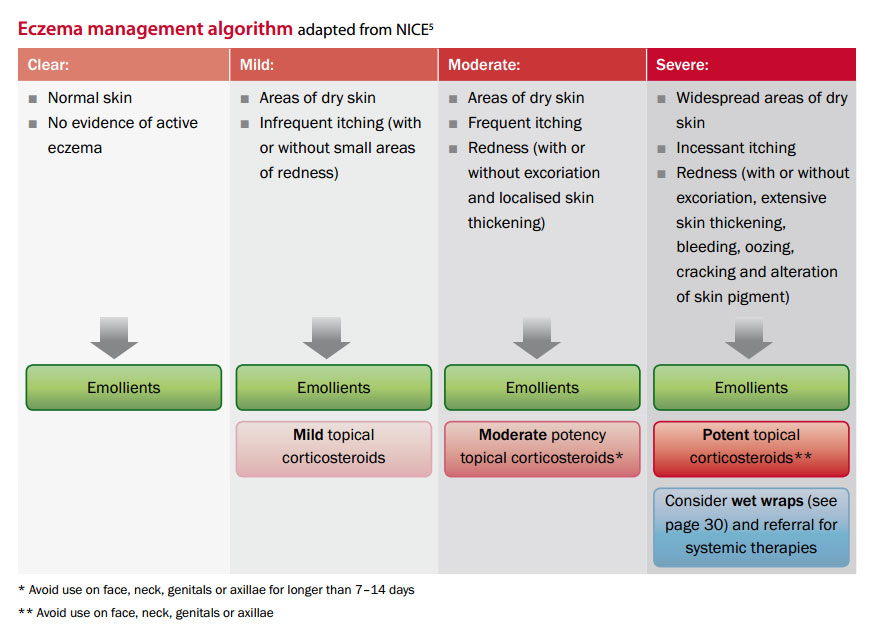
The line is simple. Use her story as motivation to build habits, not as a prescription. If your eczema is spreading, bleeding, infected, or disrupting sleep, you need medical guidance. Topical steroids, nonsteroidal creams, biologic medications, and other treatments may be appropriate depending on severity.
A Smarter Next Step for Calmer Skin
Start with a seven-day reset. Use one gentle cleanser, one fragrance-free moisturizer, and your prescribed flare treatment if you have one. Shorten hot showers. Put moisturizer where you will see it, next to the sink, in your gym bag, or by the bed.
That is not glamorous, but it is how many solid eczema plans begin. The question is not whether your routine looks like Simone Biles’ routine. The better question is this: can you repeat it on your busiest, sweatiest, most stressful day?
Sources
This article was medically reviewed and draws from peer-reviewed research and clinical guidelines published by:
- National Institute on Drug Abuse (NIDA)
- Substance Abuse and Mental Health Services Administration (SAMHSA)
- Centers for Disease Control and Prevention (CDC)
- MedlinePlus — U.S. National Library of Medicine
Content is reviewed for medical accuracy by our editorial team. Last reviewed: September 22, 2026.
Medical Disclaimer: This article is for educational purposes only. It is not a substitute for professional medical advice, diagnosis, or treatment. Always consult a qualified healthcare provider before making changes to your treatment plan. If you are experiencing a medical emergency, call 911 immediately. For substance use support, call SAMHSA at 1-800-662-4357 (free, confidential, 24/7).