
EU Questionnaire and Safer Nicotine Policy
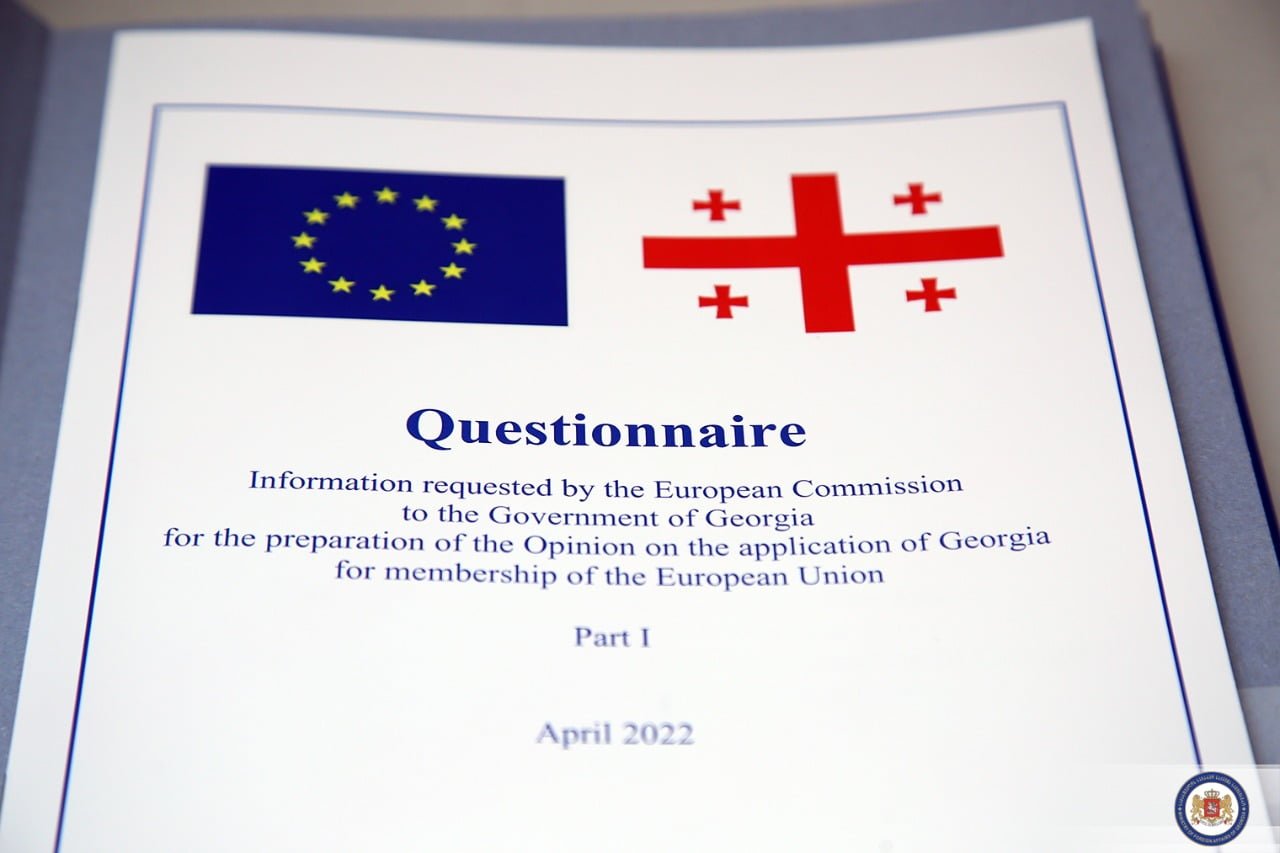
EU Questionnaire and Safer Nicotine Policy
The EU questionnaire on nicotine policy matters because the answers can shape how lawmakers treat safer products, from vapes to nicotine pouches. If you use these products, work in public health, or follow tobacco regulation, this is not background noise. It can affect access, taxes, advertising rules, and whether harm reduction gets treated as a serious policy tool or pushed aside. That is a real stake, not a theoretical one.
The problem is simple. Big policy decisions often start with a dry consultation that most people ignore. Then the final rules arrive, and everyone wonders how the outcome got so lopsided. Who fills out the questionnaire, what it asks, and what it leaves out can tilt the result. And yes, that matters now.
What the EU questionnaire is really asking
This kind of consultation usually tests how officials think about nicotine, tobacco control, and safer alternatives. It can shape the frame before a draft law even exists. If the questions treat all nicotine products as the same risk, the policy debate starts on bad footing.
Look at the structure, not just the wording. Does it ask about adult smokers switching away from cigarettes? Does it ask about flavored products, youth use, product standards, and access? Or does it spend most of its energy on restriction? Those details tell you where the policy machine is headed.
“The first fight in nicotine policy is often about definitions. Once the frame is set, the rest of the debate gets cramped.”
Why the EU questionnaire matters for safer nicotine
Safer nicotine products are not cigarettes. That sounds obvious, but policy often blurs the line. When regulators lump everything together, they risk making the least harmful options harder to use than combustible tobacco. That is backwards.
Public Health England has repeatedly said vaping is substantially less harmful than smoking, while the World Health Organization keeps a more cautious line. Both positions matter because they show the split in expert thinking. If the questionnaire ignores that debate, you should ask why.
Here’s the thing. A questionnaire is not just paperwork. It is a filter. It decides which evidence gets airtime and which outcomes count.
- It can shape tax rates on nicotine products.
- It can influence flavor bans and product standards.
- It can affect cross-border sales and online access.
- It can steer future rules on packaging and advertising.
What you should look for in the wording
If you plan to respond, read each question like a policy analyst, not a casual consumer. Watch for loaded terms such as “gateway,” “normalization,” or “risk” without context. Those words can push respondents toward a conclusion before they even answer.
Ask whether the questionnaire separates adults who smoke from never-users. That split is non-negotiable. A policy built for smokers trying to quit should not be written as if it were designed for everyone in the same way.
- Check whether the survey defines “safer nicotine” clearly.
- See if it asks about relative risk versus cigarettes.
- Look for room to mention smoking cessation and switching.
- Note whether evidence from real-world use is included.
And if the survey treats all nicotine use as equally harmful, say so plainly. That is where bad policy begins.
How to respond without wasting your shot
Your response does not need to be long to be useful. It needs to be specific. State what product class you are talking about, what user group you mean, and what outcome you want the EU to consider.
Use practical evidence if you have it. Studies on switching, prevalence data, product standards, and youth access trends are all stronger than slogans. A consultation response is a bit like tuning a radio. If you do not adjust the dial carefully, all you get is static.
Keep your answer focused on three things.
- What the policy should protect.
- What the policy should avoid harming.
- What evidence the EU should use instead of assumptions.
One more point. If you support safer nicotine access, do not just talk about freedom of choice. Talk about smoking rates, cessation, and the people who need lower-risk options now. That is where the argument has weight.
What this could mean next
The EU consultation process can look dull from the outside. But dull is often where the real fight happens. If the questionnaire is shaped to emphasize risk without balance, the final policy may follow that path.
So the smart move is simple. Read the questions closely, respond with specifics, and push back on lazy framing. The next draft could decide whether safer nicotine is treated like part of the solution or just another target. Which side gets to define the rules, the evidence or the reflex?
Sources
This article was medically reviewed and draws from peer-reviewed research and clinical guidelines published by:
- National Institute on Drug Abuse (NIDA)
- Substance Abuse and Mental Health Services Administration (SAMHSA)
- Centers for Disease Control and Prevention (CDC)
- MedlinePlus — U.S. National Library of Medicine
Content is reviewed for medical accuracy by our editorial team. Last reviewed: June 20, 2026.
Medical Disclaimer: This article is for educational purposes only. It is not a substitute for professional medical advice, diagnosis, or treatment. Always consult a qualified healthcare provider before making changes to your treatment plan. If you are experiencing a medical emergency, call 911 immediately. For substance use support, call SAMHSA at 1-800-662-4357 (free, confidential, 24/7).