
FDA Approves First OTC Continuous Glucose Monitor for Children
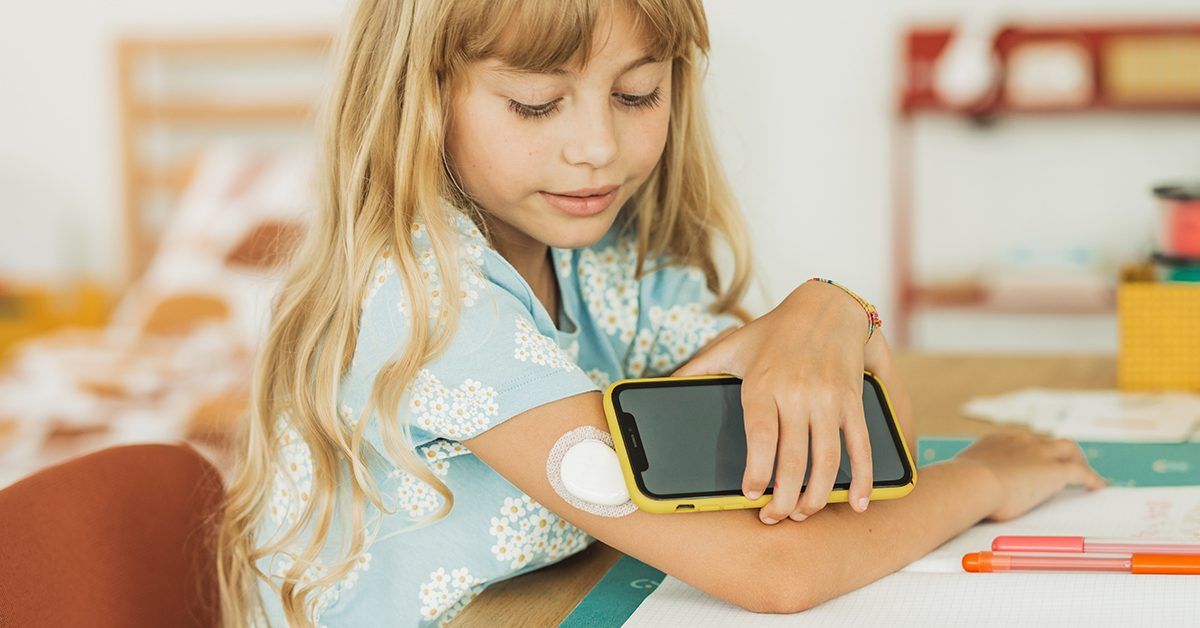
FDA Approves First OTC Continuous Glucose Monitor for Children
Parents of kids with diabetes have spent years dealing with a small but annoying barrier. To get a continuous glucose monitor, they often needed a prescription, a clinic visit, and a lot of back and forth with insurance. The new FDA approval for the first OTC continuous glucose monitor for children changes that setup fast. It matters because glucose data can shape daily choices about food, exercise, sleep, and insulin dosing. And for families trying to avoid dangerous highs and lows, easier access can make care less clunky. Still, easier access is not the same as simpler care. You still need to know how to read the numbers, what the alerts mean, and when to call a clinician.
What this FDA approval means
- Children can access a CGM without a prescription, which lowers one of the first barriers to use.
- Parents may get faster answers about blood sugar patterns, especially overnight.
- Doctors still matter, because device data has to be interpreted in context.
- Access is broader, but not automatic. Cost, insurance rules, and age guidance can still shape use.
The FDA’s move is a practical one. It does not mean every child with diabetes needs a monitor, and it does not turn a medical device into a casual gadget. But it does make one tool easier to get, which is a real shift for families managing a condition that never clocks out.
Why the OTC continuous glucose monitor for children matters
The OTC continuous glucose monitor for children changes the first mile of access. Instead of waiting for a script, you can often buy the device directly, depending on the product rules and age labeling. That matters most for families who live far from pediatric endocrinology care or who have had trouble getting coverage approved.
Think of it like getting a smoke alarm installed in a house with tricky wiring. The alarm can warn you early, but you still need to know what to do when it starts beeping. A CGM gives you a stream of data. It does not make diabetes management automatic.
How useful is that data? Very, if you use it well. For many families, CGMs help spot overnight lows, meal spikes, and patterns that fingersticks can miss. That kind of visibility can cut through guesswork.
The real value of a CGM is not the number on the screen. It is the pattern you can act on before a problem gets bigger.
Who may benefit first
Children who have trouble noticing low blood sugar may get the most immediate payoff. Kids with unpredictable routines can also benefit, especially if school, sports, and growth spurts keep shifting their needs (which they usually do).
Families new to diabetes tech may find the OTC route less intimidating. A direct purchase can feel less bureaucratic than navigating prior authorizations and repeated paperwork. But easier purchase does not erase the learning curve. Someone still needs to set alerts, understand compression lows, and know what to do when readings do not match symptoms.
And that mismatch matters. If a child feels shaky but the sensor looks fine, or the other way around, you do not ignore it. You check. What else would you do with a device that can guide treatment but can also be wrong at times?
What parents should ask before buying
- Is the device cleared for your child’s age? Age labeling is not a suggestion.
- Does it integrate with insulin tools you already use? Compatibility can shape daily use.
- What is the alarm setup? Too many alerts can cause families to tune them out.
- How is the sensor worn and replaced? Adhesion and comfort matter a lot for kids.
- What will it cost over time? A lower purchase barrier does not always mean a lower total bill.
Look closely at the app experience too. Some systems are easy to read. Others feel like a cockpit panel. For a parent up at 2 a.m., clarity beats style every time.
Where the fine print still matters
The FDA approval is a milestone, not a finish line. Pediatric diabetes care still depends on clinician guidance, school planning, and safe backup routines. If your child uses insulin, you need a plan for what happens when the sensor fails, when readings drift, or when a child refuses to wear it.
One more thing. Access can widen gaps if families assume the device alone solves the problem. Kids need food plans, dose adjustments, and follow-up. The monitor is a tool, not the whole workshop.
What to watch next
The biggest test is not approval. It is whether families can actually use the device well and afford to keep using it. Will more insurers adapt? Will schools understand the alerts? Will clinicians help parents make sense of the data instead of drowning them in jargon?
The FDA just moved the door. Now the health system has to decide whether it will open the rest of the house.
Sources
This article was medically reviewed and draws from peer-reviewed research and clinical guidelines published by:
- National Institute on Drug Abuse (NIDA)
- Substance Abuse and Mental Health Services Administration (SAMHSA)
- Centers for Disease Control and Prevention (CDC)
- MedlinePlus — U.S. National Library of Medicine
Content is reviewed for medical accuracy by our editorial team. Last reviewed: June 17, 2026.
Medical Disclaimer: This article is for educational purposes only. It is not a substitute for professional medical advice, diagnosis, or treatment. Always consult a qualified healthcare provider before making changes to your treatment plan. If you are experiencing a medical emergency, call 911 immediately. For substance use support, call SAMHSA at 1-800-662-4357 (free, confidential, 24/7).