
FDA Vaping Flavor Rules and the Fight Over Access
FDA Vaping Flavor Rules and the Fight Over Access
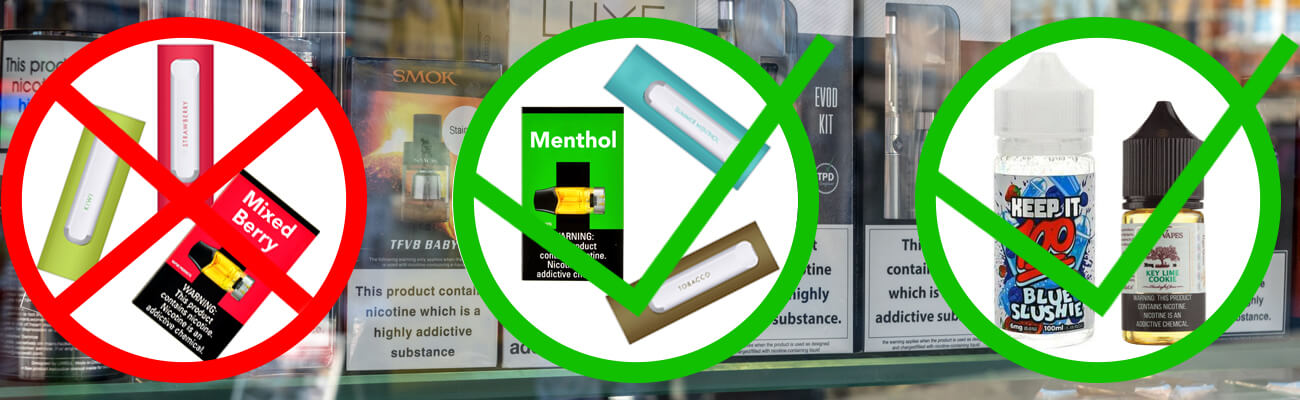
If you are trying to understand FDA vaping flavor rules, you are probably stuck between two loud claims. One side says flavored vape products are a public health threat. The other says taking them off the shelf pushes adults back to cigarettes. Both can be partly true, which is why this fight keeps dragging on. The real issue is not just flavor. It is how the FDA draws the line between youth prevention, adult access, and product enforcement, then applies that line in the real world.
That matters now because the agency has spent years rejecting, delaying, and selectively reviewing flavored products while the market keeps shifting around it. If you sell, use, study, or regulate these products, the details are not abstract. They decide what stays available, what gets pulled, and who ends up with fewer options.
What stands out in FDA vaping flavor rules
- The FDA has focused heavily on flavored e-cigarettes, especially products that appeal to younger users.
- Adult smokers who switch to vaping often prefer non-tobacco flavors, which makes the policy fight sharper.
- Enforcement has been uneven, with some products removed and others left in a gray zone.
- The debate is really about trade-offs, not slogans.
- Flavor policy has become a test of how the FDA balances public health with market reality.
Why FDA vaping flavor rules hit a nerve
Flavors are the flash point because they sit at the center of two competing public health stories. Regulators see candy, fruit, and dessert flavors and worry about youth uptake. Harm reduction advocates see adults who quit cigarettes and now rely on flavors to stay away from tobacco.
Both camps point to behavior, not theory. The CDC and FDA have both reported that flavored e-cigarettes are common among young users, while survey research has also shown that many adult vapers prefer flavors other than tobacco. That split is exactly why the policy debate keeps getting messy. Who gets priority, and based on what evidence?
“A flavor ban can look clean on paper and still produce dirty results in the market.”
How the FDA vaping flavor rules actually work
The FDA does not regulate flavor in a single, simple way. It uses a mix of premarket review, enforcement discretion, and product standards. The result is a patchwork that can feel like a moving target for manufacturers and retailers.
Premarket review
Manufacturers need authorization to market new tobacco products. For e-cigarettes, that means showing the FDA that a product is appropriate for the protection of public health. That bar is high, and many flavored products have not cleared it.
Enforcement priorities
The agency has also targeted products it says lack authorization or appear aimed at minors. But enforcement is uneven, and that matters. A rule that is clear in theory but shaky in practice invites loopholes. Think of it like a basketball game where the referee calls fouls only on one team. The strategy changes fast, and not in a good way.
What this means for adult smokers and vapers
Here is the part policy debates often skip. Adults do not all respond the same way to flavored products. Some need a taste profile that is clearly not tobacco to stay off cigarettes. Others do fine with tobacco flavor or no flavor at all.
The question is whether FDA vaping flavor rules reduce youth use without cutting off a tool that helps adults switch. That is the hard policy problem. A blunt ban may please people who want quick action, but it can also shrink the set of products that adult users trust. And trust matters. If people do not like the alternatives, they may go back to smoking.
That does not mean every flavor should be allowed without limits. It means a serious policy has to distinguish between youth appeal and adult use, then back that distinction with actual enforcement data, not vibes.
Where the evidence is strongest
Researchers have not reached a neat consensus, because the evidence points in more than one direction. Still, some patterns are hard to ignore.
- Flavored products are widely used by youth.
- Adult vapers often report that flavors help them avoid cigarettes.
- Restrictions can change purchasing patterns, but they do not always eliminate demand.
- When legal products disappear, black market or informal supply can fill part of the gap.
The FDA and public health researchers have both acknowledged that product appeal affects behavior. The dispute is over how much weight that should carry compared with smoking cessation and adult preference. That is why the policy keeps landing in courtrooms, state legislatures, and comment dockets.
FDA vaping flavor rules and the market response
Markets rarely sit still when regulators move. Companies rename products, shift ingredients, tweak labeling, or adjust distribution channels. Some use synthetic cooling agents. Others change flavor descriptions to survive review.
This is where policy gets slippery. If a rule is too narrow, firms route around it. If it is too broad, you may end up punishing the very adults the FDA says it is trying to protect. That tension has made vaping regulation look less like architecture and more like ongoing repairs to a building with a weak foundation.
Look, the real test is not whether a rule sounds tough. It is whether it changes behavior in the intended direction without creating a bigger mess elsewhere.
What you should watch next
Watch for three things. First, whether the FDA tightens its product standards or keeps leaning on enforcement against specific brands. Second, whether courts force the agency to explain its decisions more clearly. Third, whether policymakers start treating flavor access as part of a broader nicotine strategy instead of a single-issue ban.
That last point is the one worth watching. If regulators keep treating every flavored product the same, they will keep missing the people who use these products to stay off cigarettes. If they get more precise, they may finally build a policy that can survive contact with reality. Which version do you think is more likely?
What happens if the FDA gets more precise
A smarter approach would focus on youth-facing products, marketing tactics, and enforcement against unauthorized sales, while leaving room for evidence-based adult access. That is harder than a simple ban. It also requires regulators to admit that one-size-fits-all policy often fails when human behavior gets involved.
And that is the uncomfortable truth at the center of FDA vaping flavor rules. The next round of policy will not be judged by how strict it sounds. It will be judged by whether fewer teens start and fewer adults return to cigarettes. Anything else is just noise.
Sources
This article was medically reviewed and draws from peer-reviewed research and clinical guidelines published by:
- National Institute on Drug Abuse (NIDA)
- Substance Abuse and Mental Health Services Administration (SAMHSA)
- Centers for Disease Control and Prevention (CDC)
- MedlinePlus — U.S. National Library of Medicine
Content is reviewed for medical accuracy by our editorial team. Last reviewed: July 23, 2026.
Medical Disclaimer: This article is for educational purposes only. It is not a substitute for professional medical advice, diagnosis, or treatment. Always consult a qualified healthcare provider before making changes to your treatment plan. If you are experiencing a medical emergency, call 911 immediately. For substance use support, call SAMHSA at 1-800-662-4357 (free, confidential, 24/7).