
GLP-1 Drugs and Blood Pressure: What the New Data Means
GLP-1 Drugs and Blood Pressure: What the New Data Means
If you take a GLP-1 drug, or your doctor has mentioned one, you may be wondering whether it can do more than help with blood sugar or weight loss. That question matters because high blood pressure often travels with obesity, type 2 diabetes, and heart risk. New reporting on GLP-1 drugs and blood pressure points to a real link, but the story needs context. These medicines are not blood pressure pills. Still, newer evidence suggests drugs like Ozempic and Wegovy may modestly lower blood pressure in some people, especially as weight drops over time. For patients juggling several risk factors at once, that can be meaningful. But how much of this effect is direct, and how much comes from weight loss? That is where the details get interesting.
What stands out
- GLP-1 drugs such as semaglutide may lower systolic blood pressure by a modest amount.
- The effect appears strongest in people who also lose weight.
- These drugs do not replace standard blood pressure treatment when you need it.
- Doctors are paying attention because even small blood pressure changes can reduce cardiovascular risk.
How GLP-1 drugs and blood pressure connect
GLP-1 receptor agonists were first used for type 2 diabetes. Then they became major weight loss drugs under brand names like Ozempic and Wegovy. Their main job is to mimic a gut hormone that helps regulate appetite, insulin release, and how quickly the stomach empties.
Here is the practical part. People who lose weight often see blood pressure improve. Less body mass means the heart and blood vessels do not have to work as hard. That alone can shift the numbers in the right direction.
Some researchers also think GLP-1 drugs may affect blood vessels, kidney handling of sodium, and inflammation. But the cleanest explanation is still weight loss. Honestly, that is enough to matter.
Even a small drop in systolic blood pressure can have a real effect on long-term heart risk, especially when it happens alongside weight loss and better blood sugar control.
What the new GLP-1 drugs and blood pressure data showed
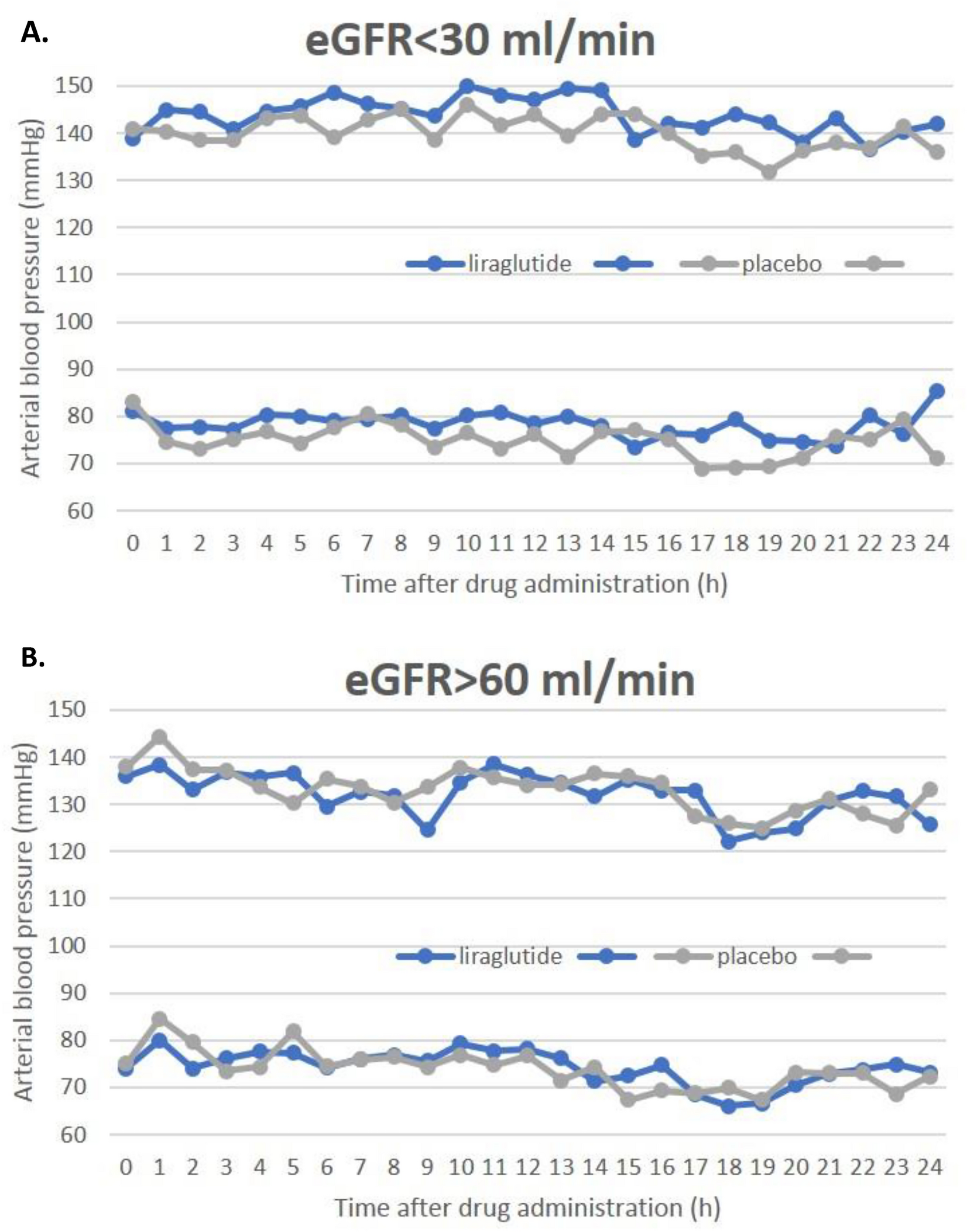
Healthline reported on new research finding that GLP-1 medications were linked to lower blood pressure. The reduction was modest, not dramatic. That distinction matters because hype tends to outrun the actual evidence with these drugs.
Studies of semaglutide and related medications have shown drops in systolic blood pressure that are often measured in just a few millimeters of mercury. That may sound small. It is not nothing.
Think of it like trimming a few seconds off a runner’s lap time. One lap does not change much, but over a long race, those small gains add up. Cardiovascular medicine works like that more often than people realize.
The big point: this is a helpful side benefit, not a reason by itself to start a GLP-1 drug.
Who may benefit most
The people most likely to see a blood pressure benefit are those who have obesity, type 2 diabetes, or both. These conditions tend to cluster with hypertension, sleep apnea, high cholesterol, and increased cardiovascular risk. So one treatment that improves several markers can make a clinician’s job easier.
But there is a catch. If your blood pressure is high because of genetics, kidney disease, or another clear driver, a GLP-1 drug may not move the needle much on its own.
That is why treatment should stay individualized (yes, that old but useful word still applies). Your full risk profile matters more than a headline.
Patients who may want to ask about it
- Adults with obesity and elevated blood pressure
- People with type 2 diabetes and cardiovascular risk factors
- Patients already losing weight who want to understand the broader health effects
- People on multiple medications who are reviewing their long-term treatment plan with a doctor
What this does not mean
Look, this is where coverage can get sloppy. A modest blood pressure benefit does not mean Ozempic or Wegovy should replace proven hypertension drugs such as ACE inhibitors, ARBs, calcium channel blockers, or thiazide diuretics.
It also does not mean everyone will get the same result. Some patients lose substantial weight and see a clear blood pressure drop. Others do not. Bodies are messy like that.
And side effects still matter. GLP-1 drugs can cause nausea, vomiting, diarrhea, constipation, and other gastrointestinal issues. In some people, those effects can limit how long they stay on treatment.
That matters.
Questions worth asking your doctor
If you are already taking a GLP-1 medication, or considering one, ask direct questions instead of chasing broad claims. You want to know how it fits your health picture, not somebody else’s.
- Is my blood pressure likely to improve if I lose weight on this drug?
- Should I monitor my blood pressure more closely after starting treatment?
- Could my current blood pressure medication need adjustment if my numbers fall?
- What side effects should I watch for?
- Does this drug make sense for my heart risk, blood sugar, and weight goals together?
Why doctors care about small blood pressure changes
Most people want a big, obvious payoff. Medicine often works in smaller increments. A few points lower on systolic pressure, a better A1C, and steady weight loss can combine into a much stronger long-term picture.
That is one reason cardiologists and endocrinologists are watching GLP-1 drugs so closely. These medicines seem to affect several connected systems at once. But should we pretend they are magic? Of course not.
The better view is more boring and more useful. GLP-1 drugs may be solid tools for some patients, especially those dealing with obesity, diabetes, and heart risk in the same frame.
Where this is heading
Expect more research on how GLP-1 drugs affect cardiovascular health beyond weight loss alone. That includes blood pressure, heart failure risk, kidney outcomes, and inflammation markers. Drug makers and researchers both know this is the real prize.
For now, the takeaway is simple. GLP-1 drugs and blood pressure appear to be linked in a favorable way, but the effect is modest and should be seen as one part of a larger treatment strategy. If you are considering one of these medications, ask what problem it is actually solving for you. That is still the sharpest question in the room.
Sources
This article was medically reviewed and draws from peer-reviewed research and clinical guidelines published by:
- National Institute on Drug Abuse (NIDA)
- Substance Abuse and Mental Health Services Administration (SAMHSA)
- Centers for Disease Control and Prevention (CDC)
- MedlinePlus — U.S. National Library of Medicine
Content is reviewed for medical accuracy by our editorial team. Last reviewed: May 20, 2026.
Medical Disclaimer: This article is for educational purposes only. It is not a substitute for professional medical advice, diagnosis, or treatment. Always consult a qualified healthcare provider before making changes to your treatment plan. If you are experiencing a medical emergency, call 911 immediately. For substance use support, call SAMHSA at 1-800-662-4357 (free, confidential, 24/7).