
GLP-1 Weight Regain: Meals and Apps May Help
GLP-1 Weight Regain: Meals and Apps May Help
You may stop a GLP-1 drug for cost, side effects, insurance rules, or because you have reached your target weight. Then the harder part starts. GLP-1 weight regain is common after people stop medications such as semaglutide or tirzepatide, and it can feel like your body is pushing back against every change you made. A Healthline report points to a practical idea gaining attention: pairing wellness apps with medically tailored meals may help slow weight gain after GLP-1 treatment ends. That does not mean an app or meal delivery box replaces medical care. It means structure matters. Food planning, tracking, coaching, and regular check-ins can act like guardrails when appetite returns and old habits creep back in. The real question is simple: what support keeps you steady after the prescription stops?
What Stands Out
- GLP-1 weight regain often happens because appetite, food noise, and metabolic signals can return after treatment stops.
- Medically tailored meals may help by reducing decision fatigue and keeping protein, fiber, and calories more predictable.
- Wellness apps can support tracking, reminders, coaching, and early course correction.
- The strongest plan usually combines food structure, movement, sleep, and follow-up with a clinician.
- People should not stop or restart GLP-1 drugs without medical guidance.
Why GLP-1 Weight Regain Happens After Treatment Stops
GLP-1 drugs work by affecting appetite, fullness, gastric emptying, and blood sugar regulation. Once the medication is reduced or stopped, those effects can fade, and hunger may come back with real force.
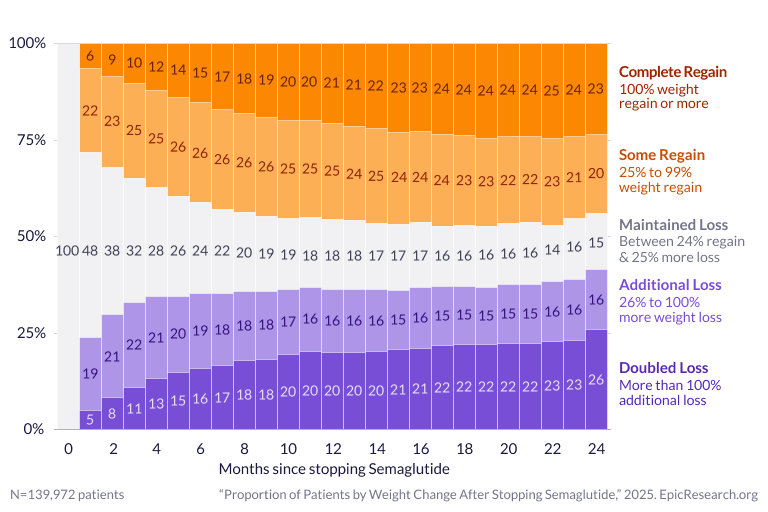
This is not a character flaw. In clinical research, including follow-up data from semaglutide weight management trials, many participants regained weight after stopping treatment. The body tends to defend weight loss through appetite hormones, energy use, and cravings, which is why maintenance often needs its own plan.
The catch is follow-through.
During treatment, many people eat less because the medication makes it easier. After treatment, the same portions, snacks, and late-day hunger can feel different. If you do not have a system, the rebound can sneak up fast.
How Medically Tailored Meals May Slow GLP-1 Weight Regain
Medically tailored meals are planned around health needs, not just calorie counts. They may account for diabetes, high blood pressure, kidney concerns, heart health, food allergies, or weight management goals.
For someone coming off a GLP-1 drug, the value is practical. You get fewer food decisions at the exact moment your appetite may be louder. Think of it like a tennis player returning after an injury. You do not start with a five-set match. You start with drills, timing, and a coach watching your form.
What a useful meal plan should include
- Protein at each meal to support fullness and preserve lean muscle.
- High-fiber foods such as beans, lentils, vegetables, berries, and whole grains.
- Portion consistency so you are not guessing when hunger spikes.
- Lower added sugar to reduce rapid swings in hunger and cravings.
- Meals you will actually eat, because perfect plans fail when they ignore real life.
Meal support does not have to mean expensive delivery forever. Some people use a service for a few months, then shift to batch cooking with the same pattern. Others ask a dietitian to build a rotating menu that matches their schedule and budget.
Weight maintenance after GLP-1s is less about willpower and more about friction. Reduce the friction around good meals, and you improve your odds.
Where Wellness Apps Fit Into GLP-1 Weight Regain Prevention
Wellness apps can help if they do more than count steps and send cheerful nudges. The better ones create feedback loops. You log meals, weight trends, activity, sleep, or hunger, and the app helps you spot problems before they turn into a 15-pound gain.
But here is where I get picky. An app without human support can become a digital guilt machine. If it only tells you that you missed a goal, it is not much help. Look for tools that connect you with a coach, registered dietitian, nurse, or clinician, especially if you have diabetes, binge eating symptoms, or a history of rapid weight cycling.
Features worth using
- Weight trend tracking, with weekly averages instead of daily panic.
- Protein and fiber targets, not only calorie ceilings.
- Meal planning tools that match your food preferences.
- Medication and appointment reminders if you are tapering or switching treatment.
- Coaching access for plateaus, cravings, and relapse prevention.
What about people who hate tracking? Use the lowest-effort version. Take meal photos, track protein only, or weigh yourself once or twice a week. The best system is the one you will still use on a messy Tuesday.
A Practical GLP-1 Weight Regain Plan After Stopping Medication
If your clinician says stopping is appropriate, ask for a maintenance plan before your last dose. Too many people get help starting GLP-1 therapy, then get very little support when they stop.
A solid plan should be boring in the best way. Predictable breakfast. Protein-forward lunch. A dinner that does not depend on heroic restraint. Sleep that is treated as part of appetite control, not a luxury.
Use this checklist before your last dose
- Ask your prescriber what weight change should trigger a follow-up visit.
- Book a dietitian appointment if you have access to one.
- Set a protein target that fits your body size, kidney health, and activity level.
- Plan 2 or 3 default breakfasts and lunches.
- Choose a tracking method before hunger returns.
- Build resistance training into your week to protect muscle.
- Review sleep, alcohol, and stress habits, since each can affect appetite.
For many people, the first 8 to 12 weeks after stopping are the danger zone. Appetite changes may show up before the scale moves much. That is your window to adjust portions, add meal structure, or call your care team.
What Apps and Meal Programs Cannot Fix
Apps and tailored meals can help, but they are not magic. If the medication was treating obesity as a chronic condition, stopping it may remove a therapy your body still needs. Some people may need long-term medication, a lower maintenance dose, or a different treatment plan.
Cost is the ugly part no one should gloss over. GLP-1 drugs can be expensive, and meal programs or coaching may also be out of reach. If money is tight, ask about covered nutrition visits, community diabetes programs, SNAP-eligible healthy meal options, or lower-cost group coaching through clinics.
There is also a mental health angle. If stopping a GLP-1 brings back binge episodes, shame, or obsessive tracking, that calls for specialized help. Weight maintenance should not come at the cost of your peace of mind.
The Smarter Next Step
GLP-1 weight regain is predictable enough that it deserves planning, not panic. If you are coming off treatment, build the landing strip before you land: structured meals, a simple app, resistance training, and a clinician who watches the trend with you.
The next wave of obesity care will not be only about who gets the prescription. It will be about who gets support after the prescription changes. Ask for that support early, because your maintenance plan should start before your final dose.
Sources
This article was medically reviewed and draws from peer-reviewed research and clinical guidelines published by:
- National Institute on Drug Abuse (NIDA)
- Substance Abuse and Mental Health Services Administration (SAMHSA)
- Centers for Disease Control and Prevention (CDC)
- MedlinePlus — U.S. National Library of Medicine
Content is reviewed for medical accuracy by our editorial team. Last reviewed: October 10, 2026.
Medical Disclaimer: This article is for educational purposes only. It is not a substitute for professional medical advice, diagnosis, or treatment. Always consult a qualified healthcare provider before making changes to your treatment plan. If you are experiencing a medical emergency, call 911 immediately. For substance use support, call SAMHSA at 1-800-662-4357 (free, confidential, 24/7).