
Hantavirus Cruise Ship Outbreak Risk Explained
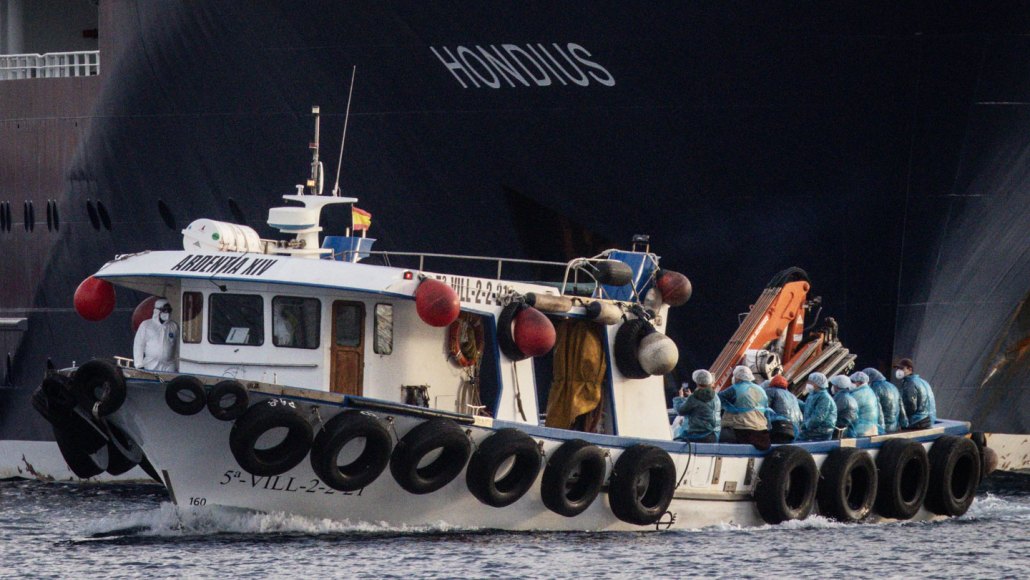
Hantavirus Cruise Ship Outbreak Risk Explained
You have probably seen alarming headlines about a possible hantavirus cruise ship outbreak and wondered if this is the next global health threat. That concern makes sense. Cruise ships pack thousands of people into tight spaces, and recent years trained everyone to take outbreak warnings seriously. But hantavirus does not spread like flu, COVID-19, or norovirus. That difference matters a lot.
Health experts say hantavirus infections usually happen after contact with infected rodent urine, droppings, or saliva, often when contaminated particles get stirred into the air. So the real question is not whether a ship can have a scary headline. It is whether a hantavirus cruise ship outbreak could turn into widespread person-to-person transmission. Right now, the evidence says that is very unlikely. Still, travelers should know what the risk is, what it is not, and what practical steps make sense.
What matters most
- Hantavirus usually spreads from rodents to people, not from casual contact between passengers.
- Pandemic risk appears low because most hantavirus strains linked to severe disease in the Americas do not spread easily from person to person.
- Cruise ship concern centers on sanitation and rodent control, especially in storage, food, and service areas.
- Symptoms can start like the flu, then turn severe fast in some cases, which makes early medical evaluation smart.
What is a hantavirus cruise ship outbreak?
A hantavirus cruise ship outbreak would mean one or more infections linked to exposure on a vessel, likely through infected rodents or contaminated spaces. That could include storage zones, food supply areas, crew quarters, or places where droppings were present and later disturbed. It is a sanitation story before it is a passenger-to-passenger story.
Look, cruise ships are built to control infectious threats, but they are still floating cities. If rodents get access to supplies or hidden mechanical spaces, the risk goes up. Think of it like a restaurant kitchen. One small lapse behind the scenes can create a much bigger public problem out front.
Experts cited by Healthline said hantavirus is not considered likely to cause the next pandemic because it generally does not spread efficiently between people.
How hantavirus spreads, and why that shapes cruise ship risk
Most hantavirus infections happen when people breathe in tiny particles contaminated by rodent waste. You can also get exposed by touching contaminated surfaces and then touching your mouth or nose. Rodent bites can spread it too, though that is less common.
That transmission pattern changes everything.
If an infected passenger boards a ship, that alone does not create the kind of chain reaction people now associate with outbreaks. Why? Because hantavirus is not mainly a respiratory virus in the everyday sense. It does not typically jump from person to person through routine conversation, coughing in shared air, or touching elevator buttons.
There is one caveat. According to public health reporting, rare person-to-person spread has been documented with the Andes virus strain in South America. But that is the exception, not the rule, and it is not the basis for most concerns raised in U.S. travel coverage.
Could a hantavirus cruise ship outbreak cause a pandemic?
Probably not, based on what experts know now.
A pandemic needs efficient, sustained transmission across large groups of people. Hantavirus has never shown that pattern in the way influenza or SARS-CoV-2 has. Severe does not always mean highly contagious. People often mix those up.
Healthline’s reporting points to a sober view from experts. Hantavirus can be dangerous, even deadly, but danger and pandemic potential are separate questions. One speaks to how sick you can get. The other speaks to how easily a virus moves through a population.
Honestly, that distinction should lead every headline.
Why experts are pushing back on the hype
- Transmission is limited. Most cases trace back to rodent exposure.
- Outbreak settings are narrow. The risk depends on sanitation failures, not ordinary travel contact.
- Known patterns do not support fast global spread. That is the big one.
So should you ignore the issue? No. But treating hantavirus like the next airborne mass outbreak is a category error.
Symptoms to watch after possible hantavirus exposure
Early symptoms can look ordinary. Fever, muscle aches, fatigue, headache, nausea, and stomach trouble are common starting points. Later, some patients develop coughing and shortness of breath as the illness worsens.
That is why timing matters. If you were on a ship or in another setting with known rodent exposure and then get sick days or weeks later, tell a clinician exactly where you were and what happened. Specific exposure history helps doctors think beyond common viral illness.
According to major public health guidance, hantavirus pulmonary syndrome can become severe quickly. That makes early evaluation a non-negotiable step if symptoms line up.
How cruise lines can lower hantavirus cruise ship outbreak risk
This is where prevention gets practical. Cruise operators do not need magic. They need disciplined environmental control.
Smart prevention steps
- Inspect food storage and waste handling areas for rodent access points.
- Seal entry gaps in service corridors, supply rooms, and dockside transfer zones.
- Train crew to report droppings, gnaw marks, or damaged packaging fast.
- Use proper cleanup methods that do not stir contaminated dust into the air.
- Coordinate with port facilities, since shipboard control means less if loading areas are a mess.
And yes, cleanup technique matters. Dry sweeping or vacuuming rodent waste can push contaminated particles into the air. Public health agencies generally recommend careful wet cleaning and disinfecting procedures instead.
What travelers should actually do
You do not need to panic-cancel a cruise because of one alarming story. But you should treat any travel health advisory with common sense.
Ask yourself a basic question. Was there actual rodent exposure, or just a scary headline?
If a cruise line reports a sanitation incident, pay attention to where it happened and who was affected. A contained issue in a service area is different from broad unknown exposure. And if you see signs of rodents in cabins or common areas, report them right away.
Practical traveler checklist
- Follow official updates from the cruise line and public health authorities.
- Avoid entering restricted or unsanitary service areas.
- Wash hands before eating and after touching high-contact surfaces.
- Report visible rodent activity or droppings immediately.
- Seek medical care if flu-like symptoms appear after a known exposure.
Why this story still matters
The reason to take a hantavirus cruise ship outbreak seriously is not pandemic fear. It is systems failure. A rodent-linked infection on a ship raises sharp questions about sanitation oversight, supply chain handling, crew safety, and inspection standards.
That is the real story under the headline. Public health scares often expose weak spots long before they produce large case counts (if they ever do). The smart response is targeted prevention, not mass panic.
What to watch next
Keep an eye on verified details, not rumor loops. Watch for updates from cruise operators, local health departments, the CDC, and reporting that names experts and explains transmission clearly. If future cases point back to rodent exposure rather than person-to-person spread, the core risk picture stays the same.
One thing is clear. The better question is not whether hantavirus can generate clicks. It is whether travel companies will treat rodent control as the serious public health job it is.
Sources
This article was medically reviewed and draws from peer-reviewed research and clinical guidelines published by:
- National Institute on Drug Abuse (NIDA)
- Substance Abuse and Mental Health Services Administration (SAMHSA)
- Centers for Disease Control and Prevention (CDC)
- MedlinePlus — U.S. National Library of Medicine
Content is reviewed for medical accuracy by our editorial team. Last reviewed: May 15, 2026.
Medical Disclaimer: This article is for educational purposes only. It is not a substitute for professional medical advice, diagnosis, or treatment. Always consult a qualified healthcare provider before making changes to your treatment plan. If you are experiencing a medical emergency, call 911 immediately. For substance use support, call SAMHSA at 1-800-662-4357 (free, confidential, 24/7).