
Heart Failure Under 65 Is Rising
Heart Failure Under 65 Is Rising
You may think of heart failure as a disease of old age. That view is getting harder to defend. Heart failure under 65 is becoming more common, according to a new report covered by Healthline, and that matters because younger adults often miss the early signs. Shortness of breath, fatigue, swelling, and lower exercise tolerance can look like stress, weight gain, poor sleep, or being out of shape. Delay is costly. Heart failure means the heart cannot pump blood well enough to meet the body’s needs, and it can change work, family life, medical costs, and long-term health. The sharper question now is not whether younger adults can get heart failure. They can. It is whether your health system, your doctor, and you are looking early enough.
What Stands Out
- Heart failure is being reported more often in adults younger than 65.
- High blood pressure, obesity, type 2 diabetes, and coronary artery disease are major drivers.
- Symptoms can be vague, which makes missed or late diagnosis more likely.
- Prevention starts with blood pressure, blood sugar, weight, sleep, and movement.
- Newer medications can help many patients, but early treatment matters.
Why Heart Failure Under 65 Is Getting More Attention
The Healthline report points to a shift clinicians have been watching for years. Heart failure is no longer only a late-life diagnosis. More adults in their 40s, 50s, and early 60s are living with the conditions that damage the heart over time.
Look, this is not a mystery. High blood pressure strains the heart like forcing a pump to work against a clogged hose. Diabetes can damage blood vessels and heart muscle. Obesity raises the workload on the heart and often travels with sleep apnea, inflammation, and metabolic disease.
And then there is the quiet part: prevention is uneven.
Many people do not know their blood pressure numbers. Others know, but treatment stalls. Some cannot afford regular care, medications, healthier food, or time away from work for appointments. The result is a slow build-up of risk that may not announce itself until the stairs feel harder than they should.
Heart failure does not usually arrive out of nowhere. In younger adults, it often follows years of untreated or undertreated risk.
Heart Failure Under 65 Symptoms You Should Not Brush Off
Heart failure symptoms can be slippery. They may come and go. They may worsen slowly. That is why younger adults often explain them away.
Common signs include:
- Shortness of breath during activity or while lying flat
- Unusual fatigue or weakness
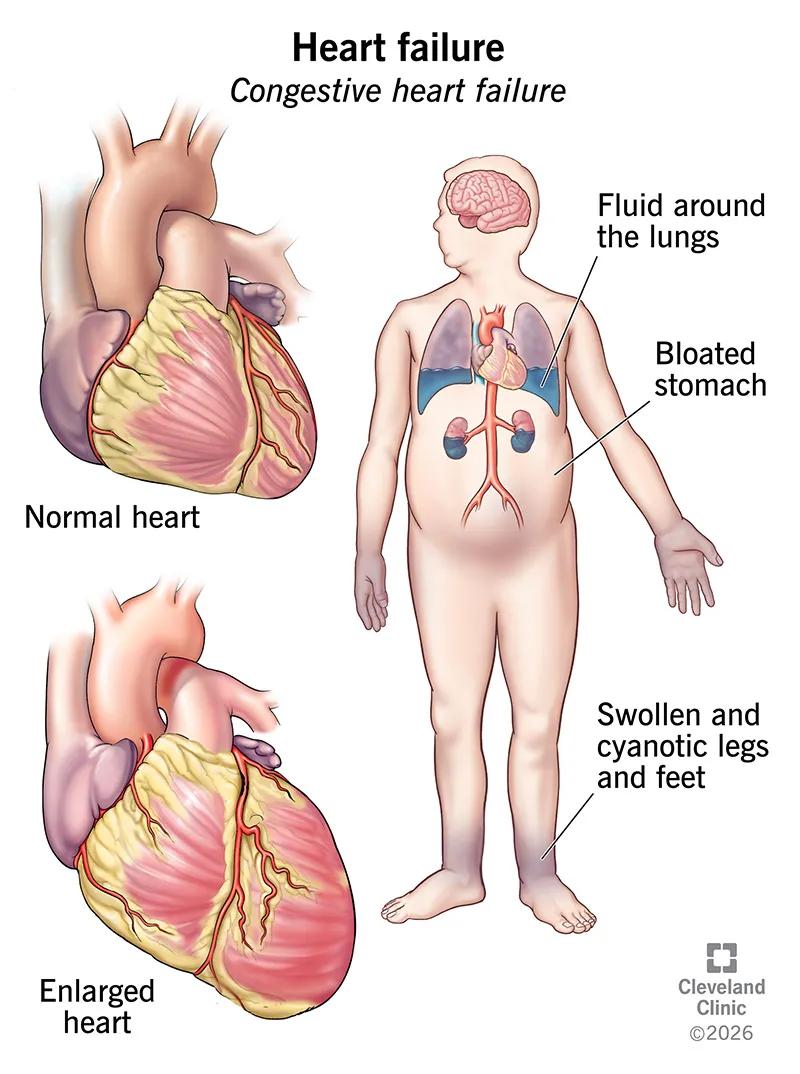
- Swelling in the feet, ankles, legs, or belly
- Rapid weight gain from fluid buildup
- Persistent cough or wheezing
- Fast or irregular heartbeat
- Reduced ability to exercise
- Waking up at night gasping for air
Can these symptoms come from other conditions? Yes. Asthma, anemia, lung disease, thyroid problems, anxiety, medication side effects, and poor sleep can overlap. But that is exactly why evaluation matters. Guessing is a bad strategy.
When to seek urgent care
Get urgent medical help if you have chest pain, severe shortness of breath, fainting, blue lips, confusion, or sudden swelling with trouble breathing. Those symptoms can signal a medical emergency.
What Is Driving Heart Failure Under 65?
The usual suspects are not glamorous, but they are powerful. A younger person’s heart can compensate for a long time, until it cannot.
- High blood pressure: Chronic hypertension thickens and stiffens the heart muscle. Over time, the heart may pump less effectively or fail to relax properly.
- Type 2 diabetes: Diabetes increases the risk of coronary artery disease and can directly affect heart muscle function.
- Obesity: Extra body weight raises blood volume and cardiac workload. It also increases the odds of sleep apnea and insulin resistance.
- Coronary artery disease: Narrowed arteries reduce blood flow. A prior heart attack can leave scar tissue that weakens the heart.
- Sleep apnea: Repeated drops in oxygen and surges in blood pressure at night place stress on the cardiovascular system.
- Alcohol and some drugs: Heavy alcohol use, stimulants, and certain cancer treatments can injure heart muscle.
The Centers for Disease Control and Prevention has reported that about 6.7 million adults in the United States have heart failure. The American Heart Association has also warned that cardiovascular risk factors remain widespread. Those numbers should make younger adults pay attention, not panic.
How Doctors Diagnose Heart Failure Under 65
A solid workup starts with your story. A clinician will ask about symptoms, family history, blood pressure, medications, alcohol or drug use, pregnancy history, cancer treatment, viral illness, and exercise tolerance. The details matter.
Testing may include:
- Blood tests: BNP or NT-proBNP can rise when the heart is under strain. Kidney, thyroid, iron, and blood sugar tests may also help.
- Electrocardiogram: An ECG can show rhythm problems, prior heart attack patterns, or strain.
- Echocardiogram: This ultrasound checks pumping strength, valve function, chamber size, and relaxation.
- Chest imaging: X-ray or other imaging may show fluid, heart enlargement, or lung causes.
- Stress testing or coronary imaging: These tests look for reduced blood flow or artery disease when symptoms suggest it.
Honestly, the echocardiogram is often the turning point. It helps separate “I’m tired all the time” from a measurable heart problem.
Treatment Has Improved, But Timing Is Non-Negotiable
Modern heart failure care is better than it was a decade ago. For many patients with reduced ejection fraction, guideline-directed therapy may include medications such as ARNI drugs, beta blockers, mineralocorticoid receptor antagonists, and SGLT2 inhibitors. Some patients need diuretics to reduce fluid. Others may need devices, procedures, or advanced care from a cardiologist.
That sounds technical, but the practical message is simple: early treatment can reduce symptoms and lower the risk of hospitalization. Waiting until you cannot walk across a room without stopping is the losing play.
Lifestyle changes still count. They are not a substitute for needed medication, but they can support treatment:
- Track blood pressure at home and bring readings to visits.
- Ask for an A1C test if you have diabetes risk factors.
- Limit sodium if your clinician recommends it.
- Build activity slowly, especially after medical clearance.
- Treat sleep apnea if you snore heavily or wake unrefreshed.
- Avoid smoking and discuss alcohol honestly with your doctor.
What You Can Do This Month
If you are under 65, the best move is boring and effective. Know your numbers. Blood pressure, cholesterol, A1C, weight trend, and waist size tell a story long before a crisis does.
Here is a practical plan:
- Check your blood pressure twice a day for one week if you have access to a cuff.
- Book a primary care visit if readings are often 130/80 mm Hg or higher.
- Ask whether your symptoms warrant BNP testing or an echocardiogram.
- Review medications and supplements that may affect blood pressure or fluid retention.
- If you have diabetes, ask whether an SGLT2 inhibitor is appropriate for your heart and kidney risk profile.
Small steps beat vague concern. One appointment can change the arc.
The Next Heart Failure Conversation Should Start Earlier
Heart failure under 65 should push medicine toward earlier screening and faster treatment of risk factors. It should also push patients to stop grading symptoms on a curve. Being younger does not make you immune.
If walking up stairs suddenly feels like a workout you did not sign up for, do not tough it out for months. Write down what changed, check your numbers, and ask your clinician a direct question: could this be my heart?
Sources
This article was medically reviewed and draws from peer-reviewed research and clinical guidelines published by:
- National Institute on Drug Abuse (NIDA)
- Substance Abuse and Mental Health Services Administration (SAMHSA)
- Centers for Disease Control and Prevention (CDC)
- MedlinePlus — U.S. National Library of Medicine
Content is reviewed for medical accuracy by our editorial team. Last reviewed: October 14, 2026.
Medical Disclaimer: This article is for educational purposes only. It is not a substitute for professional medical advice, diagnosis, or treatment. Always consult a qualified healthcare provider before making changes to your treatment plan. If you are experiencing a medical emergency, call 911 immediately. For substance use support, call SAMHSA at 1-800-662-4357 (free, confidential, 24/7).