
Higher Ozempic Dose May Cut Heart Risk
Higher Ozempic Dose May Cut Heart Risk
If you take a GLP-1 drug, the dose question can feel oddly high stakes. You want better blood sugar control, maybe weight loss, and fewer long-term health risks, but you also want to avoid side effects that make daily life miserable. A new report on a higher Ozempic dose adds another wrinkle. The mainKeyword here is higher Ozempic dose, and the issue matters now because doctors are using GLP-1 medications for more than glucose numbers. They are weighing heart risk, kidney health, weight, cost, and tolerability at the same time.
The latest Healthline report points to data suggesting that a higher dose of semaglutide, the active ingredient in Ozempic, may lower the risk of major cardiovascular events in some adults with type 2 diabetes. Mounjaro, which uses tirzepatide, remains a major comparison point because of its strong effects on weight and blood sugar.
What Stands Out
- A higher Ozempic dose may reduce the risk of heart attack, stroke, or cardiovascular death in certain adults with type 2 diabetes.
- Ozempic and Mounjaro work differently, even though both affect gut hormone pathways tied to appetite and insulin.
- More medication is not automatically better. Side effects, insurance coverage, and your heart history matter.
- Patients should not change GLP-1 doses without a prescriber, especially if they have nausea, kidney issues, or low blood sugar risk.
What the Higher Ozempic Dose Data Means
Ozempic is the brand name for semaglutide, a GLP-1 receptor agonist used for type 2 diabetes. It helps the body release insulin when blood sugar rises, slows stomach emptying, and can reduce appetite. That mix explains why the drug affects both A1C and weight.
Healthline reported on findings that a higher dose of Ozempic may be linked with fewer major adverse cardiovascular events. In plain English, that usually means events such as heart attack, stroke, or death from cardiovascular causes. For people with type 2 diabetes, that matters because cardiovascular disease is one of the biggest long-term threats.
Better glucose control is useful. Fewer heart events is the harder, more meaningful target.
Still, this is where hype needs a hard stop. A higher dose does not turn Ozempic into a universal heart shield. The benefit depends on the patient group, baseline risk, and how well someone tolerates the drug.
Higher Ozempic Dose Versus Mounjaro: What Is the Real Difference?
Mounjaro, or tirzepatide, targets both GIP and GLP-1 receptors. Ozempic targets GLP-1. That difference may sound like pharmacology trivia, but it helps explain why tirzepatide often produces larger weight loss in trials than semaglutide at diabetes doses.
But the heart question is separate from the bathroom-scale question.
Doctors do not choose between these drugs based on weight loss alone. They look at A1C, cardiovascular disease history, kidney function, side effects, drug interactions, and coverage. A patient with established heart disease may have different priorities than someone mainly trying to lower A1C after a new diabetes diagnosis.
How the drugs compare in practical terms
- Ozempic: Semaglutide, GLP-1 receptor agonist, strong A1C lowering, weight loss, and cardiovascular outcome data in type 2 diabetes.
- Mounjaro: Tirzepatide, dual GIP and GLP-1 activity, strong A1C and weight effects, with cardiovascular outcome research still closely watched.
- Both: Weekly injections that can cause nausea, vomiting, diarrhea, constipation, and appetite changes.
Think of it like choosing a tennis racket. The most powerful one is not always the best one for your swing. Fit beats bragging rights.
Who Might Benefit From a Higher Ozempic Dose?
The clearest potential fit is an adult with type 2 diabetes who remains above glucose goals and has elevated cardiovascular risk. That could mean prior heart attack, prior stroke, known coronary artery disease, or several risk factors such as high blood pressure, high LDL cholesterol, smoking history, or chronic kidney disease.
But a dose increase is not a casual tweak. If you already struggle with nausea on a lower dose, moving up can backfire. If you take insulin or a sulfonylurea, your clinician may also need to adjust other medications to reduce hypoglycemia risk.
Ask your prescriber direct questions:
- What specific goal are we trying to improve, A1C, weight, heart risk, or all three?
- What side effects should make me call your office?
- Will any of my other diabetes medications need adjustment?
- How long should I stay at this dose before we judge results?
- What will this cost under my insurance plan?
Why Higher Ozempic Dose Does Not Mean DIY Dosing
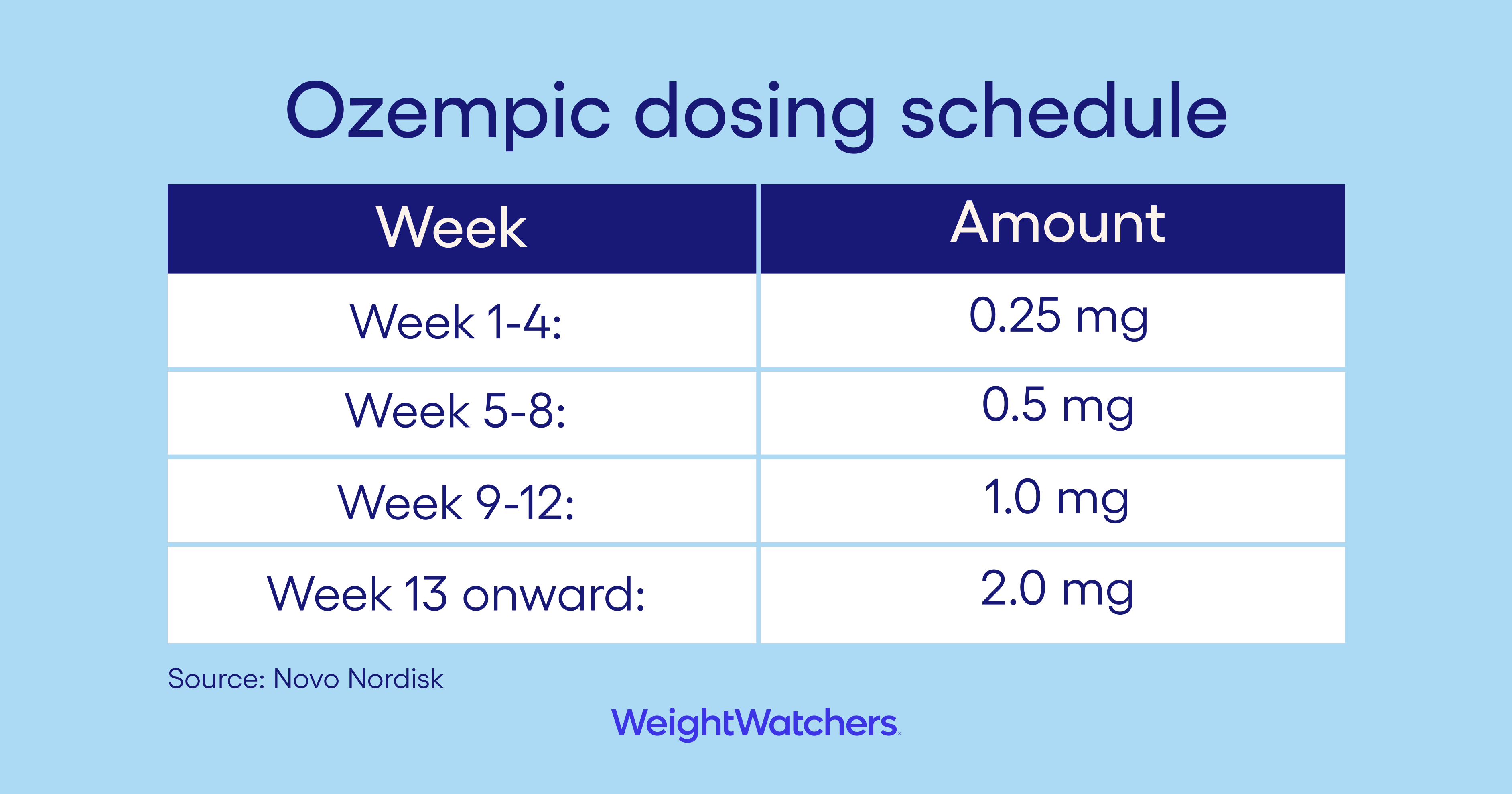
GLP-1 drugs are titrated slowly for a reason. Your gut often needs time to adapt. Jumping too fast can cause vomiting, dehydration, and missed doses, which defeats the point.
Here’s the thing: the best dose is the one you can stay on safely.
A prescriber may hold you at a lower dose longer if side effects show up. They may also pause an increase before surgery, during a gastrointestinal illness, or if kidney function worsens from dehydration. This is routine medicine, not failure.
Side Effects to Watch With a Higher Ozempic Dose
The most common side effects are gastrointestinal. Nausea is the classic one, but constipation can be just as annoying. Some people also report reflux, early fullness, or food aversions.
Call your clinician promptly if you have severe belly pain, repeated vomiting, signs of dehydration, or symptoms of gallbladder disease such as right upper abdominal pain after meals. Rare risks get attention online, but the everyday problems are usually dose tolerance and hydration.
What can help?
- Eat smaller meals, especially during the first weeks after a dose increase.
- Go easy on greasy foods, which can worsen nausea.
- Drink water steadily rather than chugging late in the day.
- Track symptoms for two weeks after each dose change.
- Do not restart at a high dose after a long break unless your clinician tells you to.
How to Talk to Your Doctor About Higher Ozempic Dose
If you are already taking Ozempic, bring numbers. A1C trends, fasting glucose readings, weight changes, blood pressure, LDL cholesterol, and side effects all help your clinician make a better call. Vague updates lead to vague decisions.
And ask the uncomfortable question: What are we giving up by increasing the dose?
Sometimes the tradeoff is mild nausea. Sometimes it is a higher copay. Sometimes it is no real benefit because you are already at goal. Good diabetes care is not about maxing out every medication. It is about matching the treatment to the risk.
What Happens Next for GLP-1 Heart Research?
The next few years will be noisy. Semaglutide, tirzepatide, and related drugs are being studied across diabetes, obesity, heart failure, kidney disease, fatty liver disease, and sleep apnea. Some results will change practice. Others will be less dramatic than headlines suggest.
For now, the practical move is simple. If you take Ozempic or are considering it, ask whether your dose matches your health goals and heart risk profile. The smartest GLP-1 plan is not the loudest one on social media. It is the one your body can tolerate and your clinician can defend with data.
Sources
This article was medically reviewed and draws from peer-reviewed research and clinical guidelines published by:
- National Institute on Drug Abuse (NIDA)
- Substance Abuse and Mental Health Services Administration (SAMHSA)
- Centers for Disease Control and Prevention (CDC)
- MedlinePlus — U.S. National Library of Medicine
Content is reviewed for medical accuracy by our editorial team. Last reviewed: October 6, 2026.
Medical Disclaimer: This article is for educational purposes only. It is not a substitute for professional medical advice, diagnosis, or treatment. Always consult a qualified healthcare provider before making changes to your treatment plan. If you are experiencing a medical emergency, call 911 immediately. For substance use support, call SAMHSA at 1-800-662-4357 (free, confidential, 24/7).