
Insomnia and Stroke Risk: What Poor Sleep May Signal
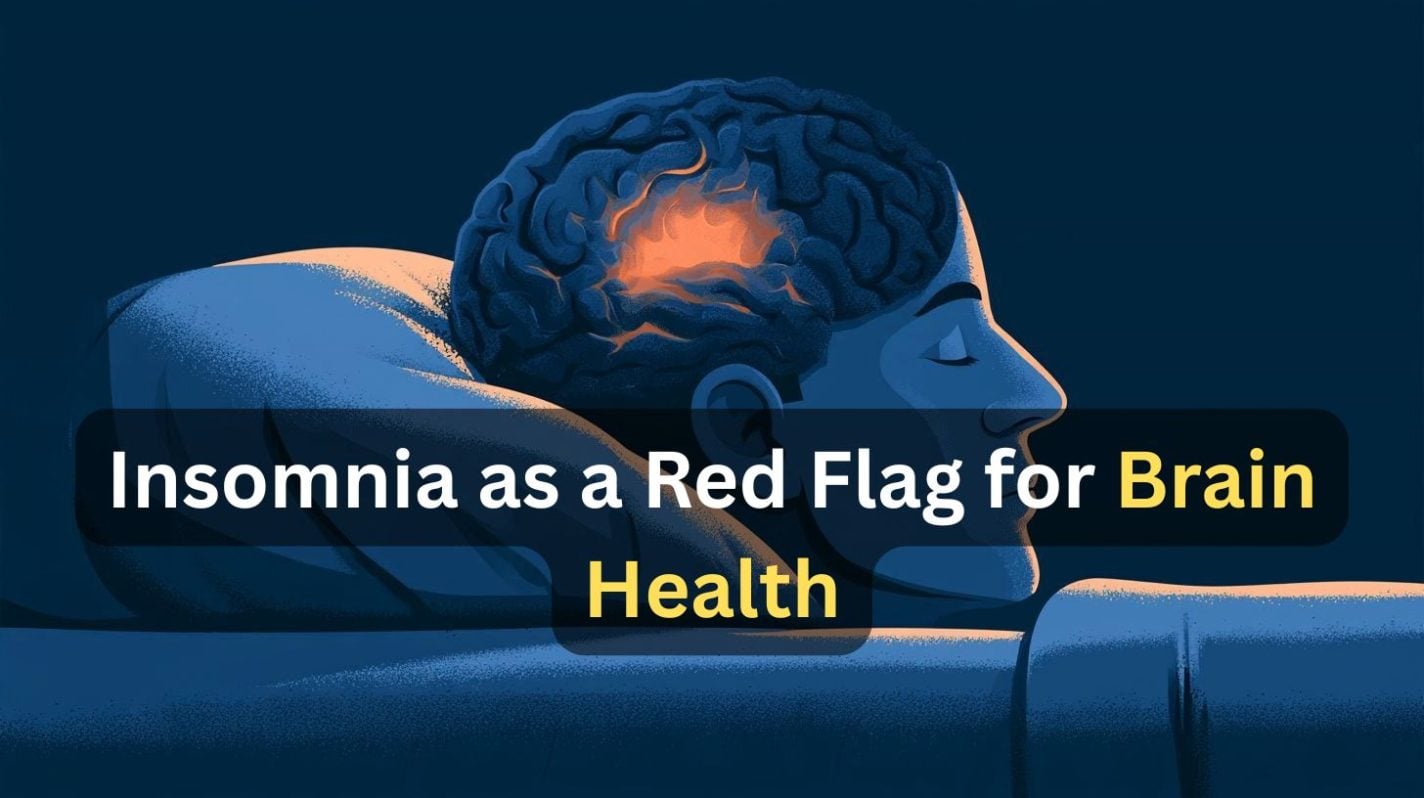
Insomnia and Stroke Risk: What Poor Sleep May Signal
You can push through a few bad nights, but long-term insomnia is different. It affects mood, blood pressure, blood sugar, attention, and possibly your brain’s future health. Recent reporting from Healthline highlights a concern that deserves attention: insomnia and stroke risk may be connected, and poor sleep may also track with higher dementia risk. That does not mean one restless week will harm your brain. It means repeated trouble falling asleep, staying asleep, or waking too early should not be brushed off as normal stress.
Researchers are still sorting out cause and effect. Still, the signal is hard to ignore. Sleep is when your brain regulates waste clearance, blood flow, hormones, and inflammation. If that process keeps getting disrupted, why would the brain get a free pass?
What Stands Out
- Insomnia has been linked in observational research to higher odds of stroke and dementia.
- The risk appears more concerning when insomnia symptoms are frequent or long lasting.
- Sleep problems often travel with high blood pressure, depression, diabetes, and sleep apnea.
- Treating insomnia usually starts with behavior changes, not sleeping pills.
- You should seek medical help if poor sleep lasts more than a few weeks or affects daytime function.
Insomnia and Stroke Risk: What the Research Really Says
Healthline’s report points to a growing body of research connecting insomnia symptoms with vascular and cognitive problems. The key word is connecting. Most studies in this area are observational, so they can show an association, not proof that insomnia directly causes stroke or dementia.
That distinction matters. People with insomnia may also have other risk factors, including hypertension, obesity, diabetes, smoking, chronic pain, anxiety, depression, or untreated sleep apnea. Any of those can raise stroke risk on their own. But after researchers adjust for many of these factors, poor sleep often still shows up as a warning sign.
Persistent insomnia should be treated as a health signal, not a personality flaw or a badge of productivity.
Look, I have covered sleep research long enough to be skeptical of scary headlines. But this one has weight because it fits what neurologists and cardiologists already know. The brain depends on steady blood flow, oxygen, metabolic balance, and repair time. Chronic sleep disruption hits all four.
Why Insomnia and Stroke Risk May Be Linked
Stroke risk rises when blood vessels are damaged, narrowed, blocked, or prone to clotting. Insomnia may feed into that chain through several routes. The effect is not usually one dramatic event. It is more like a roof leak that keeps soaking the beams until the structure weakens.
Blood pressure can stay elevated
Healthy sleep gives your cardiovascular system a nightly dip in blood pressure. With insomnia, that dip may be smaller or missing. Over time, higher nighttime blood pressure can strain arteries that supply the brain.
The American Heart Association includes sleep health in its Life’s Essential 8 framework for cardiovascular health. That was a seismic shift in public messaging. Sleep moved from soft wellness advice to a measurable heart and brain health factor.
Inflammation may increase
Poor sleep is associated with higher inflammatory markers in some studies. Inflammation can affect blood vessels and may contribute to plaque buildup. It can also make existing vascular problems harder to control.
This does not mean every person with insomnia has dangerous inflammation. It means chronic sleeplessness can push the body toward a more stressed state, especially when paired with poor diet, low activity, or alcohol use.
Metabolic health can worsen
Insomnia can make glucose control harder. It can also increase hunger hormones and reduce energy for exercise. That combination can raise the odds of weight gain and type 2 diabetes, both linked with stroke.
And here’s the thing. Many people try to fix exhaustion with caffeine late in the day, skipped workouts, heavy dinners, or alcohol at night. Those short-term fixes often make sleep worse.
Where Dementia Fits Into the Insomnia Picture
Dementia risk is more complicated than stroke risk because it builds over many years. Age, genetics, hearing loss, cardiovascular disease, depression, head injury, education, and social isolation can all play roles. Sleep sits inside that web, not outside it.
During deep sleep, the brain appears to clear waste products more efficiently through the glymphatic system (a drainage-like process researchers continue to study). Poor sleep may interfere with that housekeeping. Some studies have also linked sleep disruption with amyloid and tau changes, proteins associated with Alzheimer’s disease.
Sleep is a brain health issue.
Still, it would be lazy to say insomnia equals dementia. It does not. A more useful takeaway is this: if your sleep has changed, especially in midlife or later life, it deserves attention alongside blood pressure, cholesterol, mood, medications, and alcohol intake.
How to Tell If Your Insomnia Needs Medical Help
Everyone has rough nights. Insomnia becomes more concerning when it repeats and starts shaping your day. If you dread bedtime, clock-watch at 3 a.m., or feel foggy most mornings, your body is giving you data.
Consider talking with a clinician if you have any of these patterns:
- Trouble falling asleep at least three nights a week.
- Waking often or waking too early and not getting back to sleep.
- Daytime sleepiness, irritability, poor focus, or low motivation.
- Loud snoring, gasping, morning headaches, or dry mouth, which may point to sleep apnea.
- Restless legs, chronic pain, hot flashes, anxiety, or depression affecting sleep.
- New insomnia after starting a medication or changing alcohol, cannabis, or caffeine use.
Do not self-diagnose this as simple stress if it keeps going. Sleep apnea is a big one to rule out because it can raise blood pressure and stroke risk, and many people do not know they have it.
What Helps Insomnia Without Making Things Worse
The best-studied first-line treatment for chronic insomnia is cognitive behavioral therapy for insomnia, often called CBT-I. It is not generic sleep hygiene. It is a structured treatment that helps reset sleep timing, reduce anxiety around sleep, and change habits that train the brain to stay alert in bed.
Medication can help some people for short periods, but pills are not a full repair plan. Some sleep drugs can cause next-day grogginess, falls, memory problems, or dependence, especially in older adults. That does not make them bad. It means they need a careful conversation with your doctor.
Start with these practical steps
- Pick a fixed wake time. Keep it steady, including weekends. This anchors your body clock.
- Get morning light. Outdoor light soon after waking helps set circadian rhythm.
- Cut caffeine after lunch. Some people metabolize caffeine slowly, and afternoon coffee can still be active at bedtime.
- Use the bed only for sleep and sex. Train your brain to link bed with sleep, not scrolling, work, or worry.
- Leave the bed if you are wide awake. After about 20 to 30 minutes, do something quiet in dim light until sleepy.
- Keep alcohol honest. It may make you sleepy at first, but it fragments sleep later in the night.
- Ask about CBT-I. Many therapists, sleep clinics, and digital programs offer it.
Think of sleep like cooking rice. Too much heat, too much stirring, and constant lid-lifting ruin the texture. Your brain also needs the right conditions and enough uninterrupted time.
Insomnia and Stroke Risk: What to Track This Week
You do not need a fancy wearable to start. A simple sleep log can give your clinician better information than a vague guess. Track bedtime, wake time, awakenings, naps, caffeine, alcohol, exercise, and how you feel during the day.
Also track blood pressure if you have a home cuff. Morning and evening readings for a week can reveal patterns. If your numbers run high, sleep treatment should sit beside diet, exercise, medication review, and stroke prevention planning.
Ask your clinician these direct questions:
- Could sleep apnea be part of this?
- Do any of my medications affect sleep?
- Should I be screened for anxiety, depression, restless legs, or thyroid problems?
- Is CBT-I available through my health system?
- What are my personal stroke risk factors, and which can I change first?
The Smart Move Now
Insomnia is easy to minimize because it feels common. But common does not mean harmless. If poor sleep has become your normal, treat it like a blood pressure reading that keeps coming back high.
The next step is simple: track your sleep for seven days, check your blood pressure if you can, and bring both to a medical visit. The future of brain health may depend less on miracle treatments and more on whether we stop treating sleep as optional.
Sources
This article was medically reviewed and draws from peer-reviewed research and clinical guidelines published by:
- National Institute on Drug Abuse (NIDA)
- Substance Abuse and Mental Health Services Administration (SAMHSA)
- Centers for Disease Control and Prevention (CDC)
- MedlinePlus — U.S. National Library of Medicine
Content is reviewed for medical accuracy by our editorial team. Last reviewed: October 1, 2026.
Medical Disclaimer: This article is for educational purposes only. It is not a substitute for professional medical advice, diagnosis, or treatment. Always consult a qualified healthcare provider before making changes to your treatment plan. If you are experiencing a medical emergency, call 911 immediately. For substance use support, call SAMHSA at 1-800-662-4357 (free, confidential, 24/7).