
Levothyroxine Recall: What Patients Need to Know
Levothyroxine Recall: What Patients Need to Know
If you take levothyroxine, a nationwide recall can feel like a jolt. Your thyroid medicine is one of those drugs where small changes can matter, and that is why the levothyroxine recall deserves your attention now. The FDA has warned about a specific batch issue affecting some bottles, and patients need to know how to check their medication, what symptoms to watch for, and when to call a pharmacist or doctor.
Look, this is not a reason to panic. But it is a reason to act with care. Thyroid treatment is a tightrope, not a free-for-all. Miss a dose, switch products without guidance, or keep using a questionable bottle, and you can end up with symptoms that make daily life harder fast.
What should you do first, and what can you safely ignore?
What the levothyroxine recall means
The levothyroxine recall involves certain bottles that may not meet quality standards. Levothyroxine is a hormone replacement used for hypothyroidism, so the concern is not cosmetic. It is about dose accuracy and consistency.
FDA recalls happen for many reasons, but thyroid medication gets extra scrutiny because the margin for error is narrow. The American Thyroid Association has long stressed that levothyroxine should be taken carefully and consistently, often at the same time each day and under the same conditions.
Why this matters: even a small shift in dose or absorption can change how you feel, especially if you are sensitive to thyroid hormone changes.
How to check your bottle
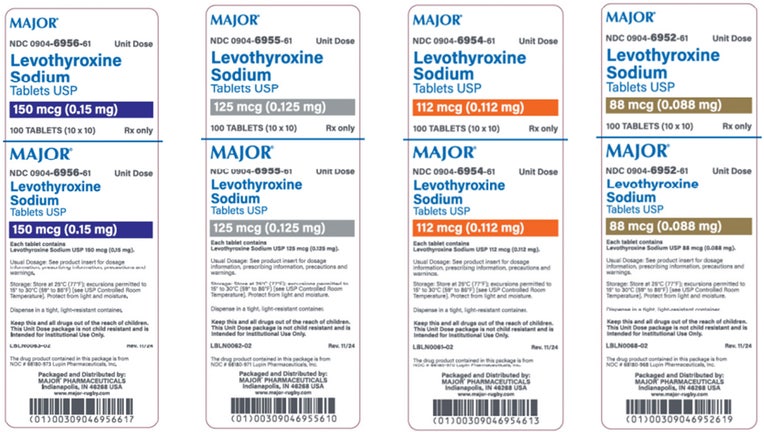
Start with the label. Compare the drug name, strength, lot number, and expiration date against the recall notice from the FDA or your pharmacy. If your bottle matches the recalled lot, stop using that specific supply and contact the pharmacy for replacement instructions.
- Check the prescription label on the bottle.
- Look for the lot number and expiration date.
- Match those details with the recall notice.
- Call your pharmacist before you throw anything away.
- Ask whether you should keep taking a non-recalled backup supply.
Do not guess. A pill bottle is not a game show buzzer. If you are unsure, your pharmacist can usually confirm the product in minutes.
Levothyroxine recall and your symptoms
Thyroid symptoms can creep up slowly, which makes them easy to miss. If your dose is too low, you may feel tired, cold, constipated, foggy, or sluggish. If it is too high, you may notice a racing heart, shakiness, anxiety, trouble sleeping, or sweating.
One single dose mistake may not trigger a dramatic reaction. But repeated problems can. People with heart disease, pregnancy, or severe hypothyroidism should treat any medication disruption as a higher priority.
Call your clinician sooner if you notice
- New fatigue that does not fit your routine
- Fast heartbeat or palpitations
- Unusual weight change
- Cold intolerance or heat intolerance
- Worsening brain fog
What to ask your pharmacist or doctor
Think of this like checking an anchor bolt in a building. If it is loose, you do not keep decorating the room. You fix the base. Same with thyroid medicine.
Ask whether your prescription can be replaced with the same manufacturer, whether a different lot is safe, and whether you need a thyroid blood test after the switch. Many patients are managed with TSH testing, sometimes along with free T4, to see whether levels stayed stable.
- Is my bottle part of the levothyroxine recall?
- Should I keep taking my current tablets until I get a replacement?
- Do I need a new prescription or can the pharmacy swap it?
- Should I schedule follow-up labs?
- What symptoms mean I should call right away?
Why thyroid medication changes hit hard
Levothyroxine works best when your body gets a steady amount over time. That is why doctors often care about brand, generic substitution, timing with food, and other medicines such as calcium, iron, and antacids. These factors can change absorption.
And that is also why a recall is different from a routine refill problem. A thyroid dose is not like grabbing a different box of cereal. The stakes are physiological, and the effect can show up in sleep, mood, heart rate, and energy.
Research and clinical guidance from groups such as the FDA and the American Thyroid Association both support close monitoring when thyroid products change. That does not mean every switch causes trouble. It means you should not brush it off.
What to do next
If your bottle is affected, get a replacement and confirm the plan for follow-up. If it is not affected, keep taking it as prescribed and make a note of the lot number for your records. That small habit can save time later.
Still feeling uneasy about the levothyroxine recall? Good. That caution is useful. Now use it to check your bottle, call your pharmacy, and make sure your thyroid treatment stays steady before the next refill lands on your counter.
Sources
This article was medically reviewed and draws from peer-reviewed research and clinical guidelines published by:
- National Institute on Drug Abuse (NIDA)
- Substance Abuse and Mental Health Services Administration (SAMHSA)
- Centers for Disease Control and Prevention (CDC)
- MedlinePlus — U.S. National Library of Medicine
Content is reviewed for medical accuracy by our editorial team. Last reviewed: July 30, 2026.
Medical Disclaimer: This article is for educational purposes only. It is not a substitute for professional medical advice, diagnosis, or treatment. Always consult a qualified healthcare provider before making changes to your treatment plan. If you are experiencing a medical emergency, call 911 immediately. For substance use support, call SAMHSA at 1-800-662-4357 (free, confidential, 24/7).