
Louisiana Homelessness Court Bill: What It Means
Louisiana Homelessness Court Bill: What It Means
If you follow drug policy, recovery policy, or homelessness policy, you know these issues rarely stay in neat boxes. The Louisiana homelessness court bill is a sharp example. It aims to create a court process for people accused of offenses tied to homelessness, including public camping, with the stated goal of pushing them toward services instead of cycling through jail. That sounds practical on first read. But the real question is harder. Does a court built around punishment and compliance actually help people with addiction, mental health needs, or unstable housing, or does it just rename the same old system?
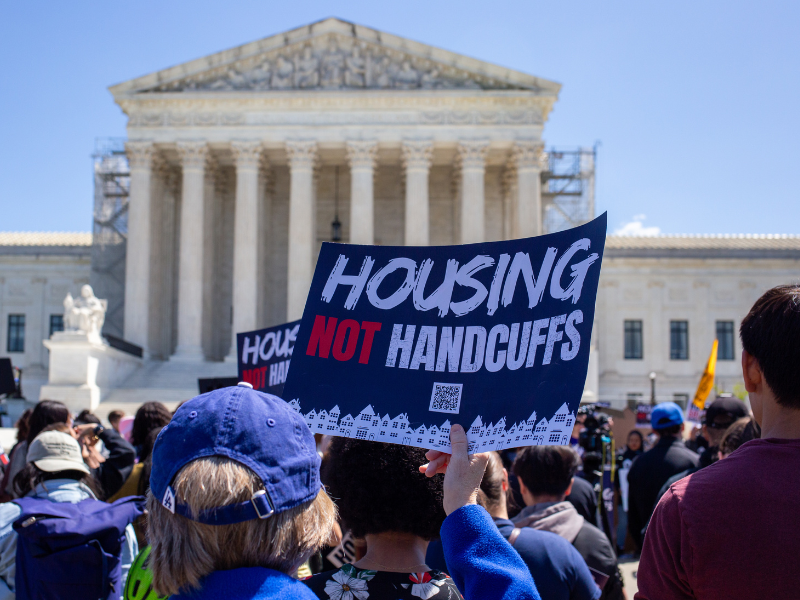
That matters now because states across the country are testing tougher responses to visible poverty after the US Supreme Court’s 2024 Grants Pass ruling on public camping enforcement. Louisiana’s proposal sits right in that shift, and it says a lot about where policy may head next.
What stands out
- The bill would create a specialty court process for people charged with offenses linked to homelessness.
- Supporters frame it as a route to services, treatment, and supervision instead of simple incarceration.
- Critics argue courts are a poor substitute for housing, voluntary care, and basic support.
- The policy lands in a wider national move toward criminal enforcement of homelessness.
What is the Louisiana homelessness court bill?
The Louisiana homelessness court bill would set up a dedicated court track for people accused of certain low-level offenses tied to living outside. Based on reporting from Filter, the proposal is meant to handle cases involving conduct such as unauthorized camping and to connect defendants with service plans ordered or overseen by the court.
Look, specialty courts are not new. Drug courts, mental health courts, and veterans courts have been around for years. Their pitch is familiar too. Use judicial pressure to steer people into treatment or support, then reward compliance and punish failure.
Here is the catch. People without stable housing often miss appointments, lose paperwork, lack transportation, or struggle with untreated illness. A court tends to read those realities as noncompliance.
Why supporters back the Louisiana homelessness court bill
Supporters appear to be selling the bill as a middle path. They can say they are addressing complaints about encampments while also claiming compassion through referral to treatment, housing assistance, or case management.
On paper, that can sound sensible. If someone has substance use disorder, serious mental illness, or both, a judge may seem like a fast way to push action. And for local officials under pressure from businesses and residents, a specialty docket looks more organized than routine arrests.
Supporters often present these courts as help with teeth. Critics hear the teeth first.
That split matters because outcomes depend on what is actually available. If a court orders treatment but there are too few beds, too little supportive housing, or thin outreach capacity, then the order becomes theater. Expensive theater.
Why critics say the Louisiana homelessness court bill could backfire
Critics quoted by Filter argue that homelessness is mainly a housing problem, not a courtroom problem. They also point out that many people targeted by these laws live with addiction or withdrawal risk, which means coercive systems can destabilize them further.
Honestly, that criticism is hard to dismiss. Courts can mandate attendance. They cannot create affordable apartments, rebuild trust, or make a person ready for treatment on command.
And there is another issue. Specialty courts usually come with rules, check-ins, drug testing, deadlines, and sanctions. For some participants, especially people with serious substance use disorder, relapse is part of the clinical picture. But in court, relapse can become a violation. That is like asking a smoke alarm to do a plumber’s job. Wrong tool, wrong room.
Common risks in court-led service models
- Net widening. More people get pulled into supervision who might otherwise face no deep court involvement.
- Criminal records and warrants. Missing hearings can turn poverty and instability into new legal trouble.
- Forced treatment problems. Evidence on coercion is mixed, especially when treatment quality is weak.
- Service shortages. Orders do little when detox, outpatient care, or supportive housing are full.
How this connects to addiction, treatment, and recovery
This is where the story belongs in the Addiction, Treatment, and Recovery categories, not just General news. Many unsheltered people have substance use disorder, but that fact is often used in sloppy ways. It can justify punishment dressed up as care.
What actually helps?
Research across homelessness and addiction care keeps pointing to a few plain ideas: housing first, low-barrier treatment access, harm reduction, and voluntary engagement. The National Alliance to End Homelessness, the Substance Abuse and Mental Health Services Administration, and many public health researchers have long supported versions of these approaches. They are not magic. But they line up better with how people stabilize in real life.
A veteran reporter’s view is simple: if the state truly wants recovery outcomes, start with access people can use on their worst day. That means same-day treatment entry, medications for opioid use disorder, transportation help, outreach workers, and housing options that do not vanish after one missed meeting (or one bad week).
What the Louisiana homelessness court bill says about a bigger trend
Louisiana is hardly alone. After the Supreme Court’s decision in City of Grants Pass v. Johnson, more states and cities have felt freer to enforce anti-camping laws. That legal shift did not create homelessness. It did make tougher responses easier to defend.
So what happens next? You get more proposals that mix public order language with treatment language. Politically, that is a smart package. Policy-wise, it can be a mess.
But here is the blunt part.
If elected officials put more energy into court design than housing supply, they are telling you what problem they really want to solve. Visible disorder, not human need.
Questions to ask about the Louisiana homelessness court bill
If you want to judge the bill on results rather than slogans, focus on a few non-negotiable questions:
- What offenses would qualify, and how broad is the court’s reach?
- Would participation be truly voluntary, or voluntary in name only?
- What treatment and housing slots actually exist today?
- What happens after missed appointments, relapse, or failed program rules?
- Will the state publish outcome data on housing stability, overdose risk, and recidivism?
Those questions are more useful than the sales pitch. A specialty court can look humane in a press release and still function as a pressure valve for an underfunded housing system.
What would help more than another court?
If Louisiana wants a steadier response, there are cleaner options. Expand supportive housing. Fund street outreach. Build low-barrier shelters that do not exclude people for active substance use. Increase access to methadone, buprenorphine, and mental health care. Keep police and courts as a last resort, not the front door.
That approach lacks the courtroom drama lawmakers seem to like. It is also far more likely to reduce harm.
Where this could head next
The Louisiana homelessness court bill may appeal to officials who want something that looks firm and caring at the same time. I have covered enough versions of this idea to be skeptical. Systems built around compulsion tend to promise rescue and deliver paperwork, surveillance, and predictable failure for the people least able to meet rigid rules.
If the state is serious about treatment and recovery, it should prove it with housing, medical care, and low-barrier services first. Otherwise, this bill will raise the same old question with a new label. Are we trying to help people get well, or just move them out of sight?
Sources
This article was medically reviewed and draws from peer-reviewed research and clinical guidelines published by:
- National Institute on Drug Abuse (NIDA)
- Substance Abuse and Mental Health Services Administration (SAMHSA)
- Centers for Disease Control and Prevention (CDC)
- MedlinePlus — U.S. National Library of Medicine
Content is reviewed for medical accuracy by our editorial team. Last reviewed: May 2, 2026.
Medical Disclaimer: This article is for educational purposes only. It is not a substitute for professional medical advice, diagnosis, or treatment. Always consult a qualified healthcare provider before making changes to your treatment plan. If you are experiencing a medical emergency, call 911 immediately. For substance use support, call SAMHSA at 1-800-662-4357 (free, confidential, 24/7).