
Lyme Disease Misdiagnosis: When Lupus Looks Like a Tick-Borne Illness
Lyme Disease Misdiagnosis: When Lupus Looks Like a Tick-Borne Illness
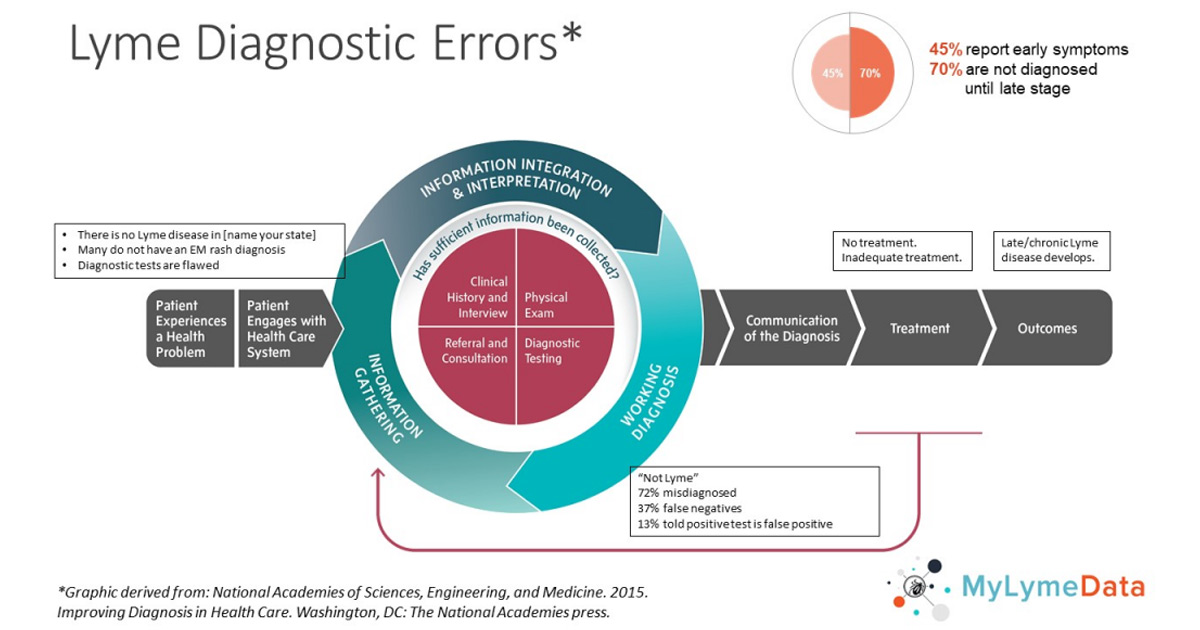
If you have fatigue, joint pain, rashes, or brain fog, getting a fast answer matters. The problem is that these symptoms can point in more than one direction, and Lyme disease misdiagnosis is a real risk when doctors are working through overlapping conditions. A recent Healthline report on a dairy farmer first treated for Lyme disease, then later found to have lupus, shows how messy this can get. That matters now because tick-borne illness gets heavy attention in spring and summer, while autoimmune disease can hide behind the same vague warning signs. So how do you know whether you are dealing with an infection, an autoimmune disorder, or both? You start by looking at the pattern of symptoms, the timing, the test limits, and whether treatment is actually helping.
What this case makes clear
- Lyme disease misdiagnosis can happen because Lyme and lupus share symptoms such as fatigue, joint pain, and rash.
- Blood tests help, but they do not settle every case on their own.
- If symptoms keep getting worse after Lyme treatment, the diagnosis may need a second look.
- Lupus can affect multiple organs, which raises the stakes for getting the right answer early.
Why Lyme disease misdiagnosis happens
Doctors are often sorting through incomplete clues. Early Lyme disease may bring fever, aches, headache, and the well-known bullseye rash, but not everyone gets that classic rash. Lupus can also bring fatigue, joint pain, fever, and skin changes. The overlap is obvious.
Here’s the thing. A diagnosis is a bit like fixing a tractor engine by sound alone. If two parts make a similar noise, replacing the first suspect part may not solve the real fault.
That is where cases go sideways.
According to the Healthline report, the farmer was initially treated for Lyme disease before doctors later identified lupus. That shift did not come from one magic clue. It came from the bigger picture, including symptom progression and specialist evaluation.
Shared symptoms can blur the line between infection and autoimmunity. The right diagnosis often depends on what changes over time, not just what shows up on day one.
Lyme disease vs lupus symptoms
Where they overlap
Both conditions can cause:
- Fatigue
- Joint and muscle pain
- Headaches
- Fever
- Problems with concentration or memory
- Skin rashes
Where the pattern starts to split
Lyme disease is caused by Borrelia bacteria spread by tick bites. In the United States, the CDC tracks it as the most common vector-borne disease. Many cases start with a recent tick exposure, time outdoors, or a rash at the bite site, though those clues are not always present.
Lupus, especially systemic lupus erythematosus, is an autoimmune disease. It can affect the skin, joints, kidneys, heart, lungs, blood cells, and nervous system. That wider organ involvement can be the tell. If someone develops chest pain, kidney issues, mouth sores, sun sensitivity, or abnormal autoimmune labs, lupus moves higher on the list.
And that changes everything.
What tests can and cannot tell you
Lyme testing usually starts with antibody tests. The CDC recommends a two-step process. But timing matters. Test too early, and antibodies may not be detectable yet. A positive result also needs context because it does not answer every clinical question by itself.
Lupus is also diagnosed through a mix of symptoms, physical exam, and lab work. Doctors may look at antinuclear antibodies, anti-dsDNA antibodies, complement levels, urine protein, blood counts, and inflammatory markers. No single test settles every lupus case either.
Honestly, this is the part many patients find maddening. You can have real symptoms and still sit in a gray zone while the evidence builds.
Questions to ask if treatment is not working
If you were told you have Lyme disease but you are not improving, push for a fresh review. That does not mean your first doctor was careless. It means medicine sometimes needs a second pass.
- What findings support Lyme disease, specifically?
- Could this be lupus or another autoimmune condition?
- Do I need repeat testing or a referral to rheumatology or infectious disease?
- Are my symptoms following the usual course for treated Lyme disease?
- Do I have signs of organ involvement that need urgent workup?
A good clinician should be able to walk you through the logic. If they cannot, that is useful information too.
What this means for patients with chronic, vague symptoms
Many people with fatigue and pain worry that they are being brushed off. Sometimes they are. But sometimes the harder truth is that several conditions can look alike at the start, and medicine has to separate them step by step.
If your symptoms are spreading across body systems, keep a tight record. Track fevers, rashes, sun sensitivity, swelling, chest pain, shortness of breath, urinary changes, and neurological symptoms. Bring photos of rashes if they fade before appointments. Small details can shift the diagnosis.
Look, symptom overlap does not excuse lazy thinking. It does mean you should expect some revision as new evidence comes in.
What doctors are watching for in a Lyme disease misdiagnosis
Clinicians usually rethink the diagnosis when one or more of these show up:
- Symptoms continue despite appropriate Lyme treatment
- New symptoms suggest immune system involvement
- Lab results point away from infection and toward autoimmunity
- Kidney, heart, lung, or blood abnormalities appear
- The full timeline does not fit a tick-borne illness
This is where specialist care earns its keep. Rheumatologists and infectious disease experts see these gray-zone cases more often, and pattern recognition matters.
What to do next if this sounds familiar
If your diagnosis feels unsettled, ask for the exact reasoning behind it. Ask what else is on the differential diagnosis. Then ask what evidence would make your care team change course.
You do not need to be confrontational. You do need to be clear.
The broader lesson from this farmer’s case is simple. A label is only useful if it explains the whole picture and leads to treatment that works. If it does neither, the smart move is to keep digging. How many patients are still being treated for the wrong thing because the first answer sounded close enough?
Sources
This article was medically reviewed and draws from peer-reviewed research and clinical guidelines published by:
- National Institute on Drug Abuse (NIDA)
- Substance Abuse and Mental Health Services Administration (SAMHSA)
- Centers for Disease Control and Prevention (CDC)
- MedlinePlus — U.S. National Library of Medicine
Content is reviewed for medical accuracy by our editorial team. Last reviewed: May 26, 2026.
Medical Disclaimer: This article is for educational purposes only. It is not a substitute for professional medical advice, diagnosis, or treatment. Always consult a qualified healthcare provider before making changes to your treatment plan. If you are experiencing a medical emergency, call 911 immediately. For substance use support, call SAMHSA at 1-800-662-4357 (free, confidential, 24/7).