
Mayim Bialik and GLP-1 Side Effects
Mayim Bialik and GLP-1 Side Effects
People hear the success stories first. Weight loss, lower appetite, better lab numbers. But the other side of the GLP-1 side effects conversation can hit fast, and it can be ugly. That matters now because drugs like semaglutide and tirzepatide are everywhere, and many people start them with little sense of how hard the first few weeks can be. Mayim Bialik’s account is one more reminder that these medicines can help, but they can also knock you flat if your body does not tolerate them well. Should you treat that as a rare exception, or as a warning to ask better questions before you begin?
What stands out about GLP-1 side effects
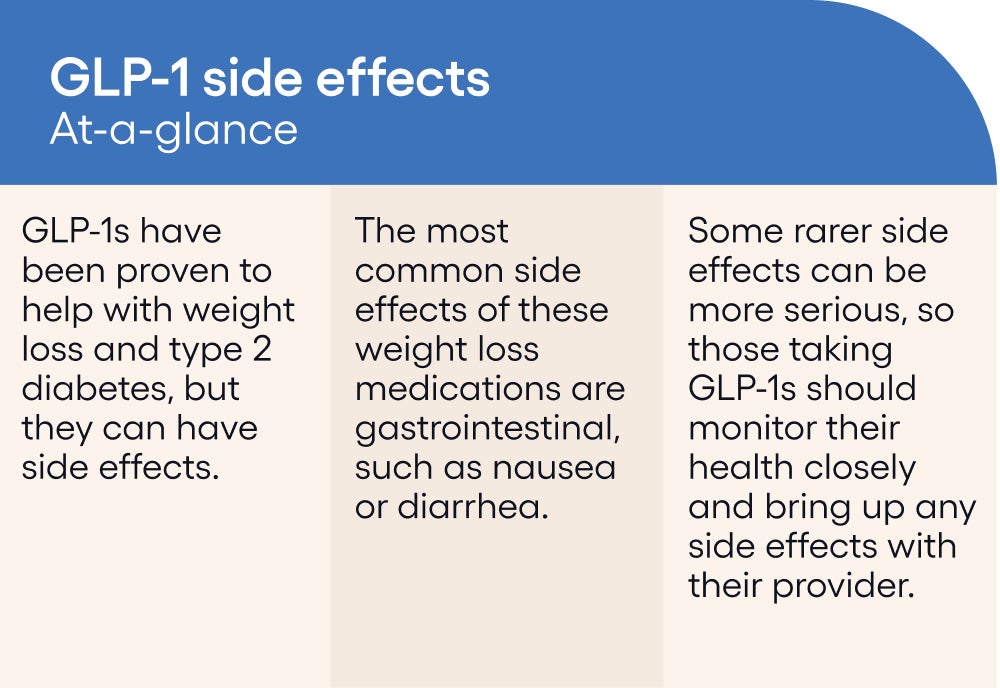
- Nausea is common, and it can be intense enough to disrupt daily life.
- Vomiting, constipation, and diarrhea are among the most reported complaints.
- Some people also report fatigue, dizziness, and food aversion.
- Symptoms often show up during dose increases, not only at the start.
- The same drug can feel manageable for one person and miserable for another.
What people mean when they talk about GLP-1 side effects
GLP-1 drugs mimic a natural gut hormone that helps regulate appetite and blood sugar. That effect is useful, but it also changes how your stomach empties and how full you feel. The result can be a rough adjustment period, especially if your dose rises too quickly.
Look, this is not a moral test. It is pharmacology. If a drug slows digestion and changes hunger signals, your body may complain before it cooperates.
“A drug can be effective and still be a bad fit for your body.”
That is the core point people miss. A medication does not need to be dangerous to be intolerable.
How do GLP-1 side effects show up in real life?
For some people, the early weeks feel like a stomach flu that will not leave. For others, the issue is less dramatic but still disruptive. They feel full after a few bites, skip meals, and then crash later in the day. That pattern can make work, travel, and family routines harder to manage.
Mayim Bialik’s experience got attention because it sounded severe, and severe stories stick. But the broader lesson is simpler. These drugs are not one-size-fits-all, and they should not be treated that way.
Common patterns to watch
- Symptoms begin after the first dose or after a dose increase.
- Eating too much, too fast, makes nausea worse.
- Dehydration can make fatigue and dizziness more obvious.
- Constipation may build quietly before it becomes a bigger problem.
Think of dose changes like tuning a guitar. Turn the peg too fast and the string snaps out of tune. Move slowly and you have a better chance of landing on something usable.
Why some people have a much rougher time
There is no single reason. Body size, dose timing, meal habits, other medications, and existing digestive issues can all shape how you react. The FDA labels for semaglutide and tirzepatide list gastrointestinal side effects as common, which tracks with what clinicians see every day.
And this is where the hype gets sloppy. Social media often sells GLP-1 drugs as a simple before-and-after story. Real bodies do not work that neatly.
How to reduce the odds of a bad start
You cannot control everything, but you can stack the odds in your favor. The smartest move is to go in with a real plan, not just a prescription.
- Eat smaller meals, especially during dose changes.
- Stop when you feel full. Do not force a clean plate.
- Drink water through the day, not all at once.
- Track symptoms so you can spot a dose pattern.
- Tell your prescriber early if nausea or vomiting is persistent.
Ask what to do if the side effects are strong. Ask when to hold a dose or slow the titration. Ask what your clinician wants you to do if you cannot keep fluids down. Those are not annoying questions. They are the questions that keep a bad week from becoming a dangerous one.
What should you take from Mayim Bialik’s story?
Not fear. Not dismissal either. The useful takeaway is that celebrity anecdotes often reveal what package inserts say in plain language, just with more emotion attached. If a well-known person describes a terrible experience, that does not prove the drug is unsafe for everyone. It does prove that tolerance varies, sometimes sharply.
If you are thinking about a GLP-1, the real decision is not “Should I be scared?” It is “Do I know how this drug could hit me, and do I have a plan if it does?” That is a much better standard.
A better way to think about GLP-1 side effects
Before you start, ask for specifics about starting dose, titration speed, expected side effects, and what your clinic considers a stop signal. Keep the focus on your body, your schedule, and your tolerance. If the first plan fails, the next step may be a lower dose, a slower ramp, or a different treatment entirely.
That is where the real work is. Not in the headline. In the follow-through.
Sources
This article was medically reviewed and draws from peer-reviewed research and clinical guidelines published by:
- National Institute on Drug Abuse (NIDA)
- Substance Abuse and Mental Health Services Administration (SAMHSA)
- Centers for Disease Control and Prevention (CDC)
- MedlinePlus — U.S. National Library of Medicine
Content is reviewed for medical accuracy by our editorial team. Last reviewed: June 18, 2026.
Medical Disclaimer: This article is for educational purposes only. It is not a substitute for professional medical advice, diagnosis, or treatment. Always consult a qualified healthcare provider before making changes to your treatment plan. If you are experiencing a medical emergency, call 911 immediately. For substance use support, call SAMHSA at 1-800-662-4357 (free, confidential, 24/7).