
Medetomidine Drug Alert: What Every Street-Use Watcher Needs to Know
Medetomidine Drug Alert: What Every Street-Use Watcher Needs to Know
You have likely heard a new name in overdose reports: medetomidine drug alert. The veterinary sedative is showing up in street supply alongside fentanyl, worsening sedation and making rescues harder. That matters right now because people are losing consciousness faster, oxygen drops sooner, and usual responses sometimes miss the mark. Narcan still works on opioids, but medetomidine is not an opioid, so responders need to watch breathing and use extra ventilation. Why wait to learn this after someone collapses? Better to understand the signal, the risks, and what you can do.
Fast Facts You Need Now
- Medetomidine is a veterinary alpha-2 agonist sedative, not an opioid, so naloxone only fixes the opioid part of a mix.
- Recent alerts in Philadelphia and Canada link it to prolonged sedation and bradycardia in street drug samples.
- Mixing medetomidine with fentanyl or xylazine can suppress breathing longer and complicate overdose response.
- Rescue plans should add continuous breathing checks and consider rescue breathing alongside naloxone.
- Drug checking and clear communication about unexpected sedation are key harm reduction moves.
What Is Behind the Medetomidine Drug Alert?
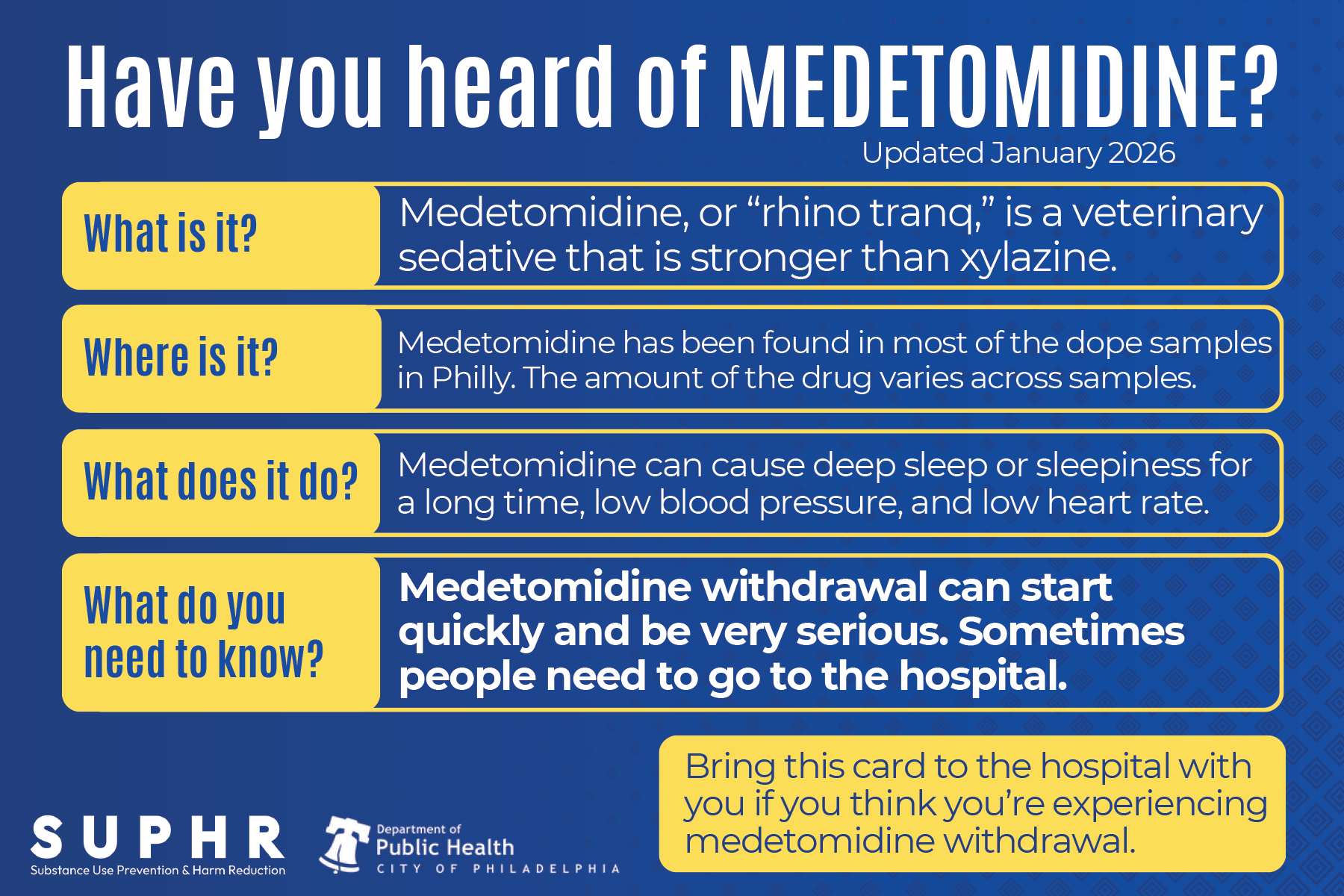
Medetomidine is sold legally for animal sedation, similar to xylazine. In human use, it causes deep drowsiness, slow heart rate, and low blood pressure. Street samples now show it mixed with fentanyl and xylazine, which stacks sedation. Think of it like a basketball team playing with extra defenders; every new sedative on the court makes it harder for oxygen to get past.
One sentence stands alone to make the point.
Labs in Pennsylvania and British Columbia reported medetomidine in seized powders and counterfeit pills, prompting health alerts. Because it is not scheduled in many places, it can enter supply chains with little friction. That legal gap lets it move quietly until overdose patterns spike.
How Medetomidine Changes Overdose Risk
The main danger is respiratory depression paired with long sedation. Fentanyl can stop breathing quickly. Medetomidine keeps someone sedated even after naloxone reverses the opioid effect. That means the person may still slump, have a slow pulse, and risk low oxygen. And what happens if bystanders assume naloxone “failed” when it actually cleared the opioid but the sedative remains?
Harm reduction workers report people staying groggy and slow for hours after naloxone, especially when medetomidine or xylazine is present.
Unlike benzodiazepines, there is no widely available reversal for medetomidine on the street. Clinical settings use atipamezole, but that is not in community kits. So responders must rely on airway support and patience. It mirrors a cooking analogy: if you burn a sauce and then add more spices, you need more time and stirring, not just a single fix.
Responding to Overdoses Involving Medetomidine
- Give naloxone fast. Treat the opioid piece first. Use multiple doses if needed because fentanyl potency varies.
- Check breathing every 15 seconds. Look, listen, feel. Start rescue breathing if breaths are shallow or absent.
- Position for airway. Use recovery position when spontaneous breathing returns to keep the tongue clear.
- Expect prolonged sedation. Stay with the person until they are alert enough to protect their airway, even if naloxone worked.
- Call EMS when possible. Medetomidine can drop blood pressure. Paramedics can give oxygen and monitor heart rhythm.
Carrying a barrier mask and knowing how to do rescue breaths are now non-negotiable skills. Extra naloxone kits help cover repeat opioid dosing, while rescue breaths cover the sedative tail.
Harm Reduction Moves for People Who Use Drugs
Street supply is volatile, so proactive steps matter. Try smaller test doses and avoid using alone. If a sample feels heavier or more sedating than usual, consider drug checking services. Some community sites can identify alpha-2 agonists or at least flag unknown sedatives.
Set up a buddy system or use an overdose prevention hotline if you must use alone. And keep fluids and warmth ready because prolonged sedation can lower body temperature. Does that sound excessive? Maybe, but the current mix deserves caution.
Medetomidine Drug Alert: What Clinicians and Programs Should Do
Clinics should update protocols to flag medetomidine in toxicology screens. Staff training must cover its signs: bradycardia, hypotension, heavy sedation. Emergency departments can consider atipamezole where available, though evidence in street overdose contexts is limited. Harm reduction programs can add simple cue cards: breathing checks, rescue breaths, recovery position, and expectations about lingering sedation.
Data sharing between public health labs and outreach teams shortens the lag between detection and community knowledge. That feedback loop saved lives during the xylazine surge, and it will help here too.
Pro Tips to Share with Clients
- Carry two naloxone kits and a barrier mask.
- Plan for longer monitoring after revival.
- Use trusted supply chains where possible, and tap drug checking services.
- Tell responders exactly what was used if known. More detail speeds better care.
- Watch for slow pulse and cool skin; add blankets while waiting for EMS.
Author perspective: After years covering synthetic additives, the pattern is familiar. A sedative enters quietly, early warnings sound local, and then national data catches up months later. We cannot wait for perfect data to change practice.
What to Watch Next on the Medetomidine Drug Alert
Expect more jurisdictions to test for medetomidine as awareness grows. Community groups will likely push for wider access to atipamezole or alternative airway support tools. The key question is whether public health will fund training for rescue breathing at scale. Will cities invest before another spike hits?
If you work in outreach, add medetomidine talking points to your next kit handoff. If you use drugs, make a plan with friends today. Better gear and better habits mean fewer tragedies tomorrow.
Looking Ahead
Street supply will keep shifting. Staying alive means adjusting faster than the adulterants do.
Sources
This article was medically reviewed and draws from peer-reviewed research and clinical guidelines published by:
- National Institute on Drug Abuse (NIDA)
- Substance Abuse and Mental Health Services Administration (SAMHSA)
- Centers for Disease Control and Prevention (CDC)
- MedlinePlus — U.S. National Library of Medicine
Content is reviewed for medical accuracy by our editorial team. Last reviewed: April 8, 2026.
Medical Disclaimer: This article is for educational purposes only. It is not a substitute for professional medical advice, diagnosis, or treatment. Always consult a qualified healthcare provider before making changes to your treatment plan. If you are experiencing a medical emergency, call 911 immediately. For substance use support, call SAMHSA at 1-800-662-4357 (free, confidential, 24/7).